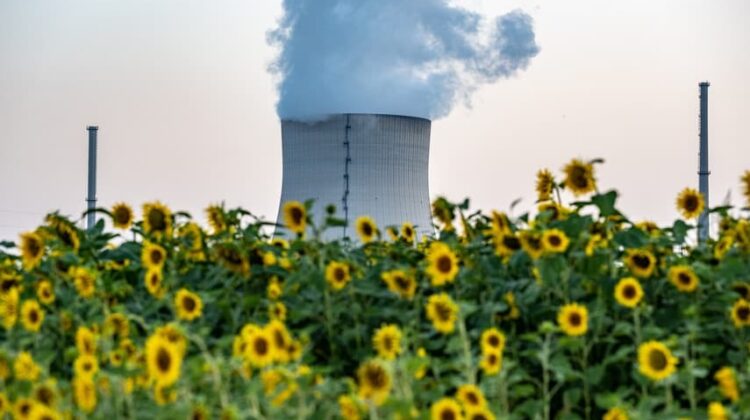
Sunflowers have emerged as remarkable allies in the aftermath of nuclear disasters, showcasing their extraordinary ability to clean up contaminated soil. These plants, known as hyperaccumulators, possess the unique capability of absorbing toxic heavy metals from the ground, making them instrumental in soil restoration efforts. Both Chernobyl and Fukushima, the sites of devastating nuclear incidents, witnessed the planting of sunflower fields as part of a remediation strategy to absorb radiation and subsequently dispose of the harvested plants safely.
The sunflower’s remarkable environmental healing properties have sparked the interest of Catie Kitrinos, a rising fourth-year undergraduate researcher at U.Va. Catie, a biology and anthropology major hailing from Springfield, has been awarded the Harrison Undergraduate Research Award to delve into the genetic variation of sunflowers. Her goal is to map the plant’s ability to absorb heavy metals across its genome, a project with immense significance and potential for advancing our understanding of the best utilization of sunflowers in environmental cleanup.

Sunflowers, also referred to as “phytoremediators,” are not the only plants capable of remediation, but their effectiveness stands out due to their large size. To achieve her research objectives, Catie will participate in planting nearly 1,700 sunflowers and testing between 250 to 280 genotypes over the next year. This comprehensive genetic mapping will cover 85 to 90 percent of the sunflower genome, providing valuable insights into identifying the most suitable sunflower breed for environmental cleanup efforts.
In her experiments, Catie is currently assessing sunflower absorption of zinc and eventually copper, common elements found in fertilizers, pollution, and runoff. Assistant Professor of Biology Benjamin Blackman is her faculty mentor for this project, and he highlights that sunflowers’ hyperaccumulating ability allows them to take up large quantities of metals from the soil. Phytoremediation, the process in which plants like sunflowers absorb and store contaminants, offers a less invasive and cost-effective approach to cleaning soil compared to traditional methods like excavation.
Notably, the sunflower varieties that resist absorbing metals are equally crucial, especially concerning consumers. Sunflowers are extensively used in agribusiness for products like sunflower oil, seeds, and skincare items. Identifying genotypes that can easily absorb toxins while remaining resistant to heavy metals in the soil, including possible salt deposits, is vital in ensuring healthier plants for sale.
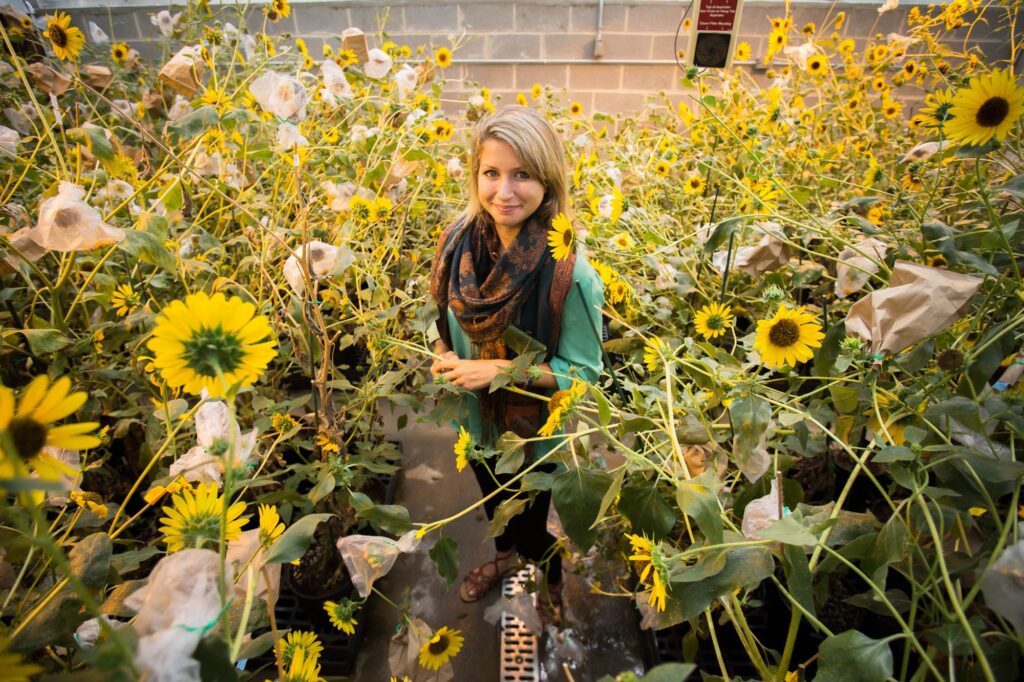
Currently, Catie and her team manage a diverse collection of sunflowers in the biology department’s greenhouse. Their experiment involves infusing the soil with varying levels of zinc, allowing the plants to grow for four weeks, and then subjecting them to testing in the lab. Catie uses a photospectrometer to quantify the amount of metal absorbed by the plant and assesses the allocation of metals within different plant parts, such as the root, stem, or leaf. Understanding the distribution of metals in the plant is essential in determining the best genotype for farming purposes, as some allocations may hinder photosynthesis and growth.
Supported by the Harrison grant and the Miller Agricultural Fund, Catie’s research has been adequately funded, covering essential supplies like zinc sulfate, soil, and photospectrometer materials, as well as her living expenses. She acknowledges the invaluable lab experience this opportunity has provided, expressing gratitude for the grant and recognizing that any lab experience, regardless of direct relevance to future goals, is incredibly beneficial for personal and professional growth. Catie plans to collaborate with Blackman and other postdoctoral researchers involved in the project to turn her findings into a published paper.
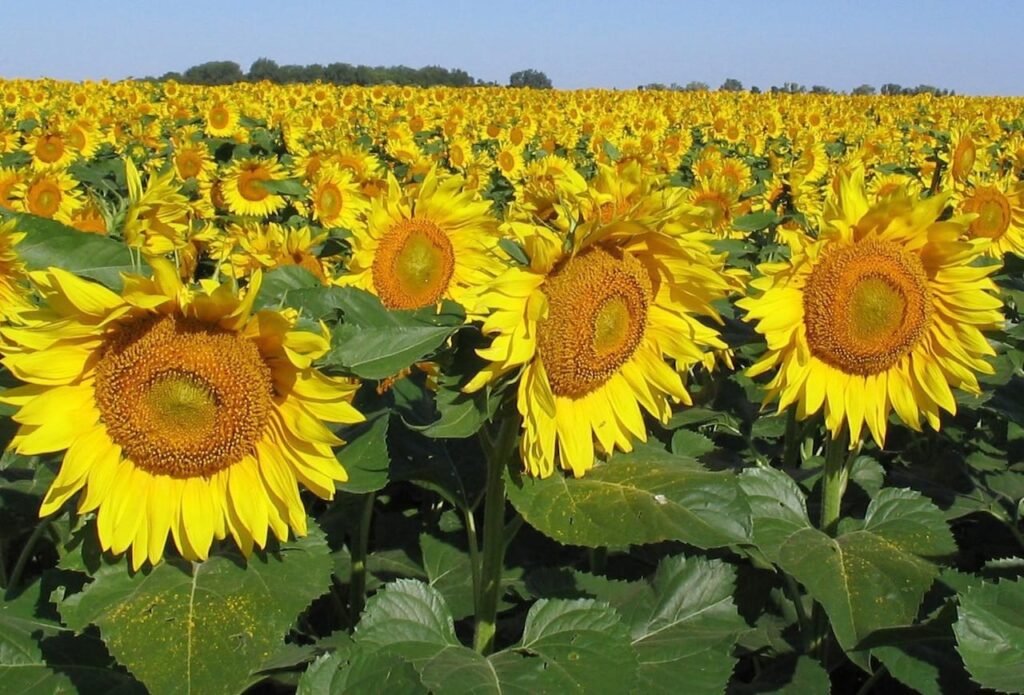
Sunflowers’ power to clean up soil continues to captivate researchers like Catie Kitrinos, and their role as natural agents of environmental remediation holds immense promise for creating a healthier and more sustainable future. As these golden blooms sway with resilience and beauty, their contribution to healing the Earth’s scars from nuclear disasters remains a testament to the wonder plant’s potential and impact.
Leave a Reply