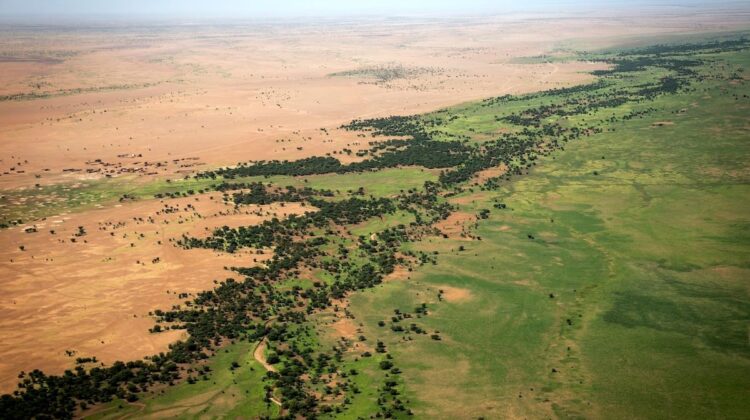
More than 20 African countries have joined an initiative with a genuinely striking goal: planting a belt of trees and restored land stretching coast to coast across the width of the continent, along the southern edge of the Sahara. It’s called the Great Green Wall, and it was designed to fight desertification while restoring livelihoods for millions of people in the Sahel. Nearly two decades in, the project’s actual progress tells a far more complicated story than its original pitch.
The Original Vision
Launched by the African Union in 2007, the Great Green Wall was conceived as more than a tree-planting campaign. The goal was to restore 100 million hectares of degraded land, sequester 250 million tons of carbon, and create 10 million jobs across 11 core Sahel countries by 2030 — an initiative meant to fight both climate change and rural poverty simultaneously, rather than treating environmental restoration and community livelihoods as separate goals.
What the Money Actually Looks Like
The Great Green Wall has attracted major international financial backing. More than $20 billion has been pledged over the years, including $4 billion committed at the 2015 Paris climate conference and $14.3 billion pledged at the 2021 One Planet Summit. According to reporting from NPR, by 2023, 80% of that 2021 pledge had been “programmed” — meaning allocated to specific projects on paper — but only about 13% had actually been disbursed to the ground.
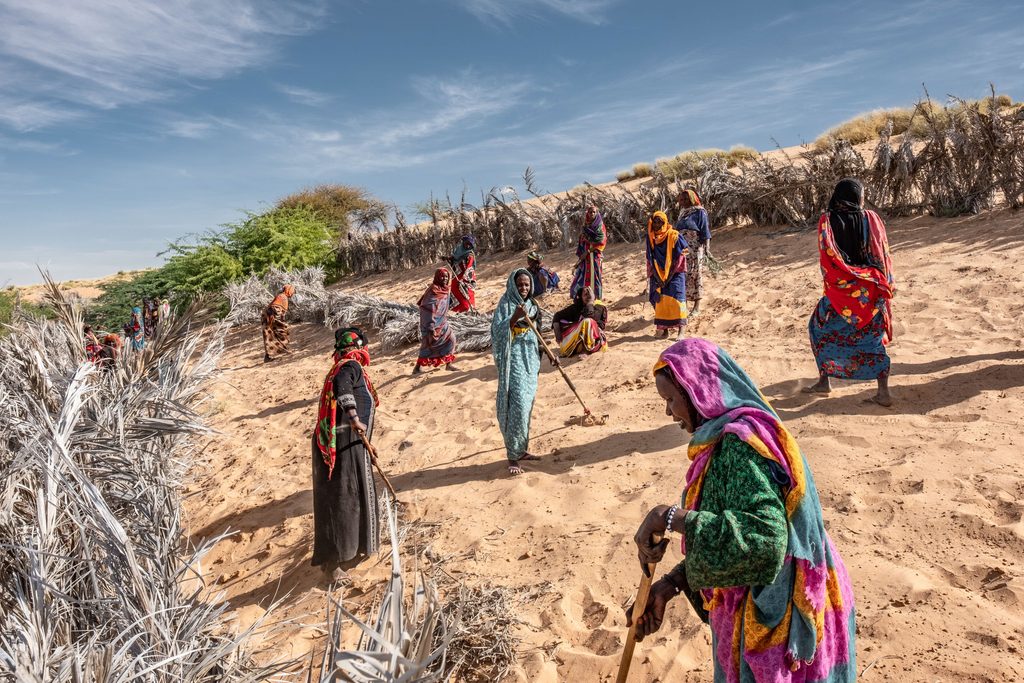
An earlier funding assessment found Great Green Wall countries reported receiving a combined total of just $149 million between 2011 and 2019, a small fraction of what had been publicly pledged over that period. Much of the disbursement gap comes down to bureaucratic friction: funding from major backers like the World Bank, the Global Environment Facility, and the African Development Bank must pass through lengthy project approval processes, and not every country has a designated agency set up to efficiently receive and distribute the funds once they arrive.
What Satellite Data Actually Shows
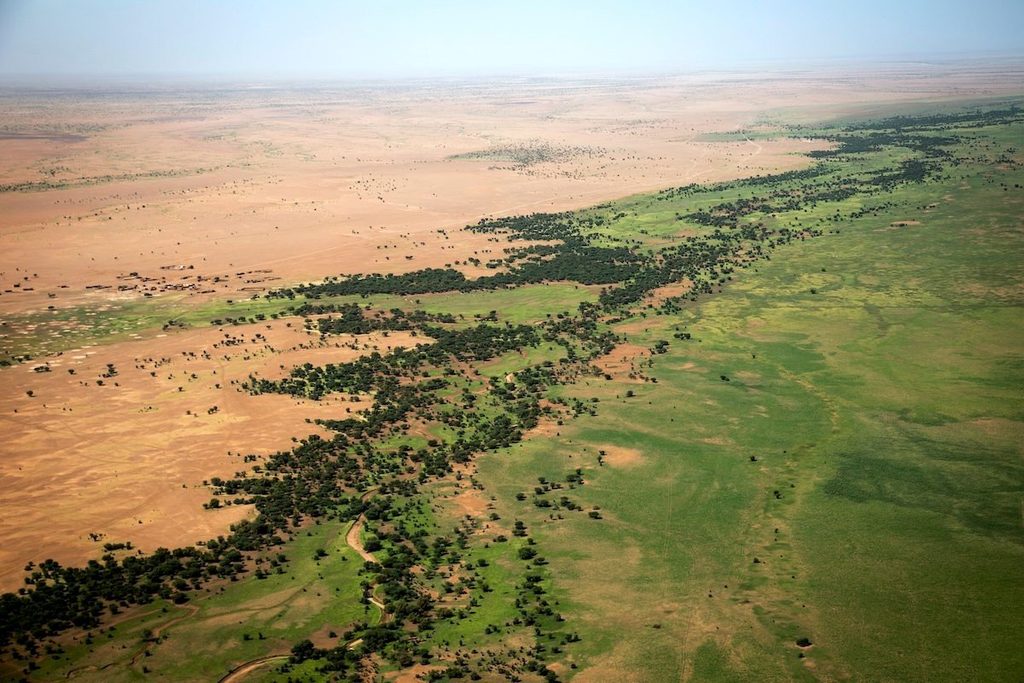
This is where the gap between ambition and outcome becomes hardest to ignore. Environmental researchers Annah Lake Zhu (Wageningen University) and Amadou Ndiaye (Amadou Mahtar Mbow University) analyzed satellite imagery of planted areas in Senegal — one of the countries most committed to the project — and found that only one of 36 planted sites examined showed more vegetation growth than would be expected from natural conditions alone. A related peer-reviewed study published in Land Use Policy similarly found low long-term ecological impact from planted areas, even while documenting genuine short-term economic and social benefits for rural communities through project-related employment.
“After nearly two decades, even taking into account that not all the money pledged has materialized, results should be visible,” Zhu and Ndiaye wrote of their findings.
Independent progress estimates have varied over the years but consistently point to the initiative lagging well behind schedule — from a widely cited 2020 estimate that the wall was only about 4% complete, to more recent assessments in the range of 15%, against an original 2030 completion target. In 2024, the UN’s desertification agency president publicly acknowledged the initiative would miss its 2030 goal.
Why Progress Has Stalled
Researchers and reporting point to several compounding factors:
- Funding bottlenecks, as described above, where pledges consistently fail to translate into disbursed, ground-level funding.
- Political instability, particularly in Mali, Burkina Faso, and Niger, where changes in government have coincided with the suspension of much long-term environmental and development aid, and where insecurity has disrupted restoration work at rural sites.
- Low tree survival rates in some planted areas, tied to inconsistent maintenance, insufficient water access, and challenging arid conditions.
- Difficulty isolating the project’s specific impact from natural rainfall variability across the Sahel, which independently affects vegetation levels year to year, making it scientifically harder to credit “greening” trends specifically to Great Green Wall activities.
It Isn’t Entirely a Failure
Despite the shortfall against original targets, the initiative has produced some genuine outcomes worth acknowledging. It has functioned as a real diplomatic framework, bringing together African nations that don’t always cooperate closely on shared environmental priorities, and has helped elevate African-led climate solutions in international forums. Local communities involved in planting and restoration work have reported genuine, if often short-term, economic and social benefits. The UN Convention to Combat Desertification (UNCCD) has also pointed to the establishment of national coordinating coalitions in 9 of the 11 core countries as a meaningful structural step, even while acknowledging that ecological results need to accelerate considerably to meet remaining targets.
Frequently Asked Questions
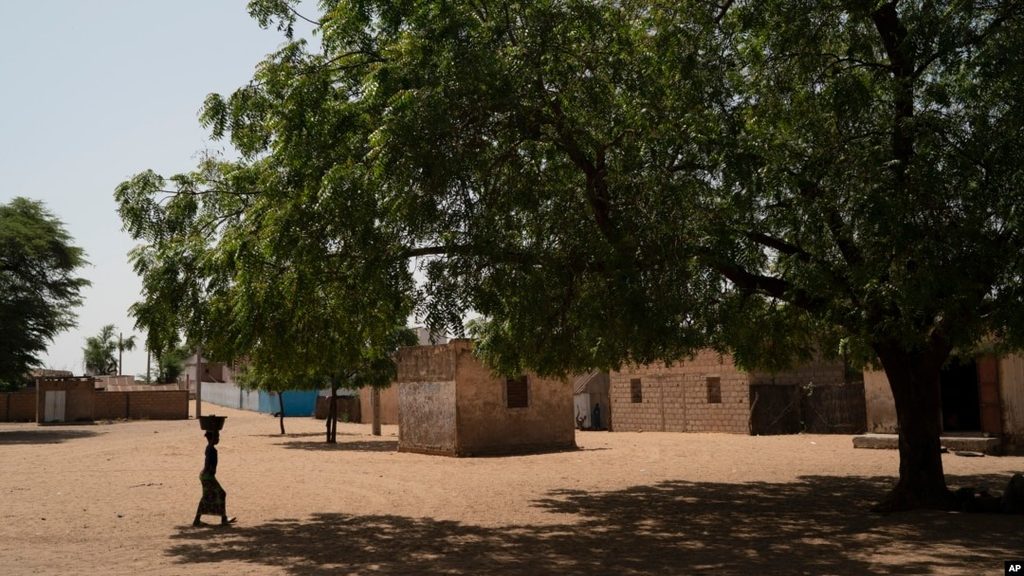
Is the Great Green Wall actually visible from space, as often claimed? Not in the way that phrase implies — satellite analysis of planted areas, particularly in Senegal, has generally found greening levels close to or below what would occur naturally, meaning a clearly visible, continuous “green wall” does not yet exist as of the most recent independent assessments.
Will the Great Green Wall meet its original 2030 target? Officials, including the UN desertification agency’s own leadership, have publicly acknowledged it will not meet the original 2030 completion goal, given the current pace of both funding disbursement and measured ecological progress.
Has the project had any real benefit at all? Yes — independent research has documented genuine short-term economic and social benefits for participating rural communities through project-related employment and services, along with real diplomatic and institutional progress, even though the initiative’s core ecological restoration targets remain far behind schedule.
Sources: NPR, The Conversation, Yale Environment 360, UNCCD, and a peer-reviewed study in Land Use Policy (ScienceDirect), cited above.
Leave a Reply