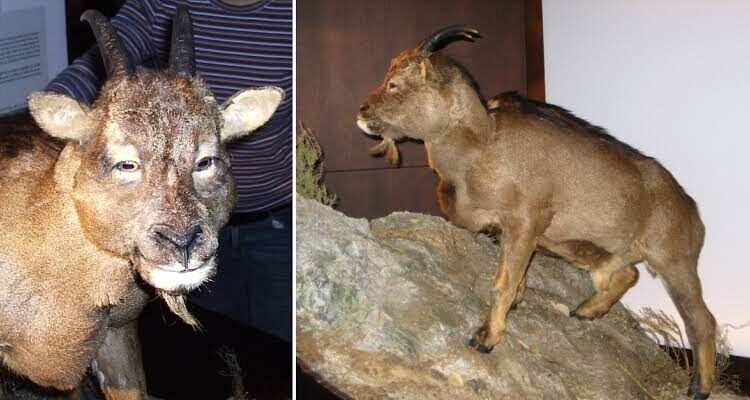
For decades, scientists have classified mammals as warm-blooded animals, capable of maintaining a constant body temperature regardless of the environment. But one extraordinary prehistoric species appears to have broken that rule. An extinct dwarf goat that once lived on the Mediterranean island of Mallorca evolved traits so unusual that researchers believe it became the closest known example of a cold-blooded mammal.
The animal, known as Myotragus balearicus, lived on the Balearic Islands after they became isolated from mainland Europe millions of years ago. Cut off from predators and living in an environment where food was scarce, the species gradually evolved in remarkable ways to conserve energy and survive.
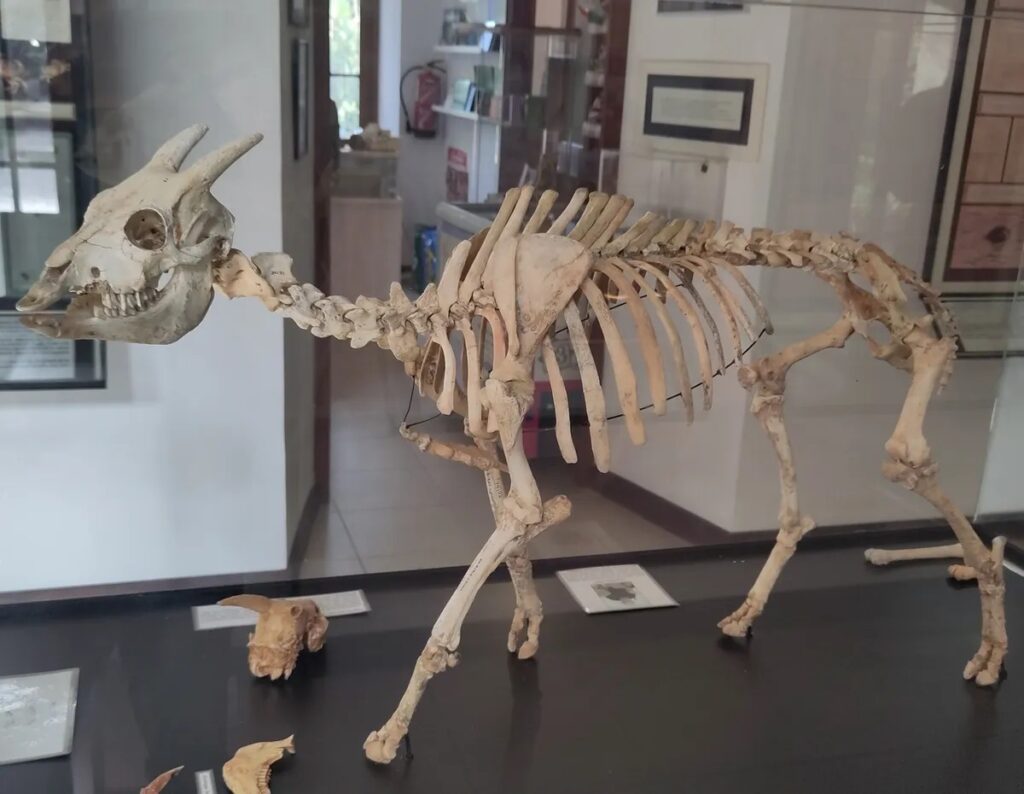
Standing only about 45 centimeters (18 inches) tall, the dwarf goat developed shorter legs, a smaller brain, and reduced sensory organs. But its most surprising adaptation was hidden inside its bones.
Scientists examining the fossilized remains discovered bone tissue unlike that of any other known mammal. Instead of the fast-growing bone typical of warm-blooded animals, Myotragus possessed lamellar-zonal bone, a structure commonly found in reptiles such as crocodiles. This type of bone indicates extremely slow growth and the ability to reduce—or even temporarily stop—growth when food became limited.
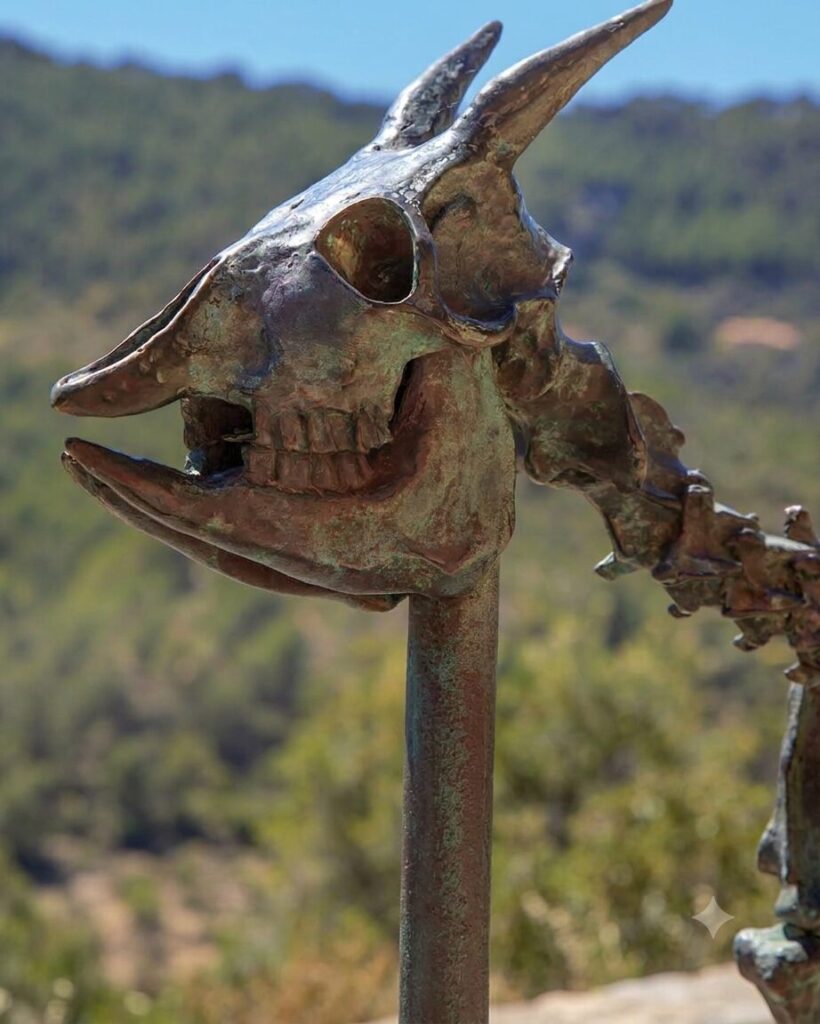
Researchers found the ancient goat matured at an unusually slow pace, reaching adulthood at around 12 years of age, whereas modern goats typically become sexually mature before they are one year old. This slow life strategy allowed the species to survive in an environment where resources were unpredictable.
Its lifestyle likely resembled that of a reptile as well. Rather than being an agile climber like today’s mountain goats, Myotragus probably moved slowly, spent long periods resting in the sun, and minimized its energy use whenever possible.
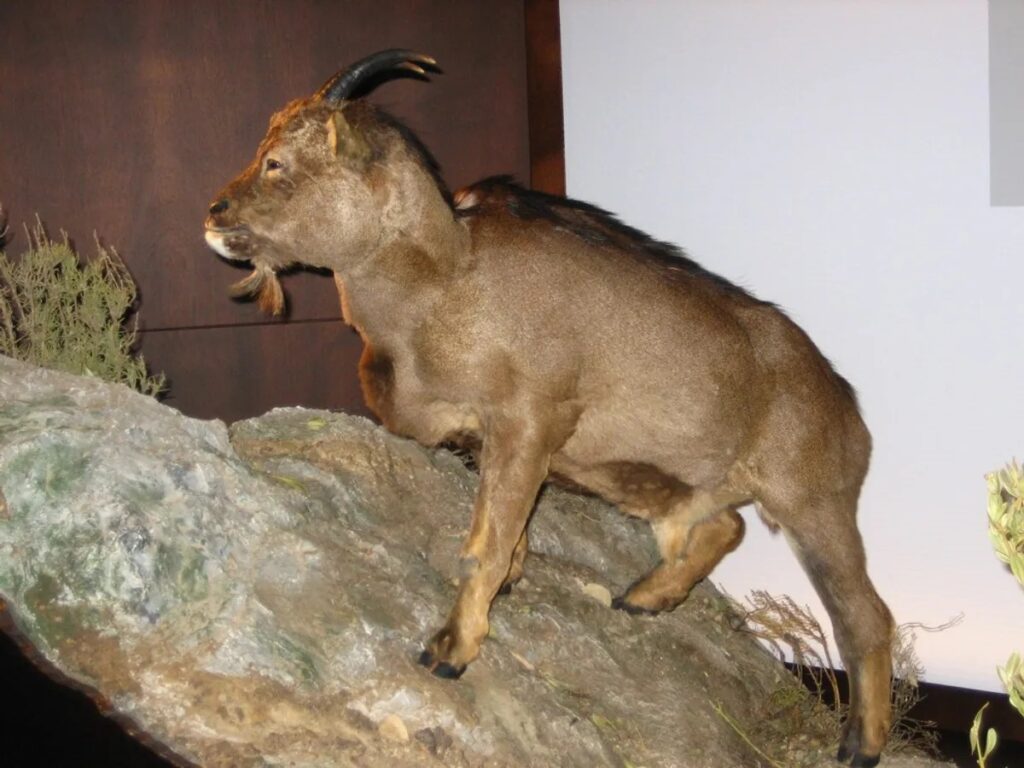
Scientists believe these reptile-like adaptations helped the species survive on Mallorca for more than 5 million years, far longer than many of its mainland relatives. However, this highly specialized way of life also made the animal vulnerable when humans arrived on the island around 3,000 years ago. Hunting and changes to the island’s vegetation are thought to have contributed to its eventual extinction.
Although some researchers suggest the animal may have represented an intermediate stage between warm- and cold-blooded metabolism rather than being truly cold-blooded, Myotragus balearicus remains one of the most extraordinary examples of evolution ever discovered. Its fossils continue to offer scientists valuable insights into how isolation, limited resources, and millions of years of adaptation can reshape even the most fundamental characteristics of mammals.
Leave a Reply