• Skip to main content
  • Skip to primary sidebar
  • Skip to footer
  • Home
  • About Us
  • Copyright Report
  • Submit Content
  • Terms
  • Privacy Policy
  • Legal Disclaimer

Hasan Jasim

Hasan Jasim is a place where you may get entertainment, viral videos, trending material, and breaking news. For a social generation, we are the largest community on the planet.

This River on the Dutch-Belgian Border Has Been Rewilded, Restoring the Pristine Conditions That Existed 500 Years Ago

by Hasan Jasim Editorial Team Leave a Comment

ShareTweet

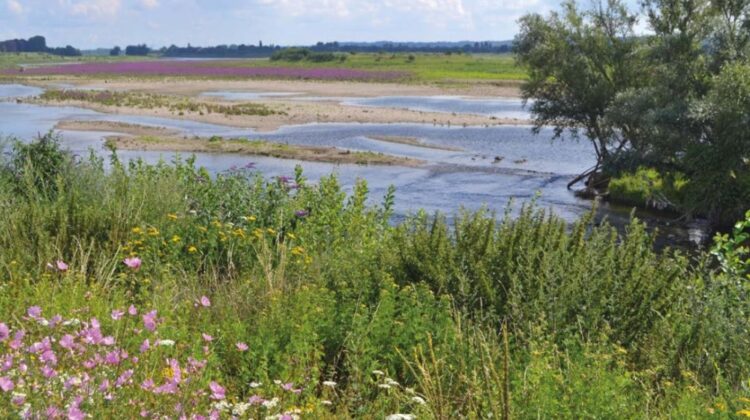
In the heart of Western Europe, along the Dutch-Belgian border, a remarkable feat in habitat restoration has been unfolding since 2007. The Border Meuse Project, also known as “Grensmaas,” marks Europe’s largest river restoration endeavor aimed at reverting 500 years of Dutch water management practices. This ambitious project has not only revitalized a 45-kilometer stretch of the Meuse River but has also given rise to the 1200-hectare RivierPark Maasvallei (Meuse Valley River Park), a thriving haven for wildlife and a burgeoning destination for green tourism.
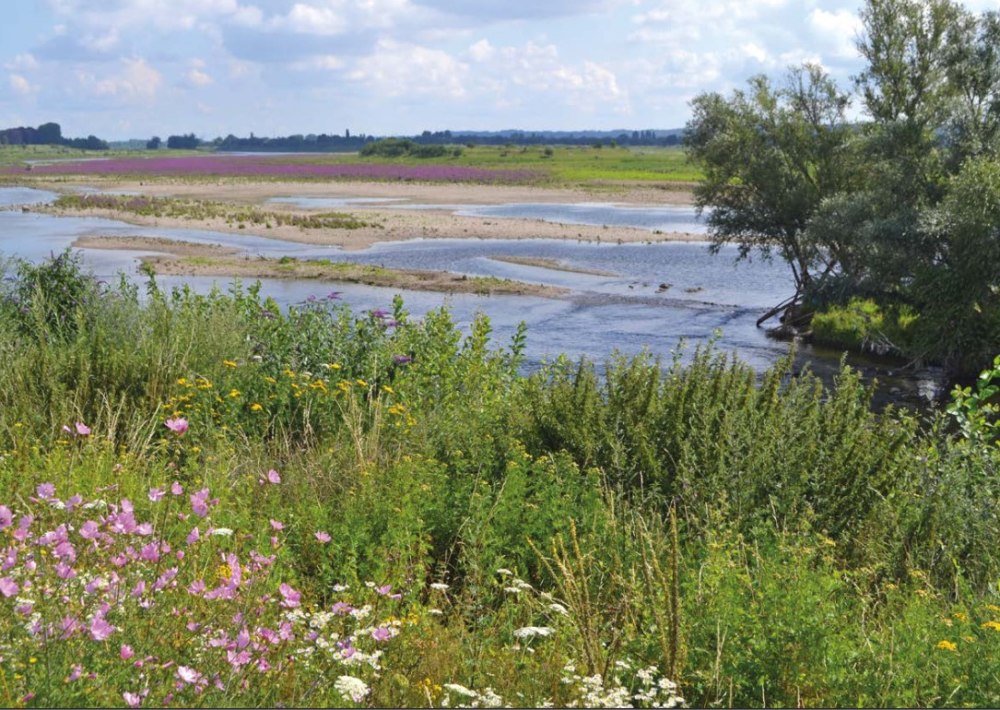
The Meuse or Maas, the rewilded Dutch-Belgian border river. The colorful vegetation newly appearing in the area includes many species from more calcareous upstream regions, bringing exceptional flora to the lowlands of Belgium and the Netherlands. Image credit: rivierparkmaasvallei.eu

The project, initiated three decades ago, harnessed the concept of rewilding by transforming a regulated 45-kilometer stretch of the Meuse into an unregulated, more natural river system. With an investment totaling €550 million and a meticulous planning phase initiated in 1990, the rewilding efforts are slated for completion in 2027. However, the impact has already been substantial, attracting two million visitors last year and generating nearly €1 billion in revenue for the region.
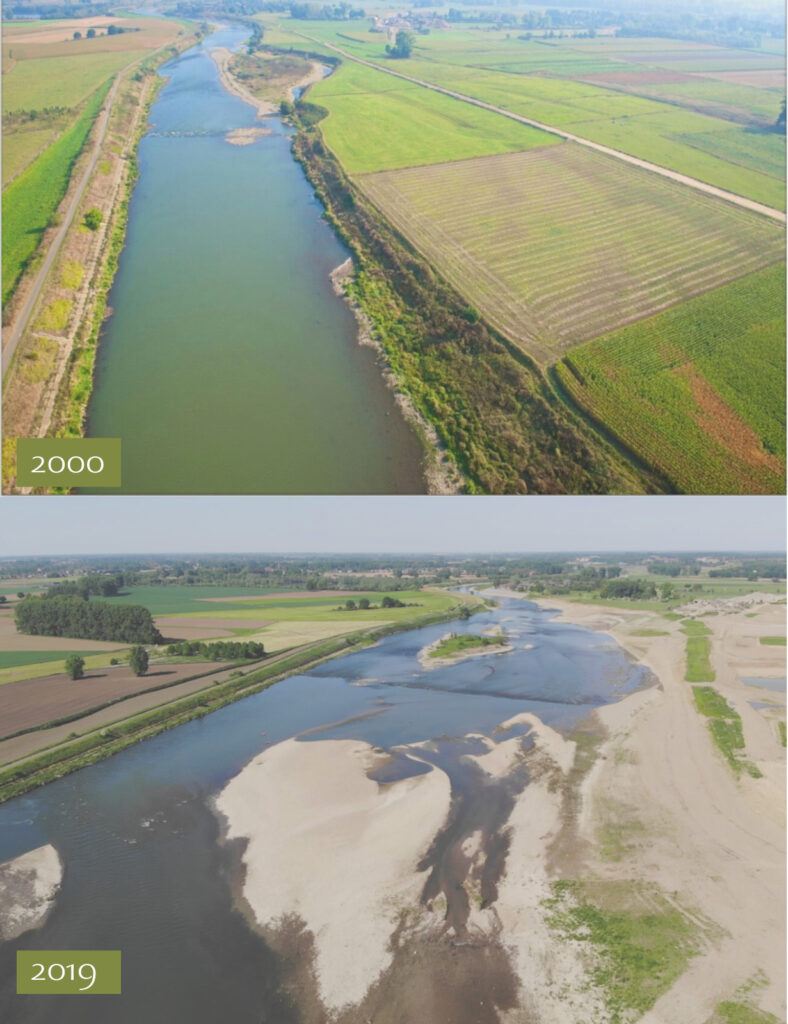
A pilot project for river widening was carried out in 2000 near Meers. The results speak for themselves. Image credit: Herman Gielen / Vincent Fissette, Avisum

The Rewilding Europe network, dedicated to restoring natural habitats across the continent, highlights the Dutch-Belgian border river rehabilitation as an exemplary green investment success story. Beyond ecological and tourism-related advantages, the project has significantly mitigated flood risks that once plagued the region, covering hundreds of square kilometers as recently as the 1980s and 1990s.
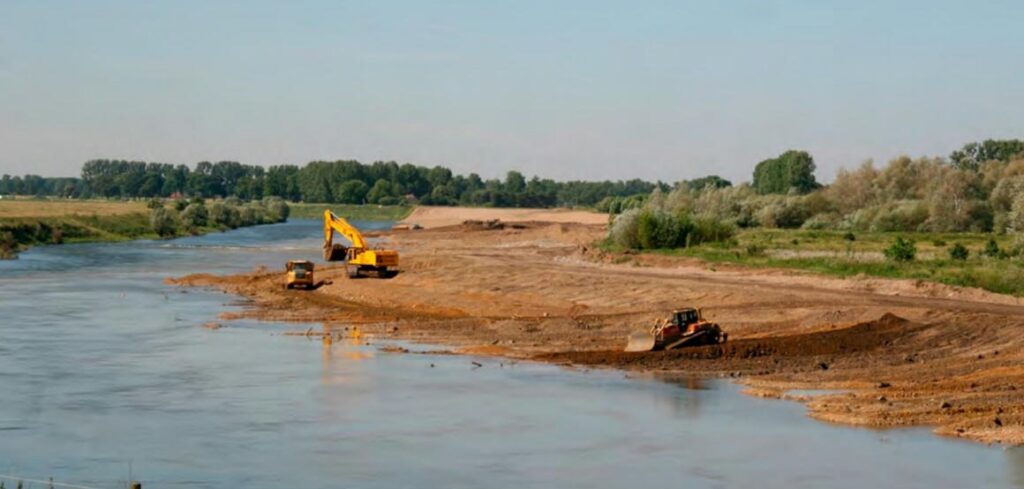
Construction works on the riverbed and the floodplain. Image credit: rivierparkmaasvallei.eu

Key to the success of the project was the strategic separation of nature and agriculture. The acquisition and restoration of farms in the river basin played a crucial role, convincing farmers through generous compensation and the acknowledgment that floods had made farming adjacent land increasingly challenging. While the shift from traditional agriculture led to temporary job losses, the surge in tourism and recreational infrastructure development created an impressive number of new jobs. Property values in the region increased by more than 10 percent compared to similar areas in neighboring countries.
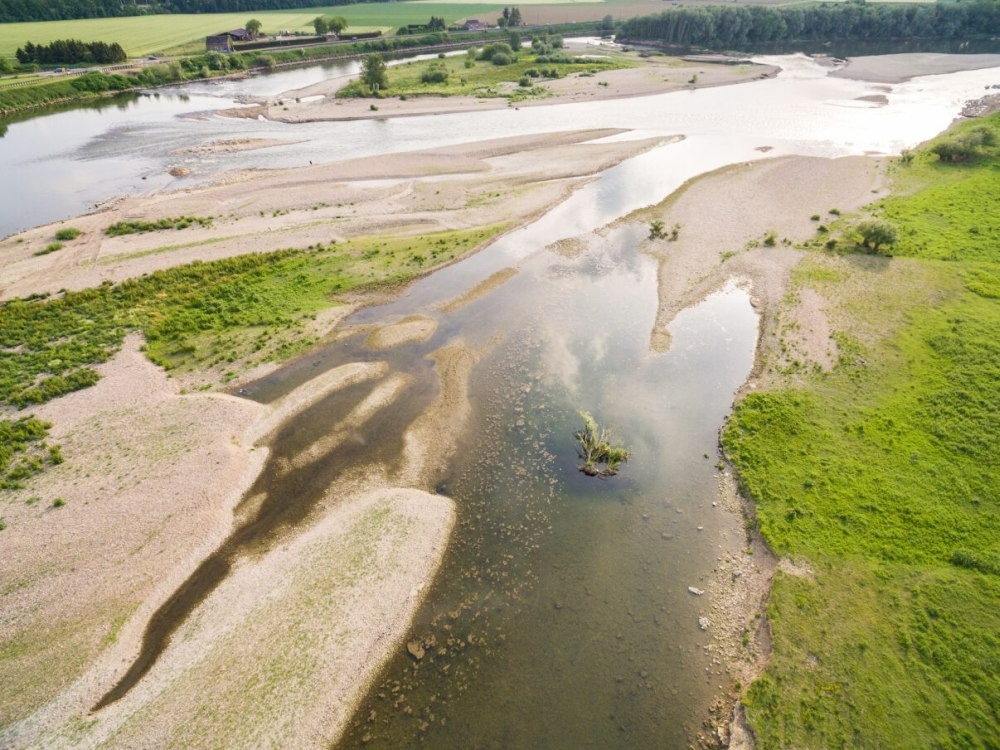
Border Meuse a revolutionary project whereby flood protection, nature restoration and gravel extraction go hand in hand. Image credit: Erwin Christis/Rewilding Europe

Nijmegen, where the project originated, received accolades as the European Green Capital in 2018, underlining the transformative impact of the rewilding initiative on both the environment and the local economy.

Detailed planning, including a thorough analysis of floods spanning the past 250 years, preceded the reclamation efforts. The changing shoreline and floodplain were meticulously designed to align with historical water levels, incorporating cartographic records from past centuries.
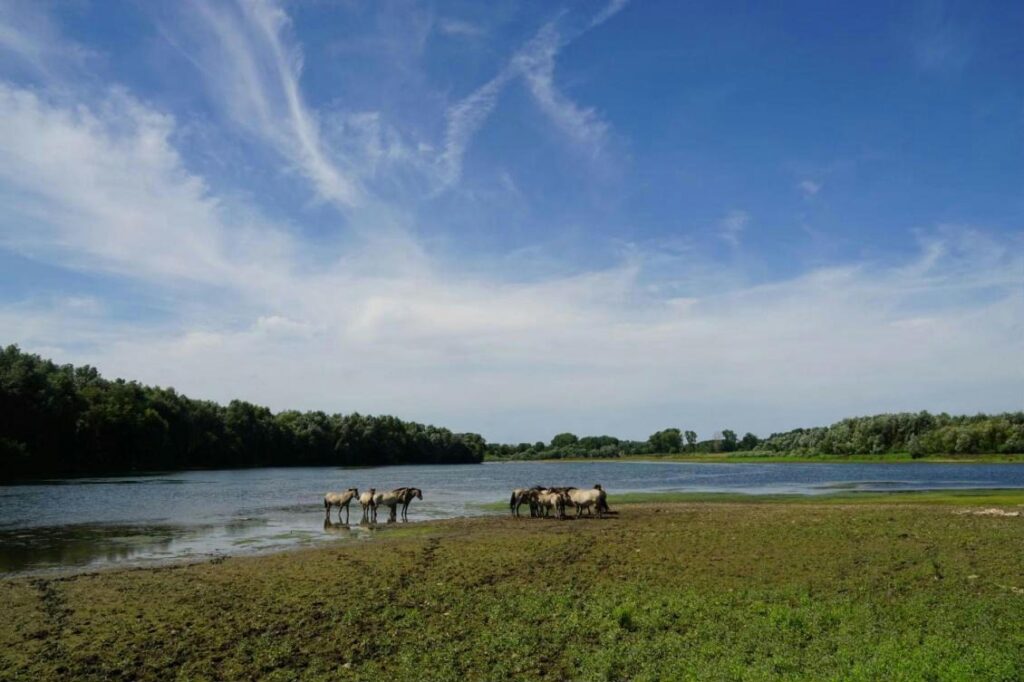
Polish konik horses on a green reef of the Meuse. Image credit: rivierparkmaasvallei.eu

The project not only shaped the river basin but also involved the removal of tens of thousands of kilometers of fencing and the reintroduction of sturgeon, beavers, and otters to bolster ecosystem sustainability. Free-roaming animals like Galloway cows and Polish Konik horses now contribute to maintaining woodland flora along the riverbanks, creating a harmonious ecological balance.
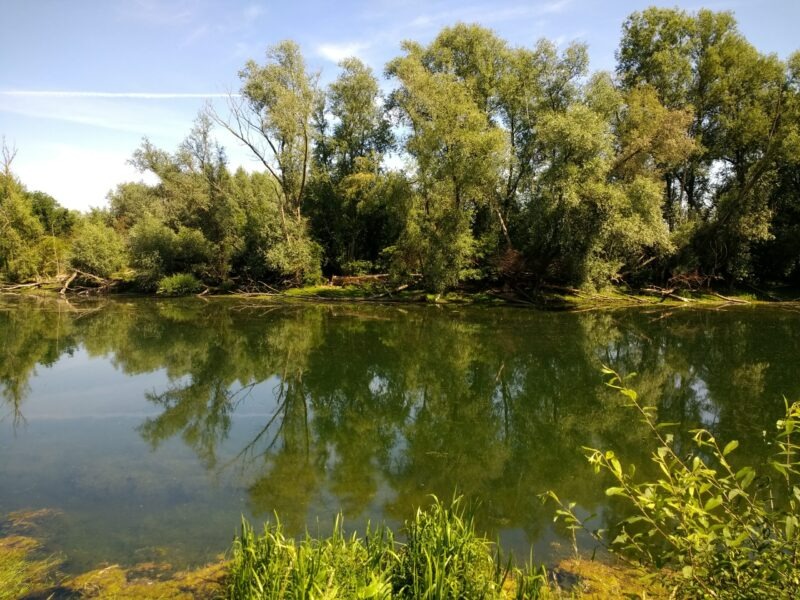
By allowing natural processes to take over again, the area is changing from a man-made landscape to one where nature and wildlife thrive. Image credit: Kris Van Looy/Rewilding Europe

The revived ecosystem has allowed fishing to resume to a limited extent, offering river products such as beef, horse meat, herbs, and other vegan options. The resurgence of fish populations, including Atlantic salmon and sea trout migrating from the North Sea, further underscores the project’s success.

As the habitat restoration video showcases the incredible results, it serves as a poignant reminder that nature, given the opportunity, reclaims its old realm with astonishing resilience. The Dutch-Belgian border river rewilding project stands as a testament to the transformative power of allowing nature to flourish once more.

Filed Under: Trends Worldwide Tagged With: been, border, conditions, dutch-belgian, existed, pristine, restoring, rewilded,, River, that, this, trends, worldwide, years

Reader Interactions

Leave a Reply Cancel reply

Your email address will not be published. Required fields are marked *

Primary Sidebar

More to See

Are 16 gauge shotguns still made?

By Hasan Jasim Editorial Team

The Nazca Culture Built These Incredible Aqueducts In The Peruvian Desert 1,500 Years Ago, And They Are Still In Use Today

By Hasan Jasim Editorial Team

Are 2 sides equal in a right triangle?

By Hasan Jasim Editorial Team

A Bear Cub Who was High on “Crazy Honey” was Saved in Northwest Turkey

By Hasan Jasim Editorial Team

Wildlife Haven For Wolves: In Colorado, It Is Illegal To Kill Wolves

By Hasan Jasim Editorial Team

A New Fleece of Life: Sheep Rescued from Five-Year Wool Overgrowth Regains Vision After 75-Pound Shear Transformation

By Hasan Jasim Editorial Team

Japan arrests Americans over stunt at baby monkey Punch’s zoo

By Hasan Jasim Editorial Team

Footer

ABOUT HASANJASIM.ONLINE

Hasanjasim.online is a digital platform dedicated to publishing well-researched articles about the animal kingdom, nature, and the environment. Our editorial team works to source stories from credible outlets, scientific research, and verified reports, aiming to inform as much as we entertain. From wildlife conservation and animal behavior to natural wonders and environmental science, we cover the topics that help readers better understand and appreciate the natural world. Whether you're a lifelong nature lover or simply curious about the planet we share, Hasanjasim.online aims to be a trustworthy destination for stories worth reading — and worth citing.

Recent

  • Euphorbia Hirta (“Asthma-Plant”): What Traditional Use and Real Research Actually Show
  • A Mystery Animal Has Been Randomly Attacking People in New Hampshire — Here’s What We Know
  • A Woman Was Filmed Sharing Her Ice Cream With Her Dog — Here’s What Vets Actually Say About It
  • Dolphin Calf Incident in Ceuta Sparks Outrage After Disturbing Beach Footage Emerges
  • Lactuca Serriola Root: Traditional Uses of Prickly Lettuce (Wild Lettuce) Root
  • The Puppy a Firefighter Couldn’t Leave Behind — and the Story Didn’t End There
  • A Mother Dog Dove Into Floodwater Again and Again — Until All 7 of Her Puppies Were Safe

Search