Cats don’t speak our language, but they communicate constantly through scent, posture and movement. Some of their habits, like rubbing against your legs, spraying on a wall or stamping their paws before a pounce, can leave owners puzzled. Here is what these common behaviors usually mean, and when it’s time to call the vet.
Why Your Cat Rubs Against You
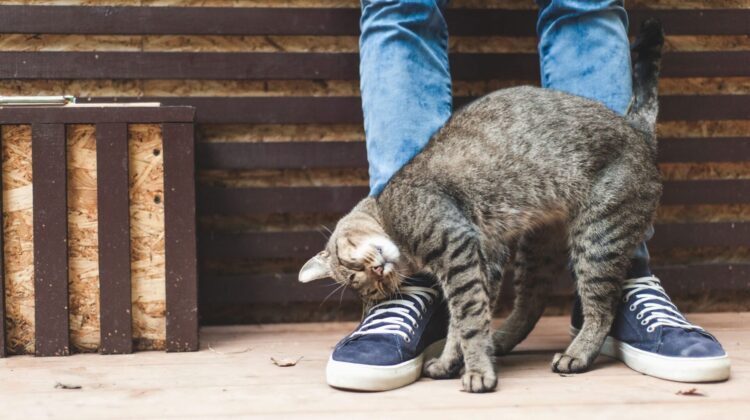
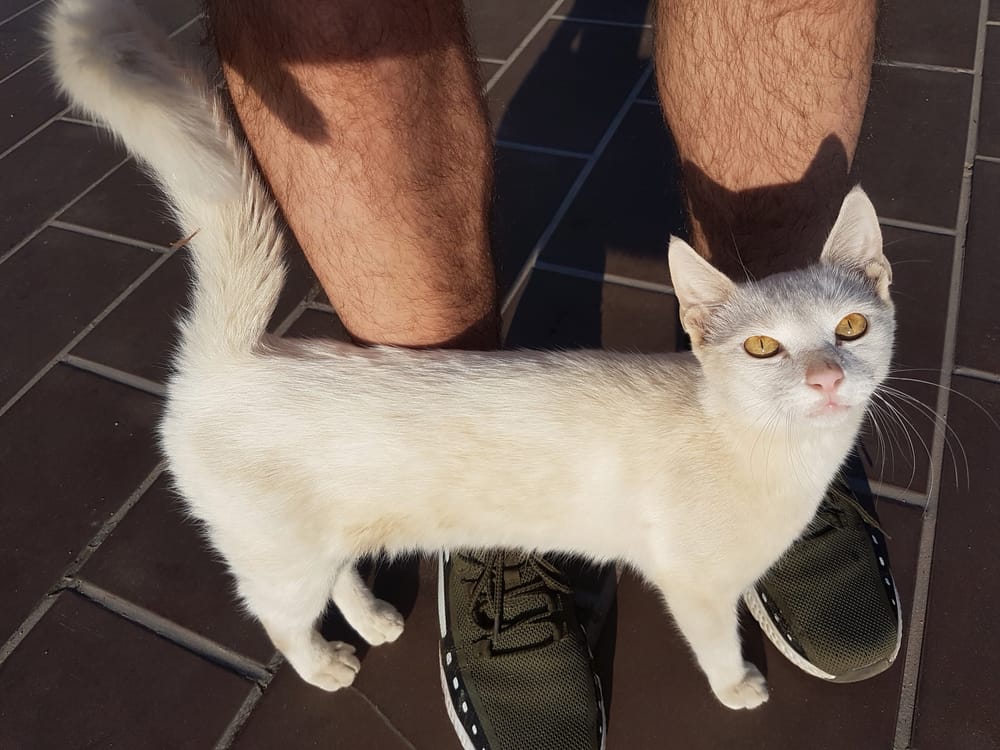
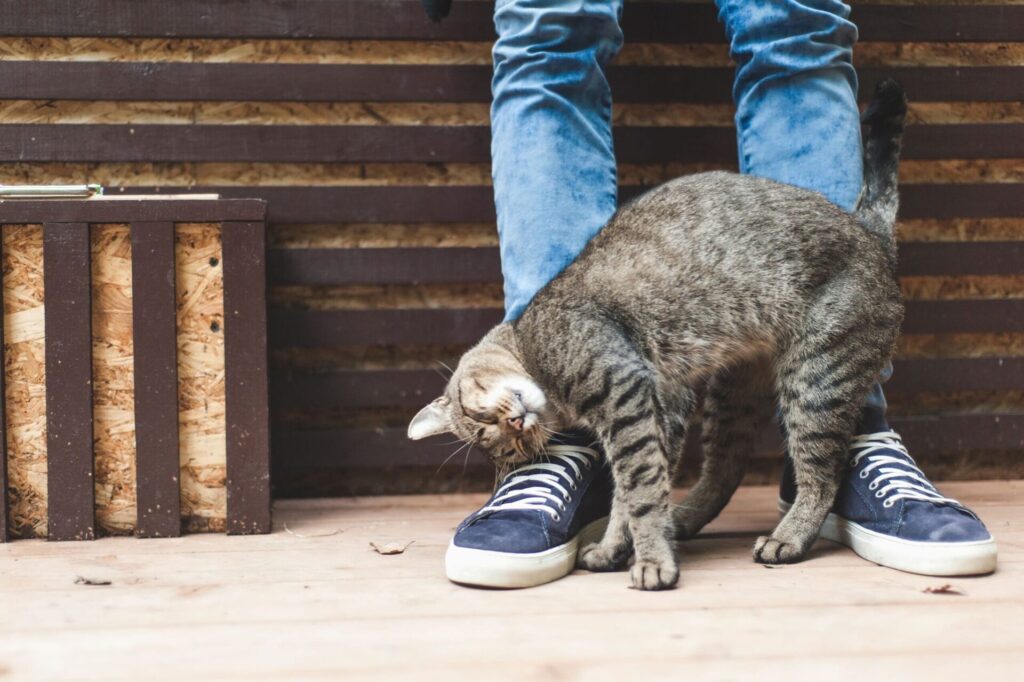
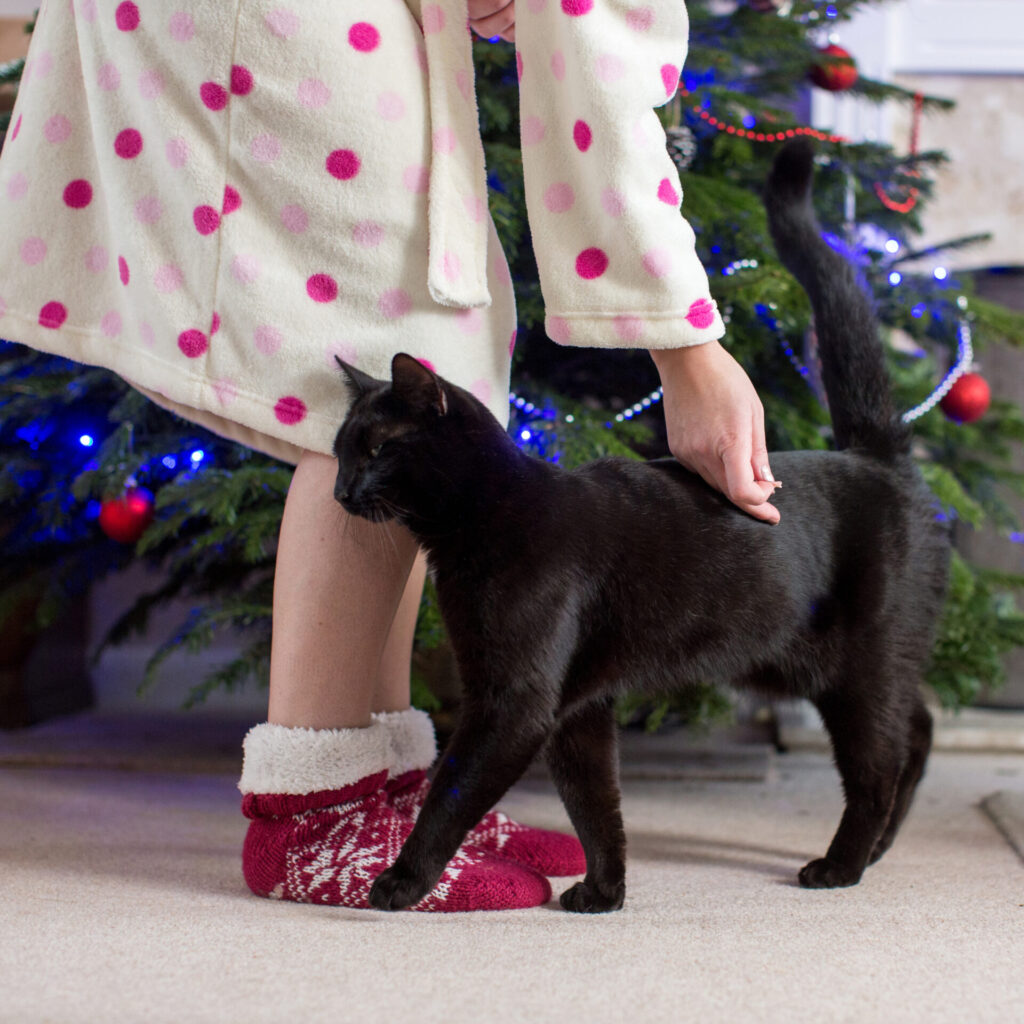
When your cat greets you at the door by pressing against your legs, it is doing more than saying hello. A cat’s face, chin and the base of its tail contain scent glands, and rubbing leaves behind a scent message that people can’t detect. In effect, your cat is marking you as familiar and safe.
The behavior usually combines affection, recognition and a bit of territory marking. Sometimes it also simply means your cat wants something: food, play or a little petting.
When Rubbing Could Be a Problem
Rubbing against people, furniture and other cats is normal. But if the behavior is new, suddenly much more frequent or unusually forceful, it is worth mentioning to your vet. Possible causes include:
- Allergies
- Fleas
- Ear infections
- Skin sensitivity conditions
- In rare cases, neurological problems
Only a veterinarian can tell which, if any, applies to your cat.
Spraying: Standing Up to Pee
Finding a small puddle on a wall or piece of furniture can be alarming. Cats that spray typically stand, lift their tail and release a small amount of urine on a vertical surface. It is mainly a territorial message that says “I was here,” and if another cat changes the scent, your cat may re-mark the spot.
Spraying is more common in unneutered males, but females and neutered cats can do it too. Stress, changes at home or new animals nearby are common triggers. Because urinary problems can also cause accidents, a sudden change in bathroom habits is a good reason to book a vet visit before assuming it’s only marking. Cleaning the spot with an enzymatic cleaner helps remove the scent that invites repeat marking.
Panting: Not the Same as a Dog’s Cooling
Dogs pant routinely to cool down, but cats don’t. Occasional panting can happen after intense play or when a cat is stressed, but panting in a cat is unusual and shouldn’t be ignored. In very hot weather it can be a sign of overheating, and it can also point to breathing or heart problems. If your cat is panting with its mouth open, move it to a cool, shaded place and contact a vet right away.
Cats do cool themselves in other ways, such as licking their fur so the saliva evaporates, but this only helps a little.
Ears Back, Eyes Narrowed
If your cat’s ears are flattened, its eyes are half-closed and it is giving you a hard stare, it is telling you to back off. This posture signals irritation or agitation. If the whiskers are pressed against the cheeks as well, the cat is likely frightened or defensive. The best response is to give it space and skip the cuddles until it relaxes.
Stamping and Trembling Before a Pounce
Many owners have watched their cat freeze, lock eyes on a toy, a bug or a sock, and then shuffle or stamp its feet before leaping. This is hunting behavior inherited from wild ancestors. The pupils dilate, the ears twitch and the body tenses as the cat prepares to strike. Playing with interactive toys lets cats act out this instinct safely.
What This Guide Doesn’t Cover
Cat body language varies from one animal to another, and the same behavior can have different causes. This article is general information and not a diagnosis. If your cat’s behavior changes suddenly, or if you notice signs of pain, illness or distress, a veterinarian or certified animal behaviorist can help.
Helping Your Cat Feel Safe and Happy
- Give them outlets for scratching and play. Compare cat scratching posts, cat trees and interactive cat toys.
- Reduce stress. Pheromone diffusers can help some cats feel calmer, along with quiet resting spaces.
- Keep the litter box appealing. Clean it often and consider an extra box in multi-cat homes. Use an enzymatic pet cleaner for accidents.
- Prevent parasites. Ask your vet about flea treatment for cats.
- Keep them cool in hot weather. Provide shade, fresh water and a cooling mat for cats.
- Plan for vet costs. Pet insurance for cats can help with unexpected bills.
Support Cats in Need
If you love cats, you can help those without homes:
- Adopt. Browse cat adoption listings at local shelters.
- Donate or volunteer. Compare animal shelter donations and cat rescue charities.
- Support neutering programs. Low-cost spay and neuter programs help reduce homeless cat populations.
Frequently Asked Questions
Why does my cat rub against my legs? It spreads scent from glands on its face and body, which marks you as safe and familiar. It also often means affection or a request for attention.
Is it normal for a cat to pant? Not really. Occasional panting after intense play can happen, but panting in hot weather or without a clear cause calls for a vet.
Why does my cat pee on walls? It may be spraying to mark territory, but medical problems and stress can also cause accidents, so a vet check is a good idea.
What does it mean when a cat’s ears go back? It usually signals irritation or fear, and means your cat wants space.
Leave a Reply