
Among the wonders of nature, the term “zombie salmon” stands out as an intriguing and somewhat eerie phenomenon. While it might conjure images of the undead, the reality is far more captivating and profound. Zombie salmon, as peculiar as the name may sound, represents one of nature’s most impressive and intelligent designs.
During their remarkable journey upstream to their freshwater spawning grounds, all five types of Pacific salmon undergo an awe-inspiring transformation. As they expend all their energy, their bodies begin to shut down, leading to a process where the fish seem to be rotting alive. This curious occurrence has earned them the moniker “zombie salmon.”

The reason behind this seemingly morbid phenomenon lies in the extraordinary challenges these tenacious fish face during their upstream migration. Salmon need to reach their spawning areas, which are often located far up in the river system. Covering distances ranging from a few miles to several hundred miles, they deplete all their bodily energy reserves in the process.
Imagine the immense energy required for such a demanding journey—most beings would never make it. Yet, evolution has made salmon masters of upstream migration, overcoming the longest rivers and most formidable currents. They display unwavering dedication to reaching their spawning grounds and ensuring the next generation of salmon comes into existence.

This determination, however admirable, comes at a steep price—decay and death. Using up all their energy reserves and minimizing feeding accelerate the process of bodily deterioration. Moreover, salmon experience immunosuppression, weakening their immune systems and leaving them vulnerable to diseases, fungi, and bacteria—thus leading to their eventual demise.
The extreme form of reproduction seen in salmon is called semelparity, signifying death after the first reproduction. This act of sacrifice exemplifies nature’s intelligent designs and adaptive evolution, showcasing the marvels of the natural world.
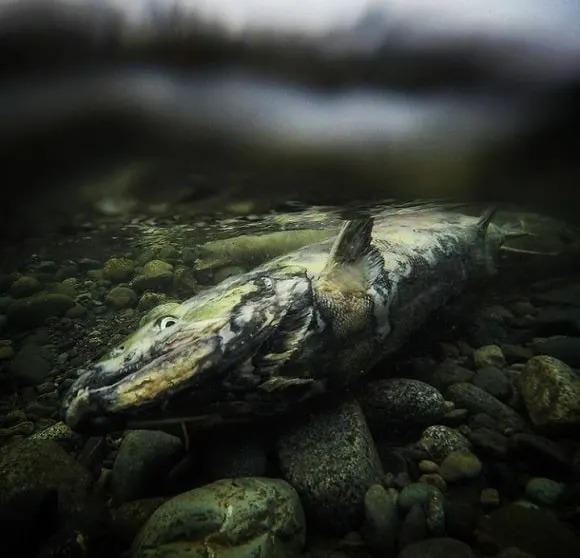
The timing of salmon’s bodily deterioration is a complex process that can start early in their upstream journey or, more commonly, a few weeks or months into it. Various factors influence this, including genetics, overall health, stored energy, water temperature, river current strength, distance to the spawning grounds, and the risk of external predation—such as bears.
Interestingly, a study revealed that predation by bears can affect the senescence (deterioration) of natural salmon populations. Populations where bears selectively kill fish showing advanced senescence tend to senesce (rot) at a slower rate.
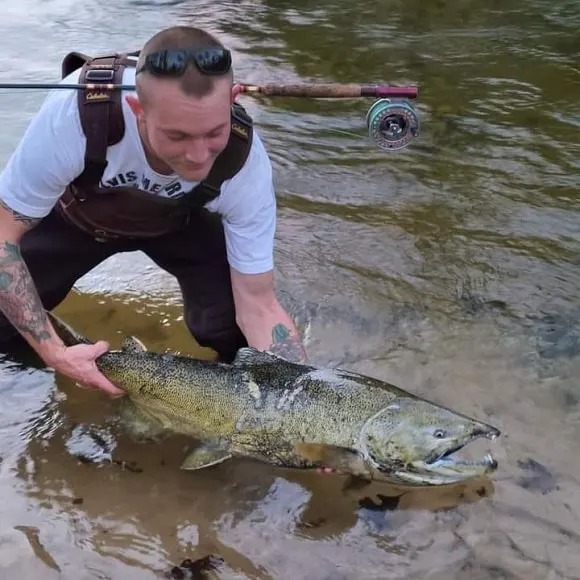
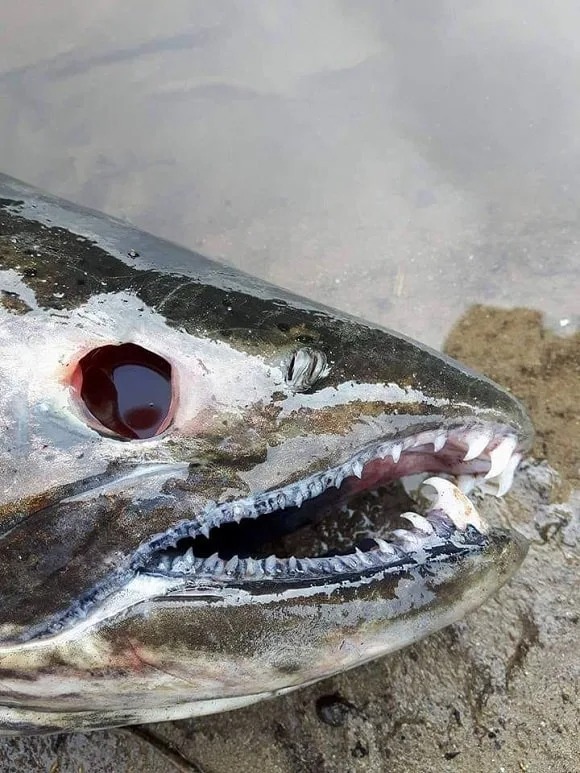
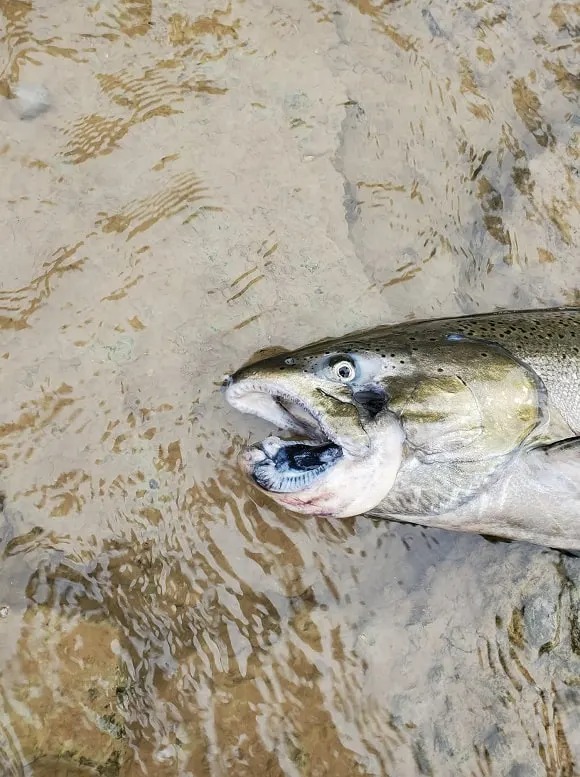


Although zombie salmon meet their end in the river where they breed and die, their contribution to the ecosystem does not end there. Migrating salmon play a crucial role as a food source for predators like bears and birds. After death, their bodies continue to support the river’s food web, making them an essential element of the ecosystem’s balance.
For bears, the migrating salmon are an invaluable source of protein and fat, providing a substantial energy boost before the harsh winter. The post-spawn deceased salmon not only nourish predators but also contribute to the ecological vitality of the river.
The fascinating life cycle of zombie salmon reminds us of the intricate interconnections and remarkable intelligence of nature’s designs. Their journey of sacrifice and contribution to the ecosystem serves as a testament to the intricacies of life and the inherent balance of the natural world.
Leave a Reply