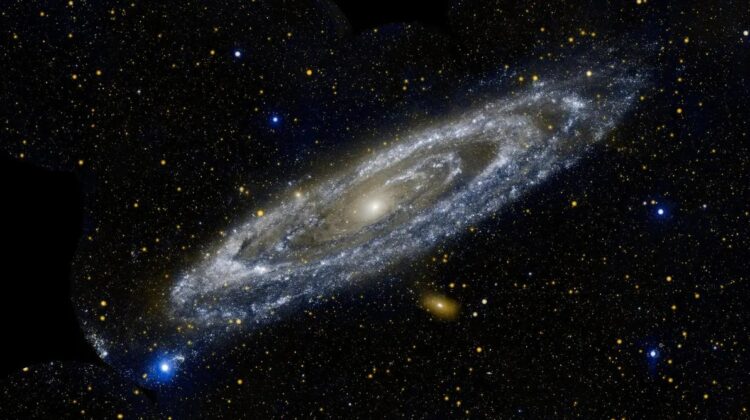
The elusive nature of dark matter continues to intrigue and confound scientists worldwide. Despite its pervasive presence in the universe, this enigmatic substance remains invisible to the naked eye, prompting the question: Why can’t we see dark matter?
The answer to this question hinges upon the elusive nature of dark matter itself—a puzzle for which scientists have proposed numerous theories but have yet to find definitive proof.
For every visible atom in the cosmos, comprising stars, planets, and interstellar gas, there exists more than five times as much dark matter. While physicists are confident in its existence, they have struggled to detect it or ascertain its composition. Until we unravel the mystery of what dark matter truly is, the reasons behind its elusive nature remain unclear, but this doesn’t mean our understanding is entirely devoid of insights.
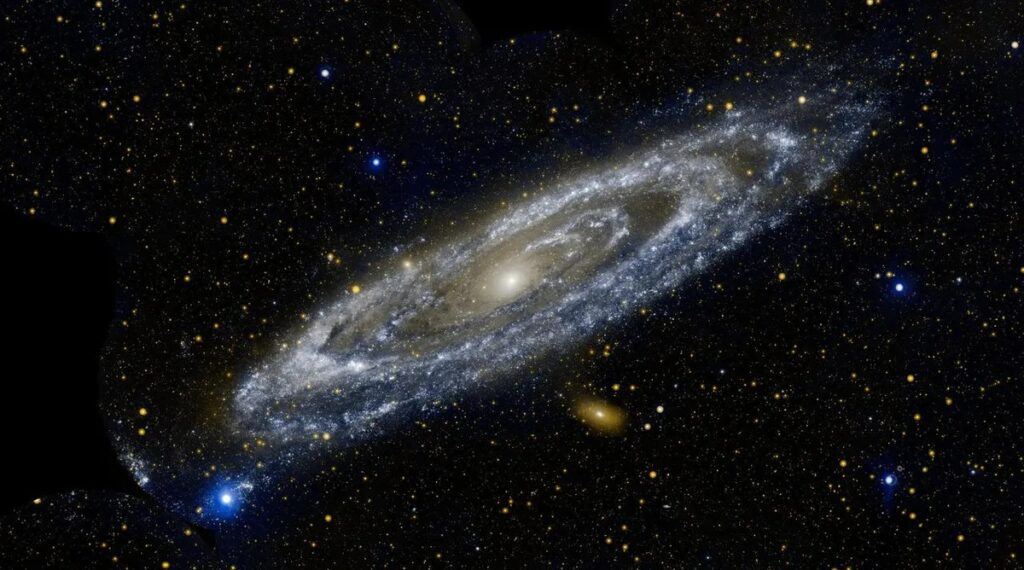
So, how do we know dark matter exists?
The evidence for dark matter stems from observations of celestial bodies and their movements. The speed at which objects orbit one another is determined not only by their distance but also by their mass. By studying the orbital dynamics of stars within galaxies and galactic clusters, physicists can infer the presence of unseen mass influencing these movements. However, when astronomers attempt to estimate the combined mass of visible stars within these structures, the figures fall short, indicating the presence of additional mass not accounted for by visible matter alone.
This discrepancy led to the hypothesis of dark matter—an invisible substance that exerts gravitational effects on visible matter but eludes direct detection. Gravitational lensing, observed instances where the light from distant objects is bent by intervening mass, provides further evidence of dark matter’s existence.
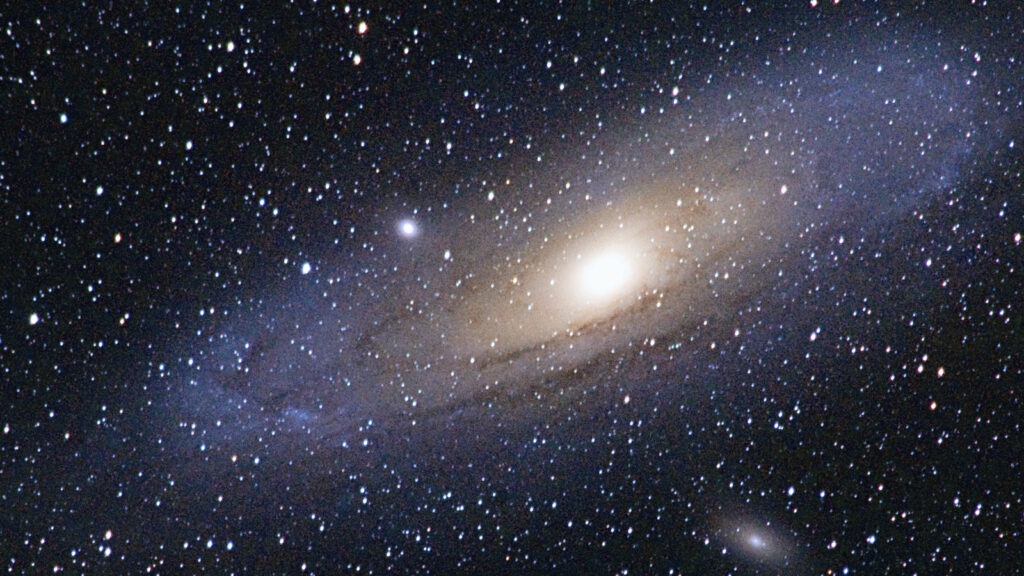
Initially, two competing explanations gained traction: the Massive Compact Halo Object (MACHO) hypothesis and the concept of Weakly Interacting Massive Particles (WIMPs). MACHOs proposed that dark matter consisted of large, non-luminous objects dispersed throughout galaxies, while WIMPs posited the existence of vast numbers of subatomic particles with mass but minimal interaction with ordinary matter.
The inability to detect dark matter depends on its nature. If dark matter comprises MACHOs, our inability to see it results from a lack of proximity to these objects. Conversely, if dark matter consists of WIMPs, direct observation is impossible, but detection may be achievable with specialized instruments.
In recent years, the MACHO hypothesis has fallen out of favor, with mounting evidence suggesting alternative explanations. The search for WIMPs continues, albeit with growing frustration as potential candidates are ruled out.
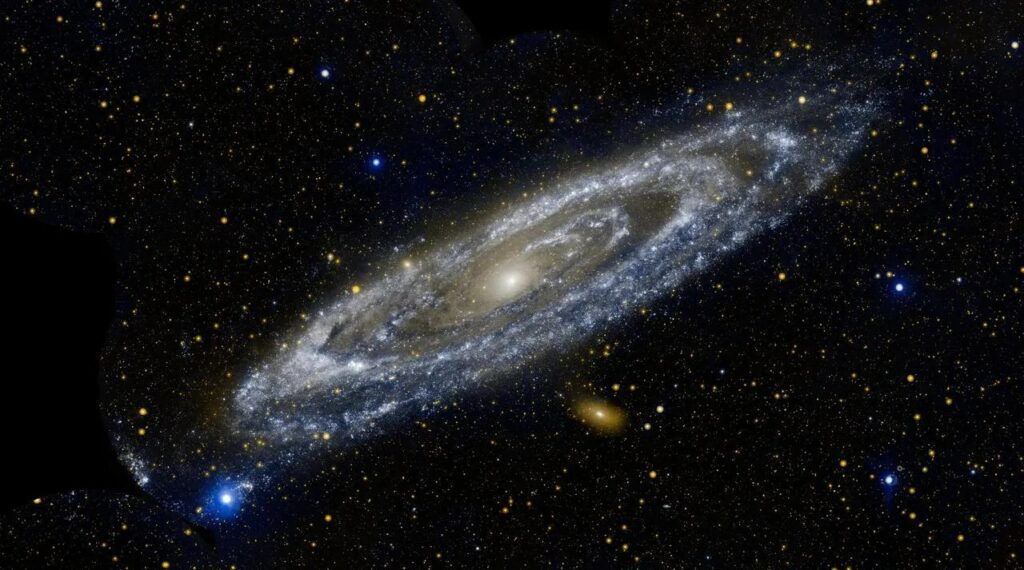
Additionally, theories involving abundant black holes in the outer reaches of galaxies have been proposed as an explanation for dark matter. While these black holes technically fit the MACHO description, their detection presents its own challenges, primarily due to their gravitational influence obstructing visible light.
In essence, the quest to unravel the mystery of dark matter extends beyond a mere dichotomy between MACHOs and WIMPs. It encompasses a broad spectrum of hypotheses, each offering unique insights into the elusive nature of this cosmic enigma.
Ultimately, only through the discovery and identification of dark matter particles can we hope to elucidate the reasons behind their prolonged concealment, unlocking the secrets of the universe’s most elusive substance.
Leave a Reply