Every cup of coffee leaves behind a mountain of waste at the other end of the supply chain. A team of scientists in Costa Rica decided to see whether that waste could do some good, and the results surprised even them.
30 Truckloads, One Bold Experiment
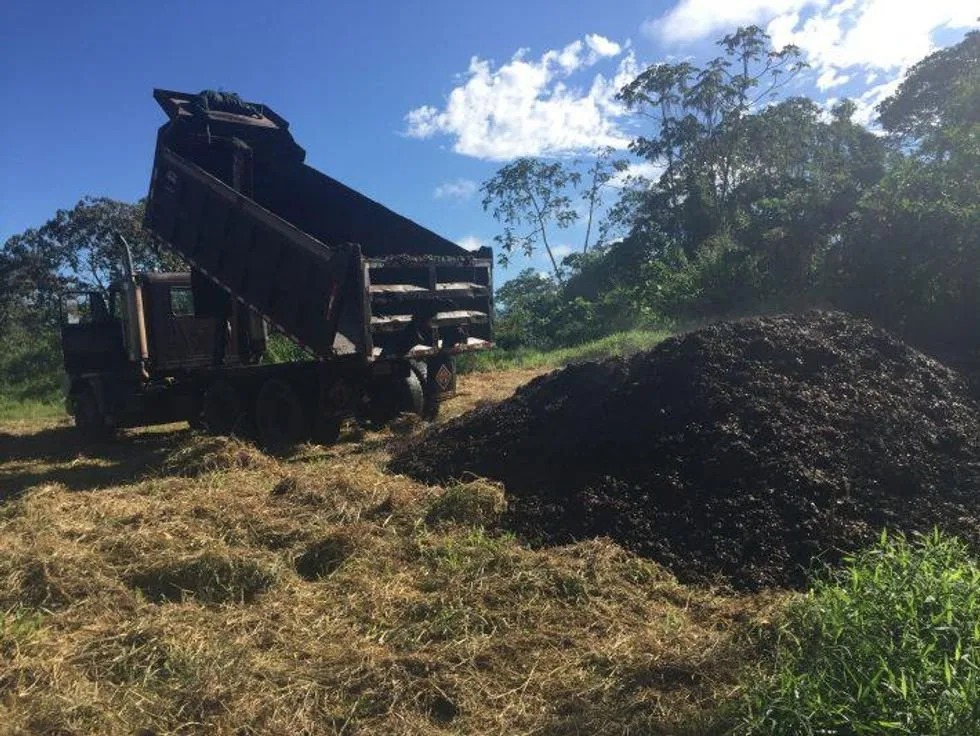
Researchers from ETH Zurich and the University of Hawaiʻi spread 30 dump-truck loads of coffee pulp across a 35-by-40-metre patch of degraded land in southern Costa Rica. The layer was about half a metre deep, and a similar-sized plot was left untouched as a comparison.
The site, in Coto Brus county, is a former coffee farm that is being restored to forest for conservation. Coffee pulp is the fleshy outer part of the coffee cherry that gets stripped away at processing mills. It is not the used grounds left over from brewing.
What Changed in Two Years
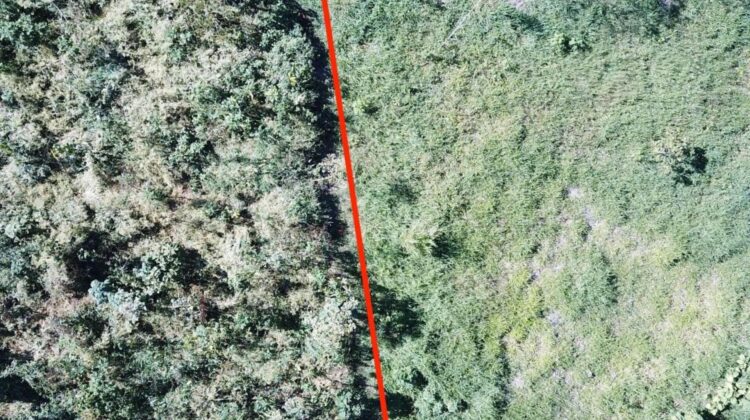
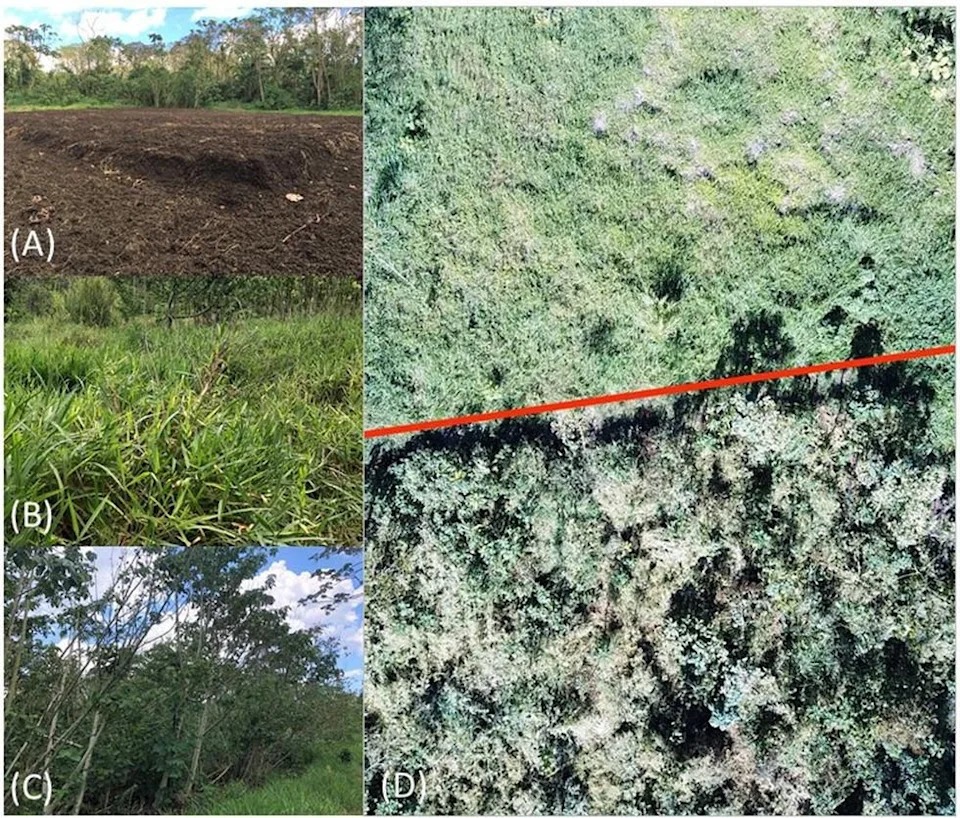
The difference was striking. After two years, the treated plot had about 80 percent canopy cover, compared with roughly 20 percent in the untouched area, and its canopy stood around four times taller. “The results were dramatic,” said lead author Dr. Rebecca Cole, according to the British Ecological Society. The treated area turned into a small forest, while the control plot stayed dominated by non-native pasture grasses.
Why Coffee Pulp Works
The researchers say the pulp helped in two ways. It smothered the invasive pasture grasses that had taken over the land and blocked young trees from taking root. It is also rich in nutrients, so it fed the soil, giving native species room and fuel to grow. Soil on former farmland is often so depleted that natural forest recovery can take decades.
The team believes pulp could be a cost-effective restoration tool because it is a widely available waste product that coffee producers often have to deal with anyway.
A Promising Start, Not a Proven Fix
Cole is clear about the limits. This was a single site, with only two years of data, so the study is a case study rather than proof the method works everywhere. She has said more testing is needed across a wider range of conditions, along with longer-term monitoring of how the pulp affects soil and vegetation over time. The team hopes to scale up the work across a variety of degraded sites.
Still, the finding points to an unusual link between agriculture and restoration. “We hope our study is a jumping-off point,” Cole said, encouraging other industries to look at their by-products and the global restoration movement.
Make Your Coffee Habit Greener
You don’t need to haul pulp to a rainforest to make a difference. A few practical steps:
- Home composting. A compost bin turns used coffee grounds and kitchen scraps into garden fertilizer.
- Sustainable coffee subscriptions. Compare fair-trade and shade-grown coffee subscriptions that support responsible farming.
- Reusable cups. A good reusable coffee cup or travel tumbler cuts down on disposable waste.
- Tree-planting donations. Reputable reforestation charities and carbon offset programs let you support restoration directly.
Frequently Asked Questions
What is coffee pulp? It is the fruit pulp stripped from coffee cherries when the beans are processed, not the grounds left after brewing.
How big was the experiment? Researchers spread 30 dump-truck loads over a 35-by-40-metre plot in Costa Rica and compared it with an untreated plot nearby.
Does this prove coffee waste can reforest the world? No. It was a single site over two years, and the researchers say more testing is needed before the method can be recommended widely.
Can I use my used coffee grounds to grow a forest? The study used pulp from processing mills, not household grounds. Grounds can go into a compost bin for your garden.
Sources: British Ecological Society, Technology Networks, EcoWatch, Daily Coffee News, and Earth.com, all covering the Costa Rica study by Rebecca Cole and Rakan Zahawi on coffee pulp and tropical forest recovery.
Leave a Reply