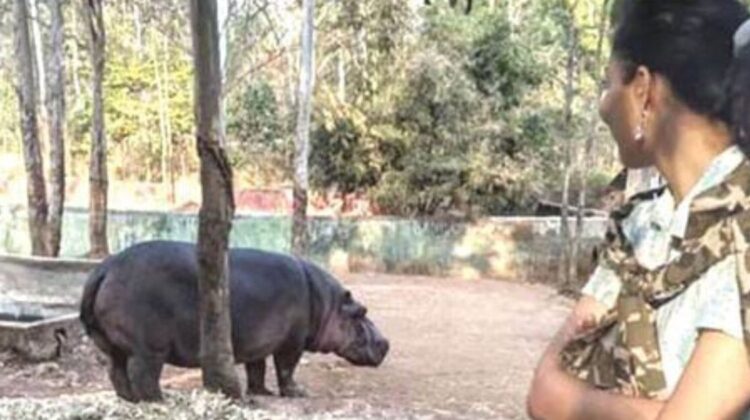
In March 2026, a 27-year-old trainee veterinarian, Dr. Sameeksha Reddy, died after being attacked by a pregnant hippopotamus at the Tyavarekoppa Lion and Tiger Safari in Shivamogga, in the southern Indian state of Karnataka. The incident has prompted a government investigation and renewed public attention on how zoos handle one of the most physically dangerous animals in their care.
What Happened
According to statements from zoo officials reported by The Tribune India, People, and The Independent, Dr. Reddy had begun her position as a veterinary trainee weeks earlier. On the night of the incident, she had been assigned to administer antibiotics to a bird at the facility — not to the hippo. After finishing that task, she entered the pregnant hippo’s enclosure alone, close to midnight, reportedly to check the animal’s condition with a thermal camera; the hippo had reportedly stopped eating in the days prior, a common concern zoo staff monitor closely in late-term pregnancy.
Officials said Reddy fell from a ladder inside the enclosure, and the hippo, described by safari director Amaresh as reacting within seconds, attacked her. She was taken to a hospital in Shivamogga and died from her injuries the following morning.
Karnataka’s forest minister ordered a formal investigation into the incident, including why a trainee was inside a dangerous animal’s enclosure alone, unsupervised, and after hours. Zoo authorities have since been directed to enforce stricter standard operating procedures for handling wild animals.
Why Hippos Are More Dangerous Than People Realize
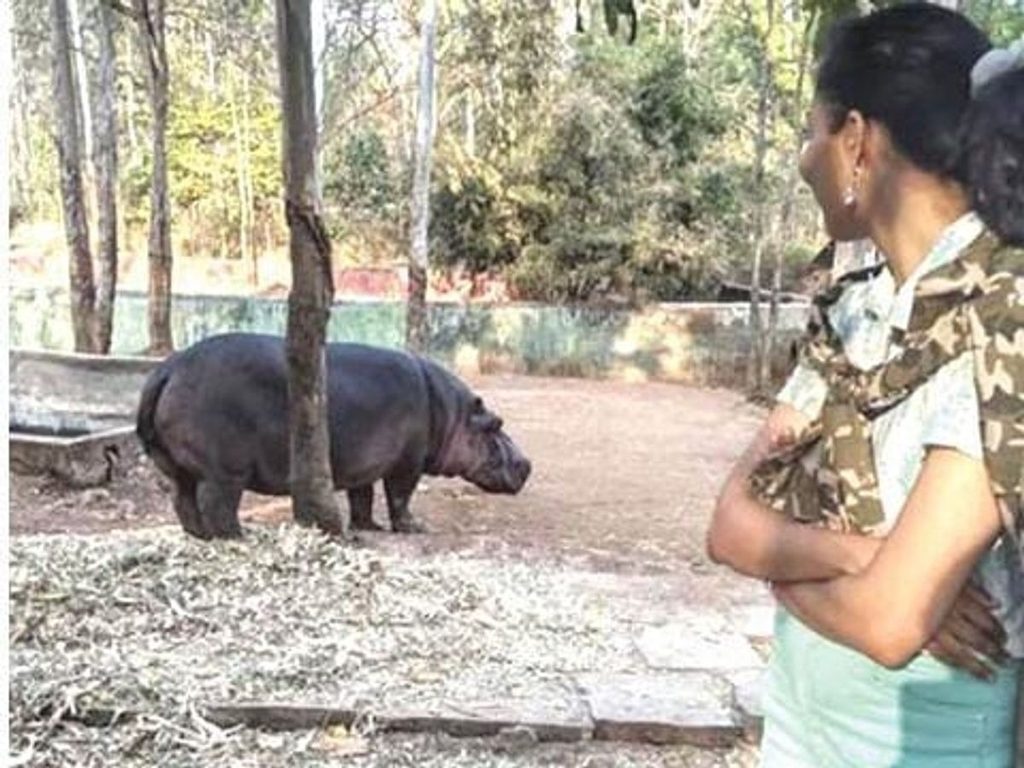
Hippos have a reputation, in parts of the world, for being lumbering and slow-moving — an image that badly understates the real risk they pose. Despite their bulk, hippos can move at surprising speed on land and are territorial, unpredictable, and capable of applying an enormous amount of force with their jaws and body weight. Wildlife safety organizations consistently rank hippos among the most dangerous large mammals in Africa in terms of human fatalities, ahead of far more feared predators like lions.
That danger increases sharply around pregnant or nursing females, who become significantly more defensive and reactive to any perceived threat near their enclosure or calf. Zoo and wildlife-handling guidelines generally call for extra caution, additional staff presence, and avoiding direct enclosure entry with a hippo in this state unless absolutely necessary — precautions that are still being reviewed in this case.
What Zoos Typically Require for Enclosure Safety
Standard protocols at accredited zoos and wildlife parks generally include:
- Never entering a large-mammal enclosure alone, particularly outside daylight hours
- Requiring a second staff member present as a safety spotter for any hands-on animal contact
- Assigning enclosure access strictly by role — only staff specifically trained and authorized for a given species should enter its space
- Extra precautions and reduced direct contact with pregnant or recently-given-birth animals
- Clear escape routes and barriers between staff and the animal wherever direct contact isn’t essential
The Bottom Line
Zoo and wildlife-care work carries real physical risk, even in facilities with established safety systems — a risk that becomes far more serious when protocols aren’t followed precisely. Dr. Reddy’s death has already prompted Karnataka authorities to review enclosure-access procedures at state-run zoos, a step aimed at preventing another young professional from facing the same situation she did.
Sources consulted: The Tribune India, PTI (Press Trust of India), People, The Independent.
Leave a Reply