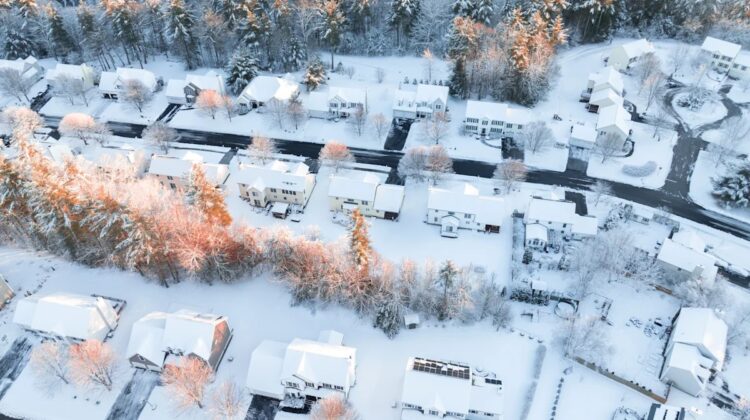
The strongest El Niño ever measured is about to hit the United States. Meteorologists say “busy” will mean very different things from Florida to the Rockies.
Why This El Niño Is Different
According to The Washington Post, the El Niño that developed this summer became the strongest on record in September. Water in the central equatorial Pacific is now more than 3.4°C (6.1°F) above average, topping the previous record from November 2015, and NOAA’s Climate Prediction Center has given a greater than 90 percent chance of a very strong event through fall and winter.
The effects should be felt more directly across the United States starting in November, as the warm Pacific strengthens the subtropical jet stream. That could fuel storms from California to Florida and up the East Coast, with elevated risks of coastal and freshwater flooding and severe thunderstorms that may last into the first half of 2027.
Florida: A Very Wet and Stormy Winter
Jeff Berardelli, a meteorologist at WFLA in Tampa, expects frequent fronts and heavy rain. He recalls the deadly February 1998 tornado outbreak during another strong El Niño and sees real potential for severe storms, though he is unsure whether the atmosphere will turn as unstable as it did then. “It will be one of the most active winters in Florida history,” he said.
Fort Myers meteorologist Matt Devitt points to January 2016, when the city got more than a foot of rain compared with about 2 inches in a typical January, and a strong tornado hit nearby Cape Coral. The Post’s tracker gives Miami a 75 percent chance that its winter rainfall lands in the wettest 5 percent of history, a risk about 15 times higher than normal. In Tampa the risk is about 13 times higher.
The East Coast: Milder, but Stormy
After the coldest winter in a decade for parts of the East Coast, Boston’s Eric Fisher, of WBZ, expects a much milder season. Boston has never recorded a colder- or snowier-than-average winter during the strongest El Niño events, which could mean a slow start to New England’s ski season.
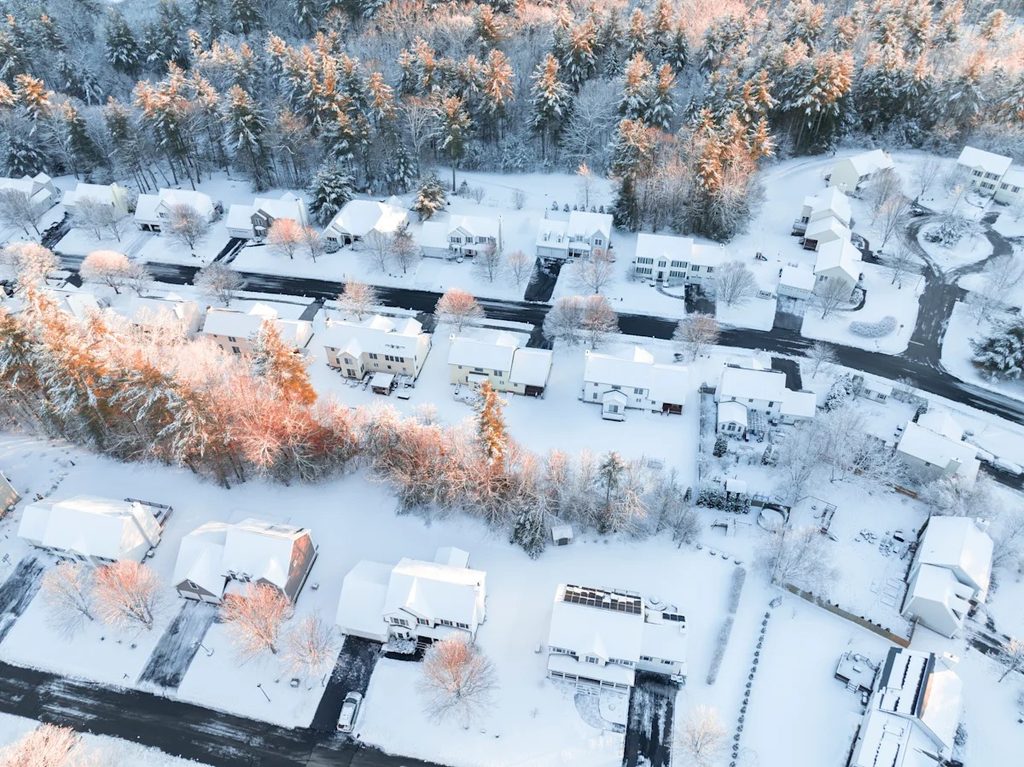
But less snow doesn’t mean fewer storms. The same active jet stream is forecast to produce about twice as many strong storms along the coast, which could end the drought that has gripped the region for two years. Pat Cavlin of WPIX in New York says nor’easters are the main concern, following a damaging nor’easter in late September.
In Washington, D.C., Capital Weather’s chief meteorologist, Jason Samenow, expects less snow than normal overall, since cold air is often the limiting factor. Even so, he said the chance of at least one blockbuster snowstorm may be somewhat higher than usual.
The West: Storm Damage and Drought Relief
Parts of Utah, Arizona, New Mexico and Colorado were hit by destructive storms last week, and a disaster emergency was declared in southwestern Colorado. Odds favor a wetter winter from California to New Mexico, offering hope of relief for drought-hit states and the Colorado River Basin.
Colorado, though, sits on the edge of El Niño’s main impacts. Denver meteorologist Chris Bianchi of KUSA notes that the state is coming off its worst snow season in modern history and says the outlook for its high country is “fairly 50-50.” New Mexico could see heavier rainfall and above-average snowfall in the north. NOAA expects drought to develop or worsen across the interior Pacific Northwest and northern Rockies.
California faces the biggest worries: a much higher chance of flooding and strong winds, especially from January to March. Climate scientist Daniel Swain said the most extreme forecast scenarios show three to four years’ worth of rainfall in a single season in Southern California, with coastal waters possibly “record-shattering” 10°F above normal, adding more moisture to atmospheric rivers.
The Midwest: An Easier Winter
Scott Sabol, a meteorologist at WJW in Cleveland, expects a slow start to winter. Lake Erie hit about 96 percent ice cover in February, a decade high, but he expects it to be ice-free this winter. Open water could boost lake-effect snow later if cold air passes over it. NOAA favors above-average temperatures from North Dakota to Ohio, including Minneapolis, Chicago and Detroit.
A Forecast, Not a Guarantee
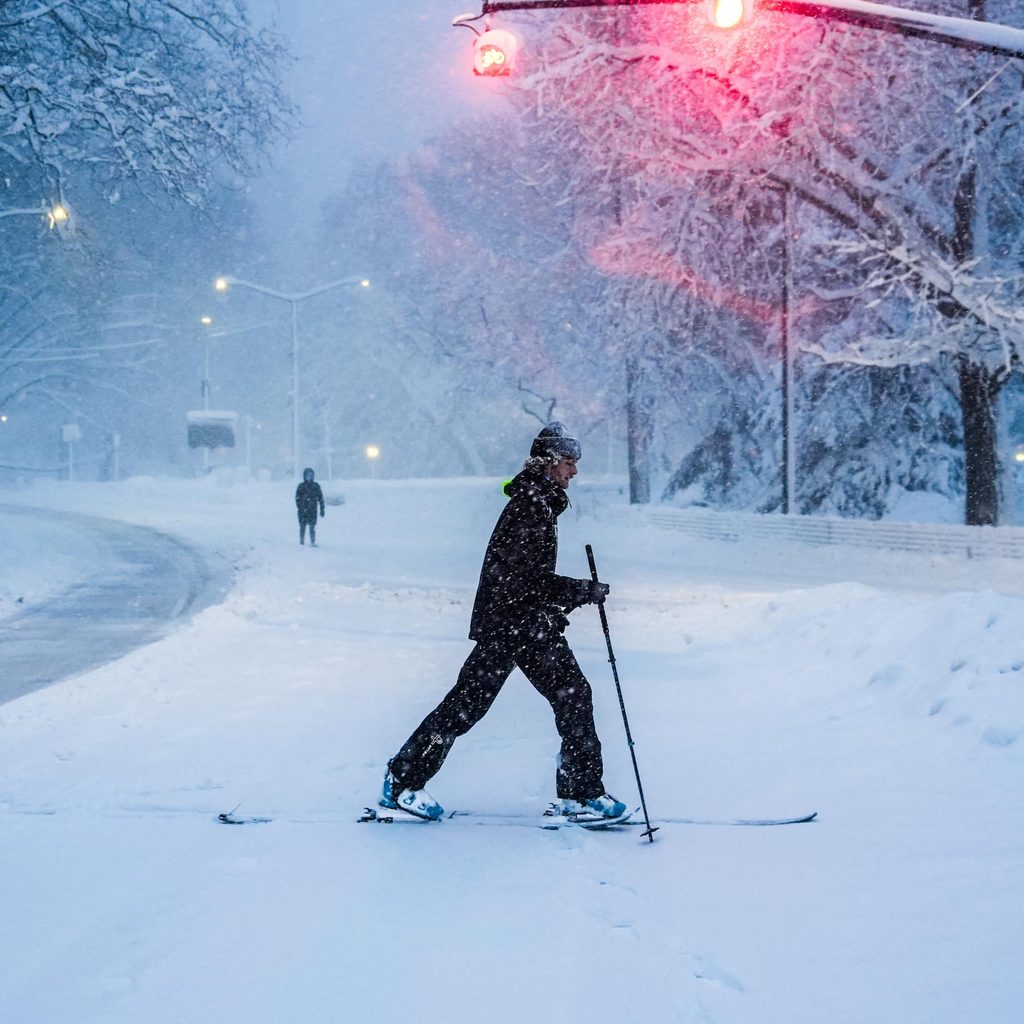
El Niño tilts the odds but doesn’t cause any individual storm, and impacts differ by location. Forecasters stress that a single winter can still surprise.
Get Ready for a Stormy Season
With flooding the biggest risk in many regions, now is a good time to prepare:
- Insurance. Compare flood insurance, homeowners insurance and renters insurance, since standard policies often exclude flood damage.
- Home protection. Look at roof inspection, sump pumps, gutter repair and water damage restoration services.
- Emergency supplies. Browse home generators, emergency preparedness kits and weather radios.
- Travel and driving. Consider travel insurance, auto insurance and winter tires before storm season.
Frequently Asked Questions
Is this El Niño really the strongest on record? According to The Washington Post, Pacific temperatures in the El Niño region surpassed the previous record in September, and they’re still rising.
When will the effects start? Forecasters expect the effects to be felt more directly in the United States from November, with flooding and severe storm risks lasting into the first half of 2027.
Will it snow more than usual? Not necessarily. Much of the East and Midwest may see milder, less snowy conditions, while some areas, like the southwestern mountains and parts of the Rockies, could get heavier snow.
Which areas face the greatest flood risk? California, Florida and the East Coast are the main areas of concern, with California’s risk peaking from January through March.
Does El Niño guarantee a stormy winter? No. It raises the odds for certain weather patterns, but local conditions vary and no forecast can promise what will happen in a given place.
Sources: The Washington Post, Newser, UNILAD, RealClearScience, and FOX Weather, all covering the record-strength 2026 El Niño and meteorologists’ regional forecasts for the 2026–27 U.S. winter, including the Post’s El Niño tracker.
Leave a Reply