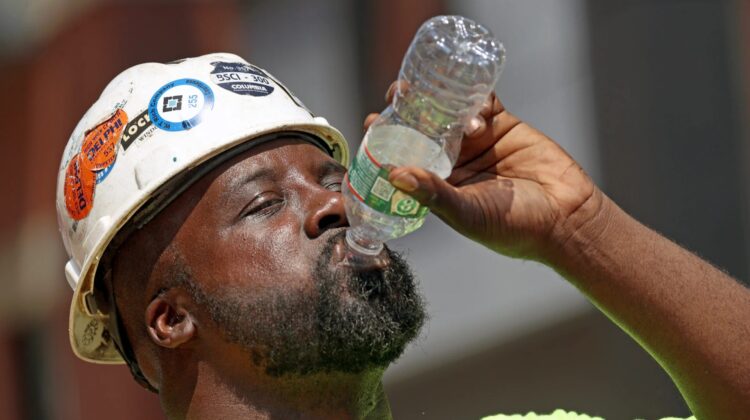
With summer officially underway, millions of Americans are facing another week of heat advisories across the Northeast, Midwest, and South. As temperatures worldwide continue to rise due to climate change, the limits of the human body’s ability to deal with excess heat are being tested. Last week, more than 1,000 people died on a pilgrimage to Mecca in Saudi Arabia amid temperatures of 125° Fahrenheit.
In the U.S., government agencies have long warned that the combination of higher summer heat and high humidity will become more and more dangerous in places like the Midwest because so-called “wet-bulb” temperatures will prevent the human body from cooling down by sweating.
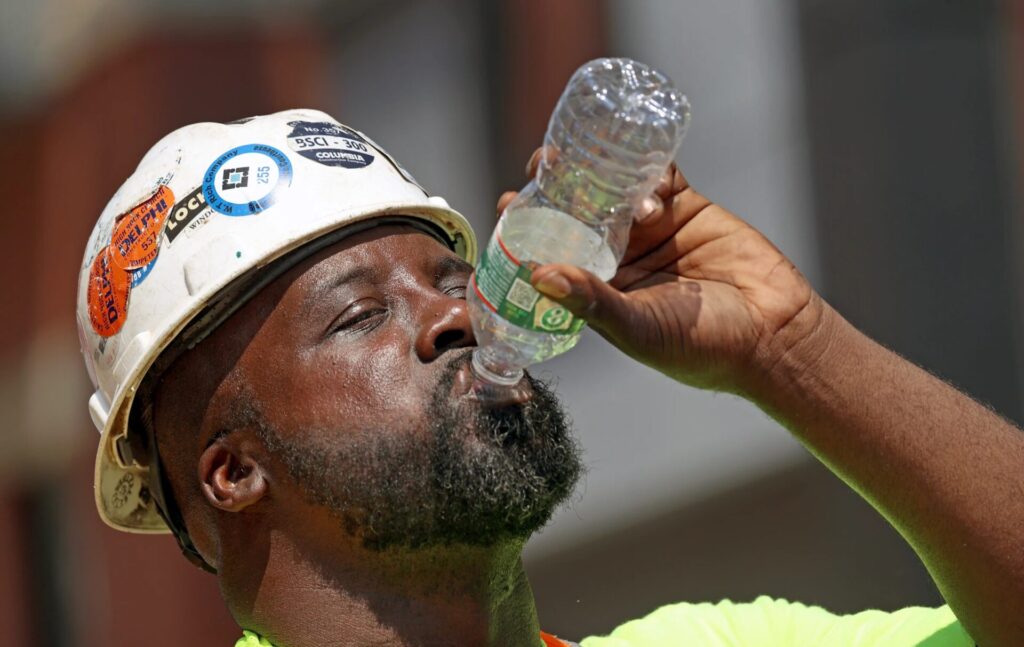
“The hotter it is, the more strain our bodies feel, and the more we need to sweat to cool down,” NASA states on its website. “But humid air has less capacity to hold additional moisture, so water evaporates more slowly in humid conditions.”
How is a ‘Wet-Bulb’ Temperature Measured?
When it gets hot, the human body sweats, and the evaporation of that sweat into the air helps cool the body. But if the humidity in the air is too high, it prevents the evaporation of sweat, depriving the body of its ability to cool itself down. To approximate that effect, scientists calculate “wet-bulb” temperature by covering a thermometer with a wet cloth and measuring the amount that the evaporation of moisture cools the thermometer, Reuters reported. “Wet-bulb temperature is the lowest temperature to which an object can cool down when moisture evaporates from it,” NASA says on its website.

Calculating the Risk
The latest long-range weather forecasts are predicting another steamy, record-breaking July. Fortunately, numerous handy websites have popped up to help people calculate wet-bulb temperatures. All you have to do is enter in the current temperature and relative humidity. Using the Omni Calculator, for instance, an air temperature of 95°F combined with a relative humidity of 80% results in a wet-bulb temperature of 89.47°F, meaning that the evaporation of sweat isn’t doing a great deal to cool the body down. “Wet-bulb temperatures above 30°C (86°F) pose potential fatal danger to humans outside. It’s also very uncomfortable. In these conditions, you should avoid direct sunlight and drink lots of water,” the site adds for that particular calculation.
Effects on the Body
Simply put, prolonged exposure to wet-bulb temperatures can kill you. “This triggers changes in your body. You dehydrate. Your organs become stressed, especially your heart,” NASA says. “Blood rushes to your skin to try to release heat, starving your internal organs. The results can be deadly.”
Staying Safe
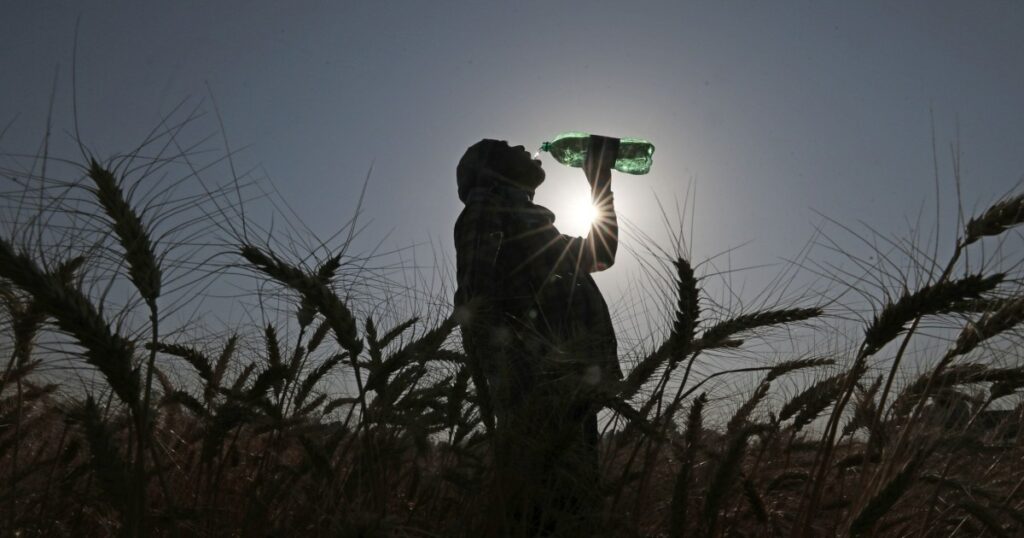
Studies have shown that wet-bulb temperatures of 95°F or above could render some parts of the globe uninhabitable. In the meantime, it’s important to take precautions during periods in which high temperatures are coupled with high humidity. As Yahoo News’ Kaitlin Reilly reported, those include the following:
- Know the symptoms of heat illness, such as muscle cramping, rash, headache, nausea, and dizziness.
- Limit outdoor exposure during the hottest parts of the day.
- Drink plenty of water and replenish with electrolytes if needed.
- If you’re suffering from heat illness, move to a shaded, cool place, loosen or wet your clothes to reduce body heat, or take a cool bath, if possible.
- Seek out air-conditioned places to spend time during periods of extreme heat.

By understanding and preparing for the dangers of wet-bulb temperatures, we can better protect ourselves from the increasingly severe heat waves brought on by climate change.
Leave a Reply