
Recent studies reveal a shocking trend: sperm counts in men worldwide have declined by nearly 50% over the past few decades. This alarming global trend is not just a cause for concern for fertility but for overall men’s health. With a growing body of research pointing to accelerating declines in sperm count, it’s time for society to address the environmental, lifestyle, and medical factors contributing to this issue before it’s too late.
Sperm Count Decline: A Global Crisis
According to groundbreaking research from an international collaboration of scientists, sperm counts in men across the world are plummeting at an unprecedented rate. A meta-analysis that examined data from 53 countries spanning all seven continents revealed that sperm counts have continued to fall, with some regions showing a sharp acceleration in recent years. This research paints a concerning picture for the future of male fertility, raising questions about the long-term implications for human health and reproduction.
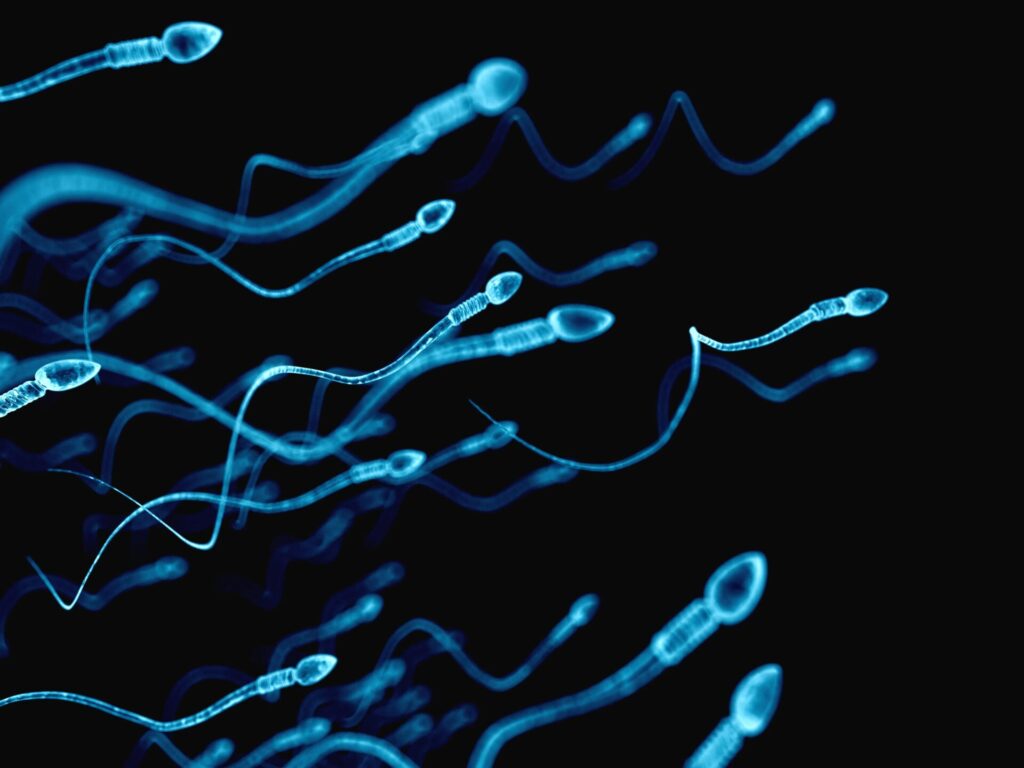
The findings, published in Human Reproduction Update, show a consistent and disturbing trend. Sperm counts have decreased by over 50% in the past 46 years, and this decline has only accelerated since the year 2000. According to Professor Hagai Levine of Hebrew University’s Hadassah Braun School, who led the study, this is more than just an academic issue—it is a global emergency.
Levine warns, “Our findings serve as a canary in a coal mine. We have a serious problem on our hands that, if not mitigated, could threaten mankind’s survival. We urgently call for global action to promote healthier environments for all species and reduce exposures and behaviors that threaten our reproductive health.”
Why Is Sperm Count Declining?
While the exact cause of the sperm count decline remains elusive, experts suggest that a combination of environmental toxins, lifestyle factors, and prenatal developmental disruptions may be contributing to the crisis. Chemicals like endocrine disruptors, found in plastics, pesticides, and other industrial products, are believed to interfere with hormone production, potentially affecting sperm production and quality.

A major study conducted in China earlier this year revealed that high levels of air pollution are linked to significantly lower sperm counts, with men living in more polluted areas experiencing greater declines. This suggests that environmental pollution may be a significant factor driving the global decrease in male fertility.
Professor Levine points out that, despite the growing body of evidence linking these factors to sperm quality, there is still much to learn about the precise mechanisms at play. “We know that the decline in sperm count is happening, but why exactly it’s happening is still an open question,” he says. “Further studies are needed to understand the full scope of the problem and how best to address it.”
The Impact of COVID-19 on Sperm Count and Fertility
The global pandemic has also brought attention to the issue of sperm count. During the COVID-19 crisis, rumors spread that the vaccine was affecting sperm quality, but scientific evidence does not support this claim. While COVID-19 infection itself has been shown to impact sperm count and motility, there is no significant evidence to suggest that the COVID-19 vaccine causes similar issues.
Despite this, the pandemic highlighted how vulnerable men’s reproductive health can be to external factors. The combination of stress, illness, and lockdowns may have exacerbated the decline in sperm quality, prompting many experts to raise awareness about the ongoing global fertility crisis.

The Urgent Need for Action
The research emphasizes the need for urgent action to halt this worrying trend. The rapid decline in sperm count not only threatens men’s fertility but also raises concerns about long-term health outcomes. Scientists are calling for a global effort to reduce exposure to harmful chemicals, improve air quality, and promote healthier lifestyles that prioritize reproductive health.
As Professor Levine warns, “If these trends continue unchecked, we could see a significant reduction in fertility rates, which could have serious consequences for the future of humanity.”
A Call to Action
The sharp decline in sperm count across the globe is a pressing issue that demands immediate attention. While we may not yet fully understand the causes, there is no doubt that environmental pollution, lifestyle choices, and chemicals are playing a significant role. As more research is conducted, it is essential that governments, organizations, and individuals take proactive steps to address these factors and promote healthier reproductive environments for men.
The time to act is now. Protecting reproductive health is not just important for individual well-being but for the future of humanity itself.
Leave a Reply