
Scientists are increasingly exploring the possibility that autism and other forms of neurodivergence may not be exclusive to humans. Emerging research suggests that some dogs could display behavioral and neurological traits similar to those seen in people with autism spectrum disorder (ASD) or attention deficit hyperactivity disorder (ADHD).
According to Dr. Jacqueline Boyd, an animal scientist at Nottingham Trent University, dogs may experience differences in brain structure and chemistry that influence how they interact with the world. While there is currently no official diagnosis of autism or ADHD for dogs, veterinarians often classify unusual behavioral patterns under a broader category known as Canine Dysfunctional Behaviour (CDB).
Dr. Boyd explains that scientists are paying closer attention to the idea that animals may process information differently due to natural variations in brain function. As a result, some dogs may display behaviors that resemble traits associated with autism or ADHD in humans, although these similarities do not necessarily mean the conditions are identical.

One of the most noticeable characteristics is impulsive behavior or difficulty controlling impulses. Studies have linked lower levels of the neurotransmitters serotonin and dopamine in dogs with increased impulsivity, similar to findings in people diagnosed with ADHD.
Some dogs may also exhibit hypervigilance or intense focus on specific objects or events. These behaviors can resemble certain features associated with neurodivergent conditions in humans, including heightened awareness of the environment or unusually focused attention.
Researchers have also observed that some dogs appear unusually sensitive to loud noises, such as fireworks or shouting, and may struggle with social interactions. Certain beagles carrying a mutation in the Shank3 gene—previously linked to autism in humans—have shown reduced interest in interacting with people and greater difficulty socializing with other dogs.
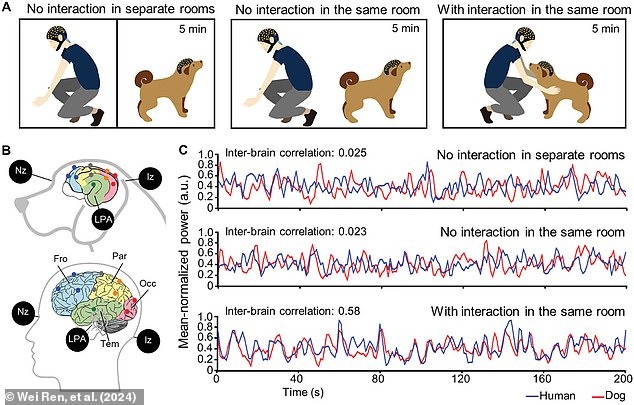
Additional studies suggest that dogs with autism-like traits may display lower levels of neural synchronization with humans during social interactions. In typical human-dog relationships, brain and body activity often become more synchronized while interacting, but this effect appears to be weaker in some dogs showing these behaviors.
Despite these findings, experts caution that diagnosing neurodivergence in dogs remains highly challenging because animals cannot communicate their experiences in the same way humans can. Instead, researchers focus on observable behavioral patterns rather than applying human medical diagnoses directly to animals.

Dr. Boyd emphasizes that neurodiversity likely exists across many species, meaning dogs, like humans, may naturally vary in how they think, learn, and respond to their surroundings. Rather than trying to label a dog as autistic, owners should pay attention to their pet’s individual personality, sensitivities, and behavioral needs.
Experts recommend that owners concerned about persistent behavioral changes seek advice from a veterinarian and consult a qualified animal behaviorist or professional trainer to ensure any underlying medical or behavioral issues are properly addressed.
Why Understanding Canine Behavior Matters
As research into animal cognition and brain function continues to advance, scientists hope to better understand how neurological diversity influences the behavior and well-being of companion animals. Improved knowledge could lead to more effective training methods, better veterinary care, and personalized behavioral support, ultimately helping dogs live healthier and less stressful lives while strengthening the bond between pets and their owners.
Leave a Reply