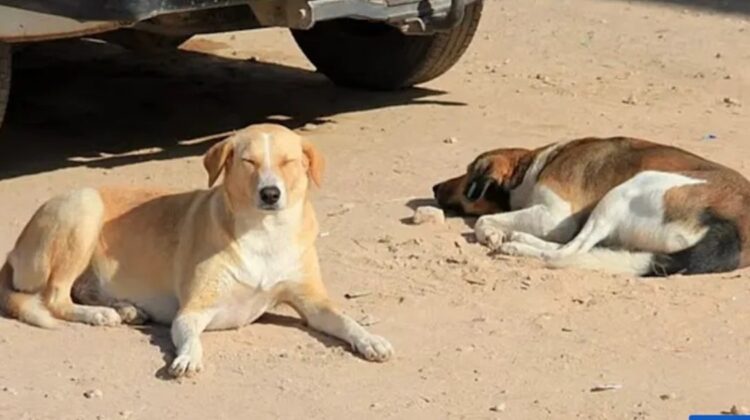
Shocking images of dead and injured dogs have sparked international outrage after animal welfare groups accused Morocco of carrying out mass killings of stray animals ahead of the 2030 FIFA World Cup.
Morocco was confirmed in 2023 as a co-host of the tournament alongside Spain and Portugal. But campaigners claim preparations for the global event have coincided with a brutal crackdown on stray dogs in several cities.
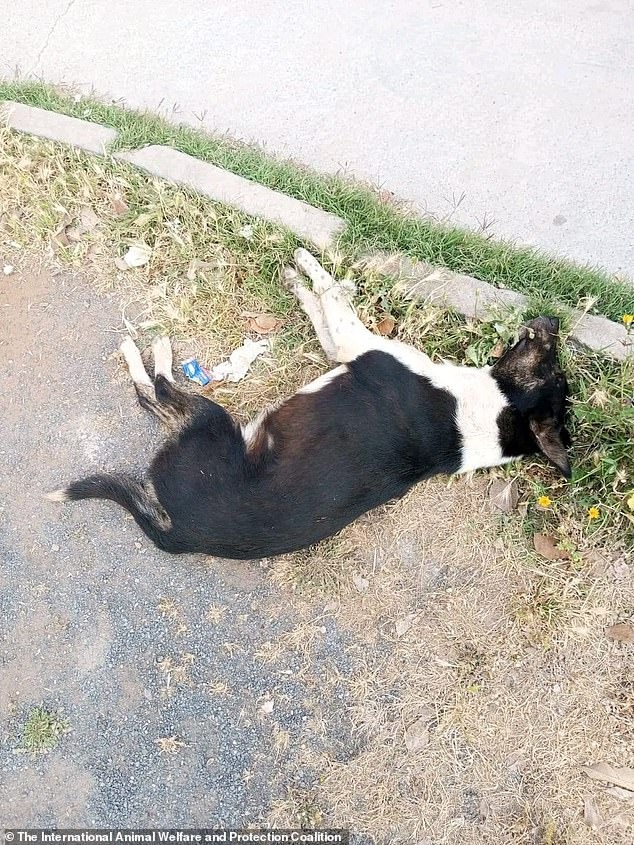
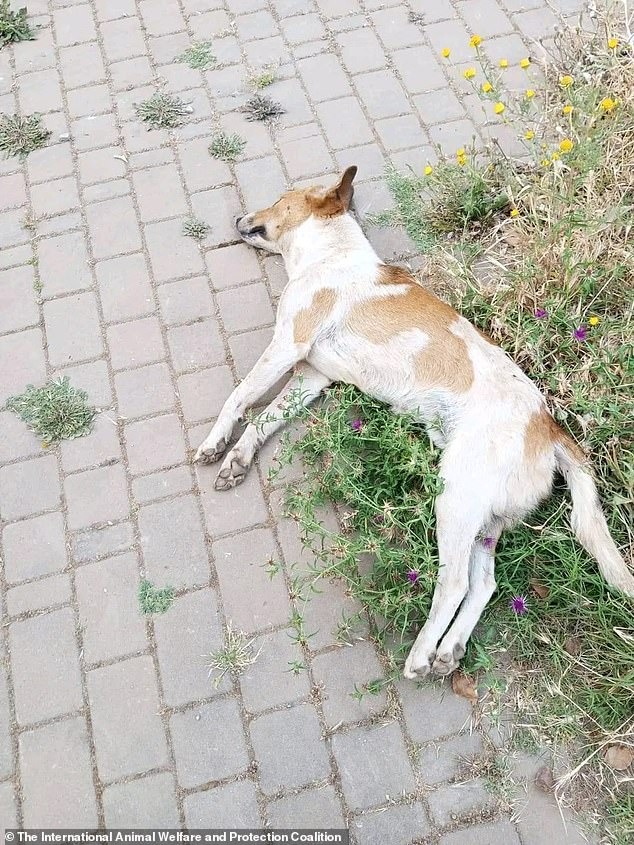
The International Animal Welfare and Protection Coalition (IAWPC) said one alleged incident took place in Salé on May 9, where members of a local animal welfare group claimed dog catchers poisoned several animals.
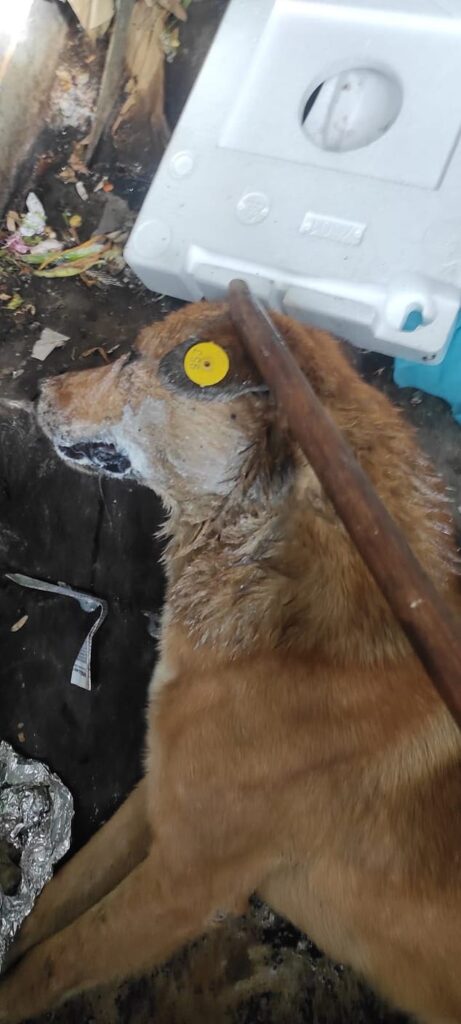
Campaigners said some of the dogs were not simply strays. They had reportedly been sterilized and vaccinated and carried official ear markings identifying them as part of Morocco’s Trap, Neuter and Return (TNR) program.
Morocco has expanded programs aimed at sterilizing, vaccinating and releasing stray dogs as a way of controlling the country’s large population. However, animal welfare groups claim these efforts are being undermined by continued killings.
Morocco Denies Plans for a Dog Cull
Morocco’s Embassy in London has denied claims that the country is carrying out or planning a mass cull of stray dogs ahead of the World Cup.
Officials have pointed to a Trap, Neuter, Vaccinate and Release program launched in 2019, along with investments in veterinary clinics and animal management services.
FIFA has previously said Morocco emphasized its commitment to animal welfare during its World Cup bid and that it is following up with local authorities to ensure those commitments are upheld.
FIFA has also worked with the IAWPC, which brought together legal and animal welfare experts to review Morocco’s draft regulations, with recommendations submitted to Moroccan authorities.
Meanwhile, animal welfare organizations say disturbing photographs of dead and injured dogs suggest that conditions outside official facilities may be very different.
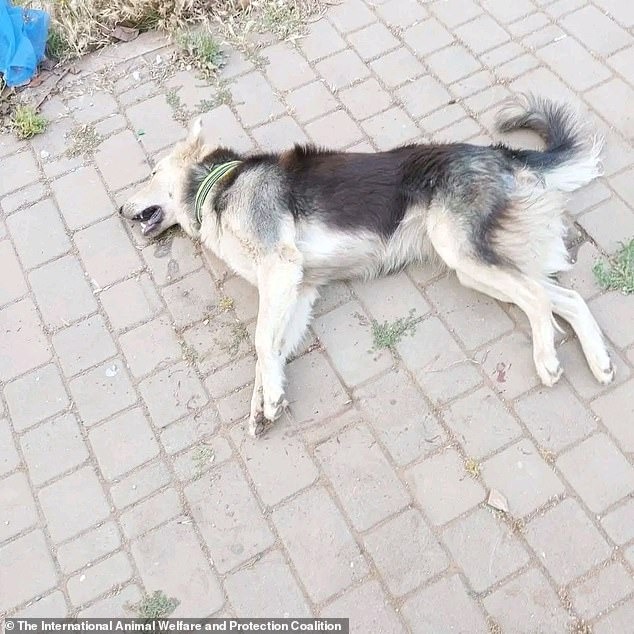
The IAWPC claimed that the alleged deaths in Salé occurred around the same period journalists were invited to visit the El Aarjate facility near Rabat.
Journalists visiting the facility described spacious enclosures, clean floors, fresh food and water, and staff carefully handling the animals.
Campaigners, however, argue that such facilities do not reflect what happens to stray dogs elsewhere in the country.
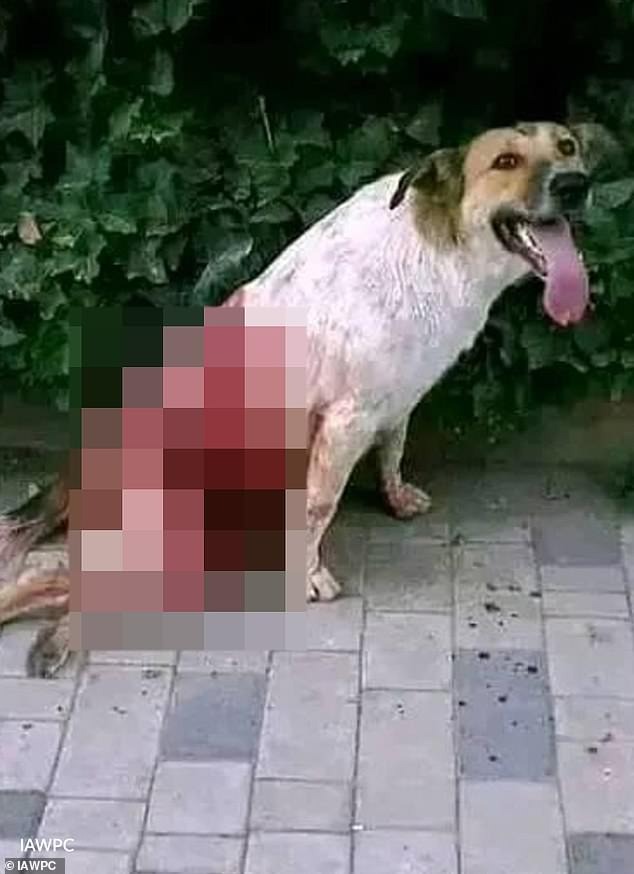
Les Ward MBE, chairman of the IAWPC, said the reported deaths were particularly troubling because some of the dogs had already been sterilized, vaccinated and identified.
Growing International Concern
Other animal welfare groups have also alleged that dogs are being captured, transported away and killed in cities including Marrakech and Agadir.
Images showing wounded and dead dogs have circulated widely online, intensifying public criticism and calls for greater transparency.
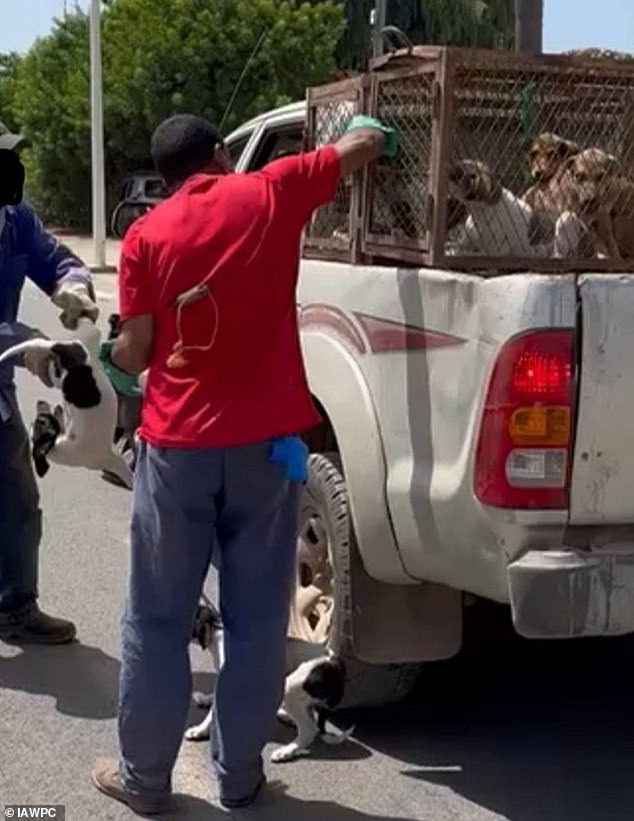
The allegations remain disputed, with Moroccan authorities rejecting claims of an organized nationwide cull.
As Morocco prepares to welcome football fans from around the world in 2030, animal welfare campaigners are calling for stronger monitoring and humane methods of managing stray populations.
Experts and animal advocates generally promote approaches such as sterilization, vaccination, veterinary treatment and responsible adoption as alternatives to unnecessary killing.
Humane Care for Stray Animals
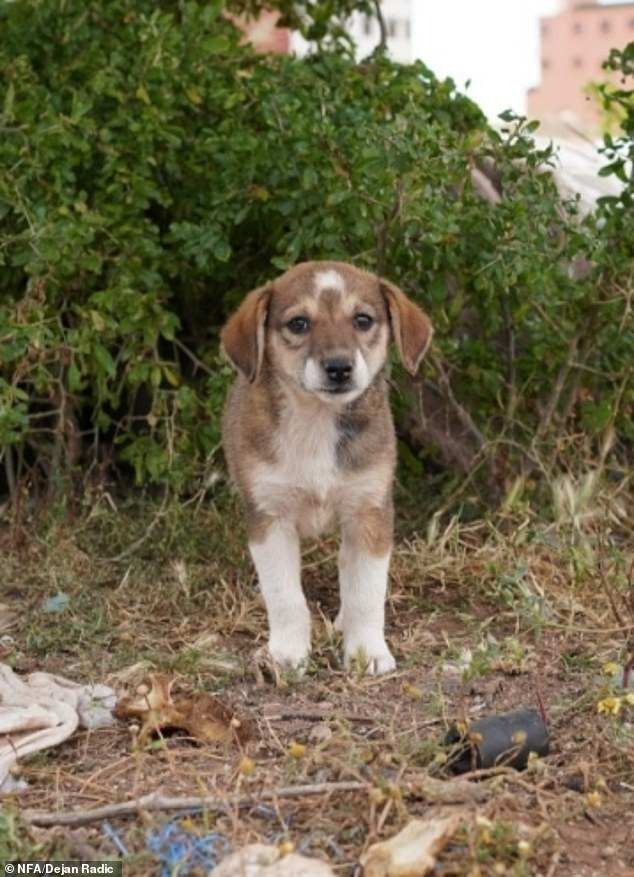
Stray animal populations can create challenges for communities, but humane management can protect both animals and public health. Sterilization, vaccination, veterinary treatment, rescue programs and responsible adoption can gradually reduce populations while preventing unnecessary suffering. For pet owners, regular veterinary care, proper nutrition, vaccination and responsible sterilization are also important steps toward keeping animals healthy and reducing the number of unwanted pets entering shelters or living on the streets.
Leave a Reply