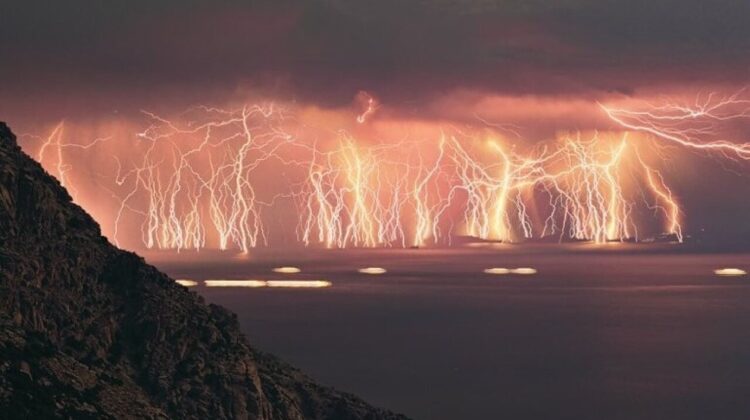
In the heart of Venezuela lies a place of extraordinary wonder, where the rules of nature seem to bend. Lake Maracaibo, once South America’s largest lake, spans an impressive 13,210 square kilometers (5,100 square miles) and boasts the distinction of being one of the oldest lakes on our planet. However, this vast water body is renowned for something far more captivating than its size or age.
Nestled amid the serene landscape of Lake Maracaibo is a unique meteorological spectacle known as Catatumbo lightning. Defying the popular saying that “lightning never strikes the same place twice,” this mesmerizing phenomenon illuminates the sky exclusively in this part of the world.
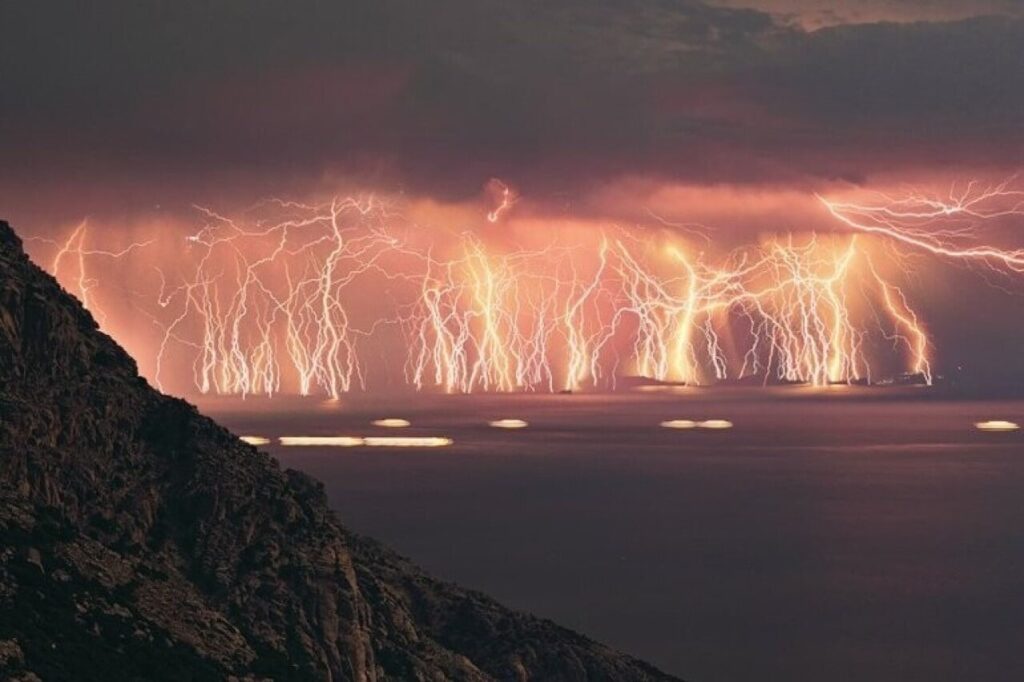
As the rainy season commences around October, the usually tranquil Lake Maracaibo transforms into a captivating dance of light. It is during this time that the region witnesses an awe-inspiring average of 28 lightning flashes per minute. Remarkably, this area holds the world record for the highest concentration of lightning strikes, with an astonishing average of 233 flashes per square kilometer annually. It comes as no surprise, then, that this locale has earned the prestigious title of the world’s lightning capital, as confirmed by a study utilizing data from NASA’s Lightning Imaging Sensor onboard the Tropical Rainfall Measurement Mission.
Catatumbo lightning, aptly named after the local Barí people’s term “House of Thunder,” remains an enigma that continues to fascinate scientists. Although various theories have been proposed to explain the origins of this celestial spectacle, none have been definitively proven thus far. This atmospheric wonder occurs above the mouth of the Catatumbo River, where it converges with Lake Maracaibo, creating a captivating show over a bog area right above this juncture.
The mesmerizing display of Catatumbo lightning originates from immense storm clouds soaring over 1 kilometer (0.6 miles) high. Intriguingly, this dazzling phenomenon materializes during 140 to 160 nights each year, encompassing an astounding 9 to 10 hours per day, with lightning flashing a staggering 16 to 40 times every minute.
Scientists postulate that the unique geography of the region plays a pivotal role in the formation of Catatumbo storms. As winds sweep across Lake Maracaibo and the swampy plains surrounding it, they collide with the imposing mountain ridges of the Andes, the Perijá Mountains (rising to 3,750 meters or 12,000 feet), and Mérida’s Cordillera, enclosing the plain from three sides. This climatic alchemy, coupled with the heat and moisture that accumulates across the plains, leads to the generation of electrical charges and ultimately triggers thunderstorm activity as the air masses become destabilized by the imposing mountain barriers. The outcome is an extraordinary spectacle of nearly continuous lightning, predominantly within the clouds themselves. Interestingly, the lightning discharges a significant amount of ozone, though its impact on the ozonosphere remains negligible due to its inherent instability.

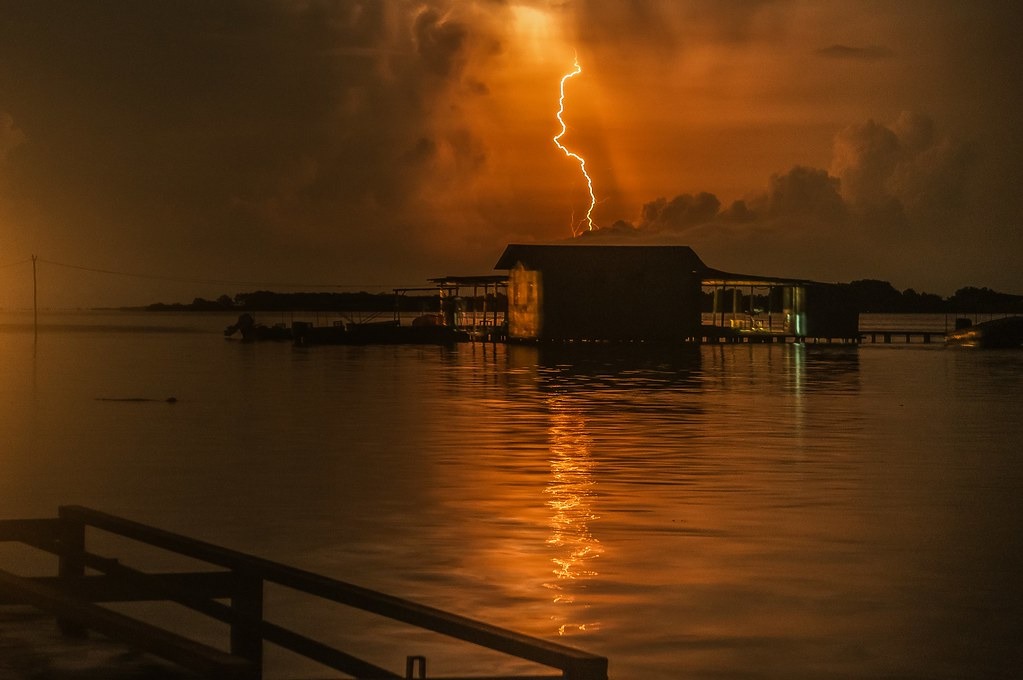
The phenomenon of Catatumbo lightning remains a testament to the boundless mysteries of our planet’s atmospheric conditions. As the world’s most electric place, Lake Maracaibo’s ethereal light show captivates all who behold it, reminding us of the profound intricacies and untamed beauty of the natural world. As scientists continue their quest to decipher the secrets behind this celestial dance, one thing remains certain: the eternal thunder of Catatumbo lightning will forever remain an enduring symbol of nature’s indomitable power and awe-inspiring spectacle.
Leave a Reply