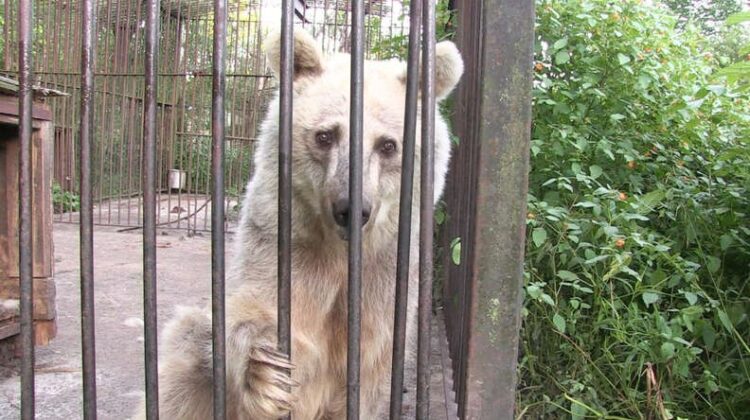
A Syrian brown bear named Fifi spent the first 30 years of her life in captivity at a Pennsylvania roadside zoo, and for 20 of those years she never set a paw outside a small, rusted cage. In 2015 she was moved to a large sanctuary in Colorado, and a video of her recovery went viral. Nearly everything known about her story comes from the animal protection group PETA, which helped arrange the rescue, so the details below are attributed to PETA’s own accounts.
A Cub Raised To Perform
According to PETA, Fifi arrived as a cub at Big Bear Farm Zoo Park, a roadside zoo in Pennsylvania. For roughly her first ten years she and other bears were made to perform tricks for visitors, such as standing on their hind legs, PETA said. One of the other bears, Bruno, was reportedly made to ride a bicycle in circus-style acts.
Twenty Years In A Cage
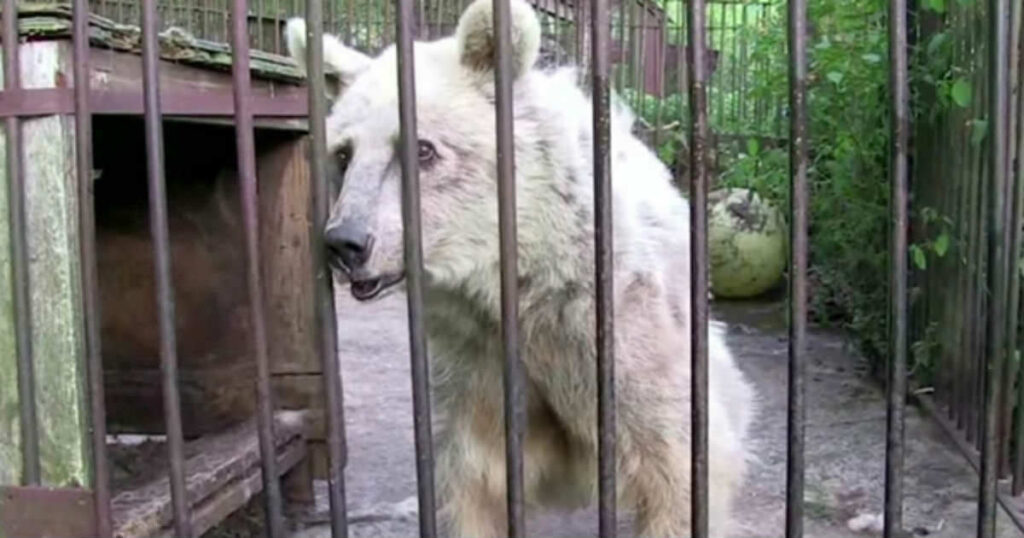
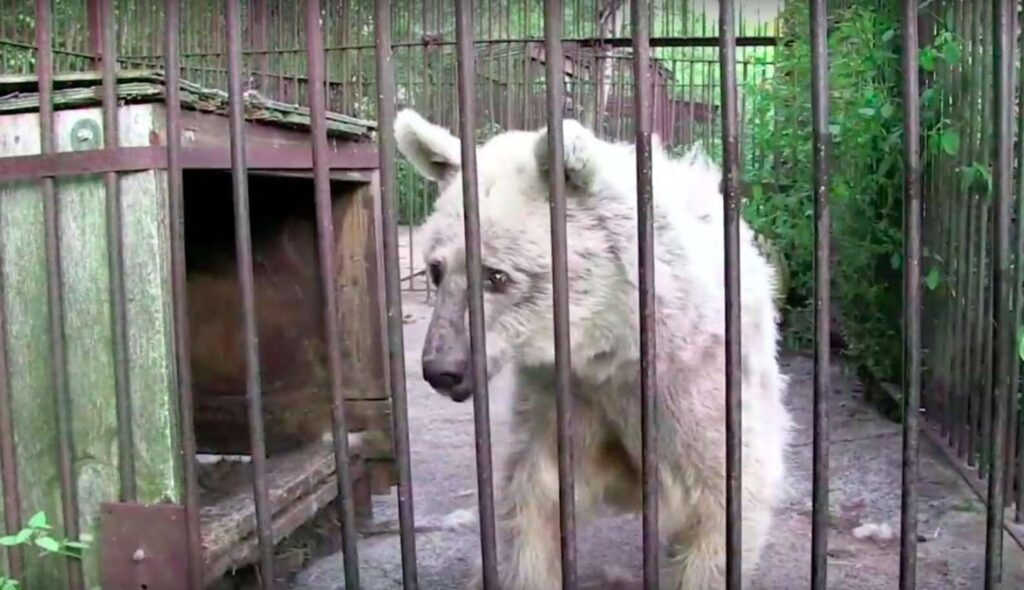
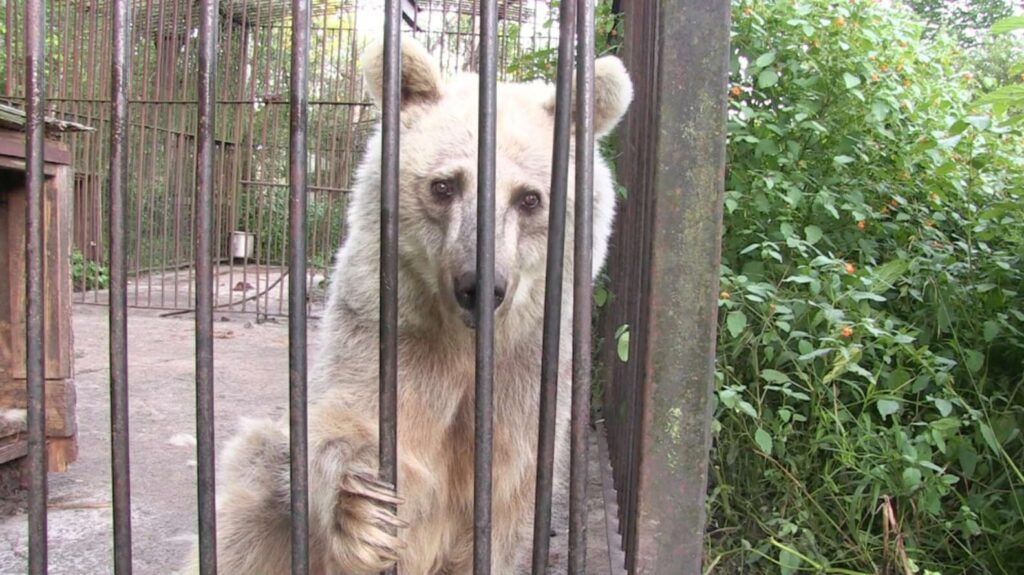
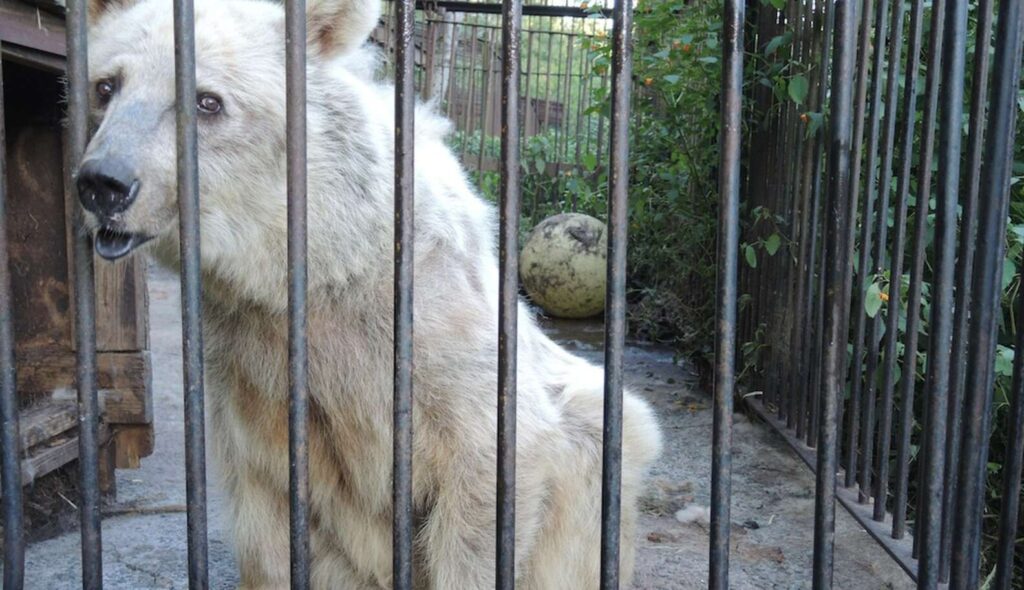
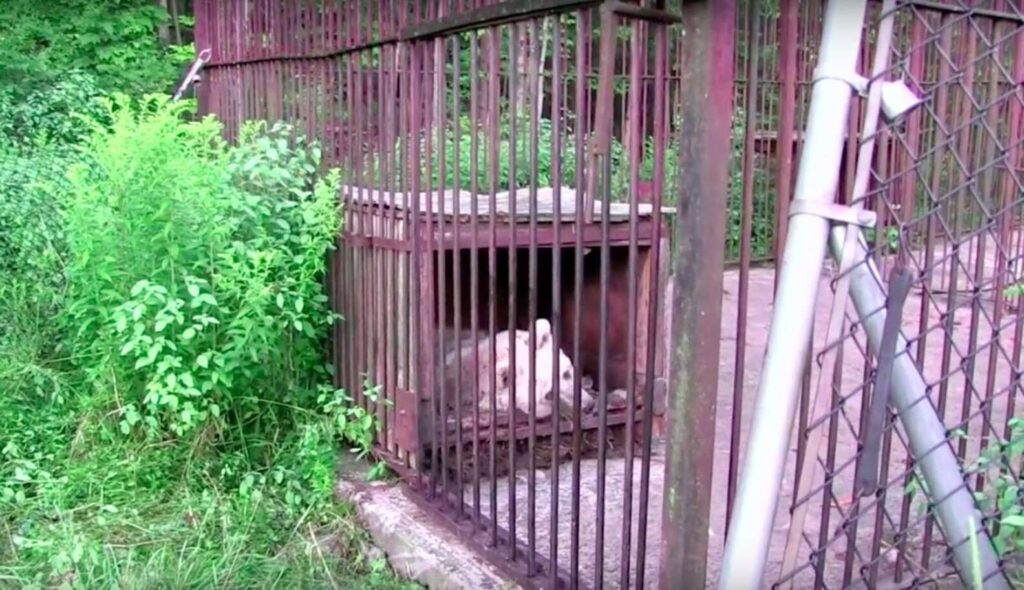
PETA says the zoo closed in 1995, but the bears were not moved. Fifi and three other bears were left in small, rusty cages, and for the next two decades they did not leave them, per PETA’s account of the case. Her shelter was little more than a dilapidated doghouse.
PETA also says the zoo repeatedly violated the federal Animal Welfare Act. I could not independently verify that claim, so it should be read as PETA’s allegation.
Some retellings of the story say Fifi was locked up for a decade while the owner waited for a buyer. That detail doesn’t appear in PETA’s accounts, which say only that the owner wanted to “get rid of” the bears.
The 2015 Rescue
PETA says a whistleblower alerted it to the bears’ situation in 2015. PETA then arranged for a bear expert to assess whether the animals were healthy enough to travel. With approval, the group and The Wild Animal Sanctuary in Colorado moved all four bears, accompanied by two veterinarians, according to PETA.
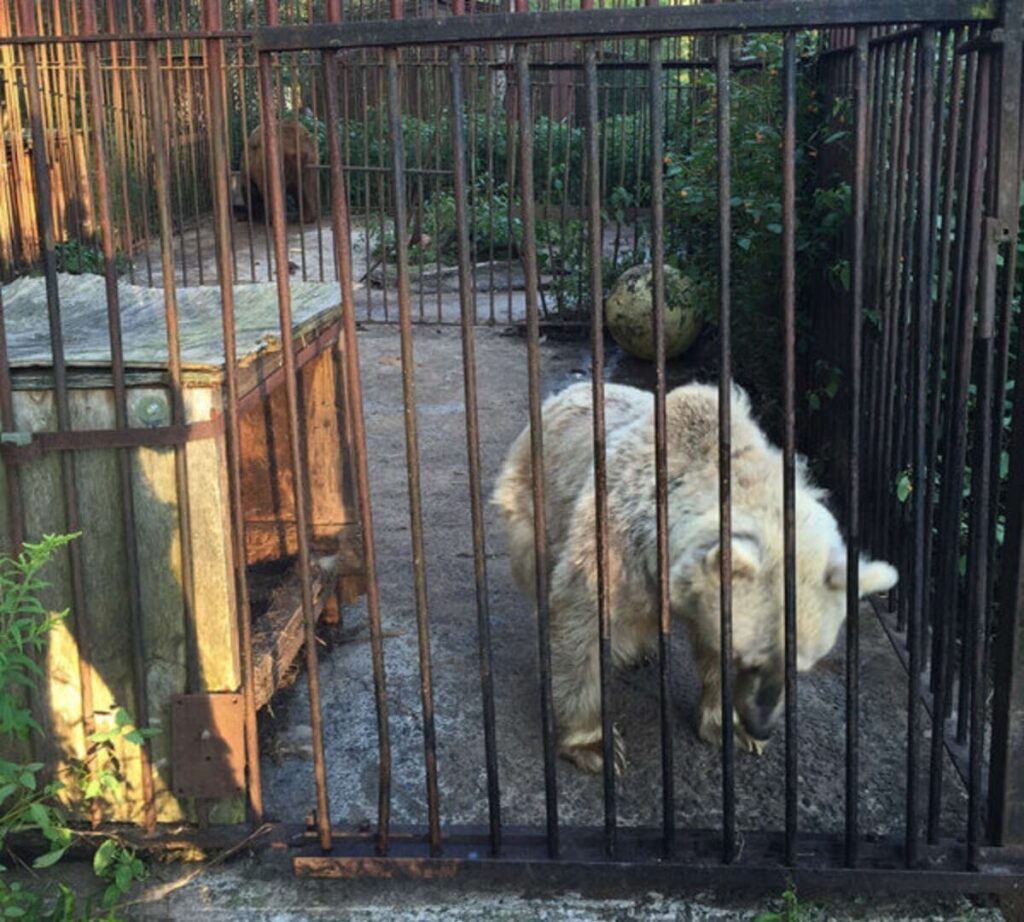
By then Fifi was around 30 years old and in poor shape. She was underweight, her coat was thin, and she had difficulty walking because of what appeared to be severe arthritis in her hind legs.
A New Life In Colorado
When the cage doors opened at the sanctuary, the other three bears were cautious. Fifi, by PETA’s description, headed straight for a tub of water.
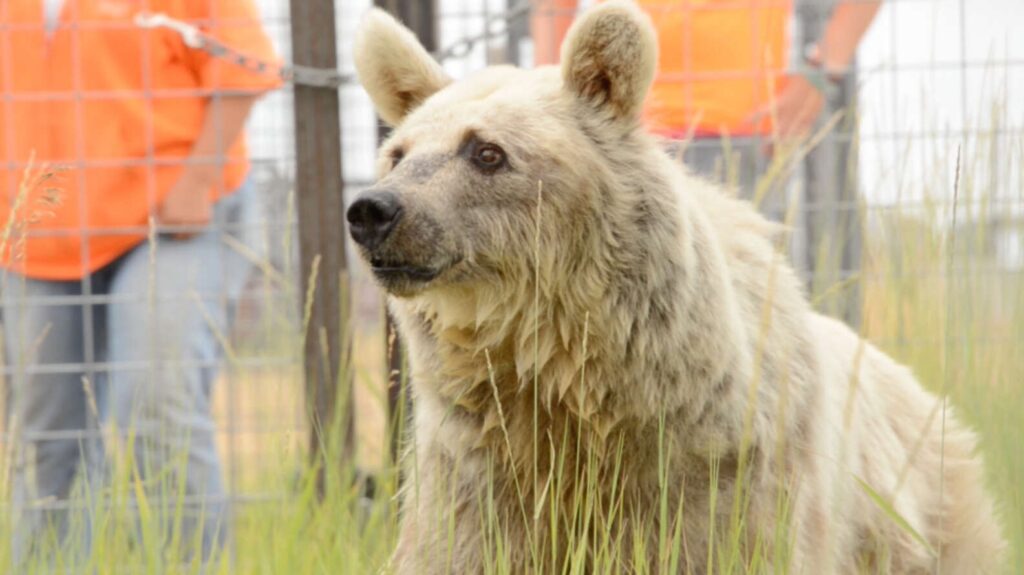
After several weeks of veterinary care, more space and natural ground to walk on, PETA says her walking improved. Within five months her coat was full and her legs were getting stronger. In the winter of 2015 to 2016 she hibernated in a den for the first time in her life, according to a PETA statement reposted on All-Creatures.org.
A video showing her transformation became widely shared, and PETA later said it helped turn Fifi into a symbol in campaigns against keeping bears in small enclosures.
Fifi’s Death
PETA later announced Fifi’s death in a tribute post. The tribute says she had been transformed within a few months at the sanctuary and shows the story of the video that spread worldwide. I could not find a confirmed date for her passing in the sources I reviewed.
Why Roadside Zoos Draw Criticism
Roadside zoos are privately run attractions that keep wild animals for public display, sometimes in small enclosures. Animal protection groups say these facilities often lack space, enrichment and veterinary care, while the owners of many such attractions say they care properly for their animals. Standards vary, and in the United States animal exhibitors are regulated under the Animal Welfare Act.
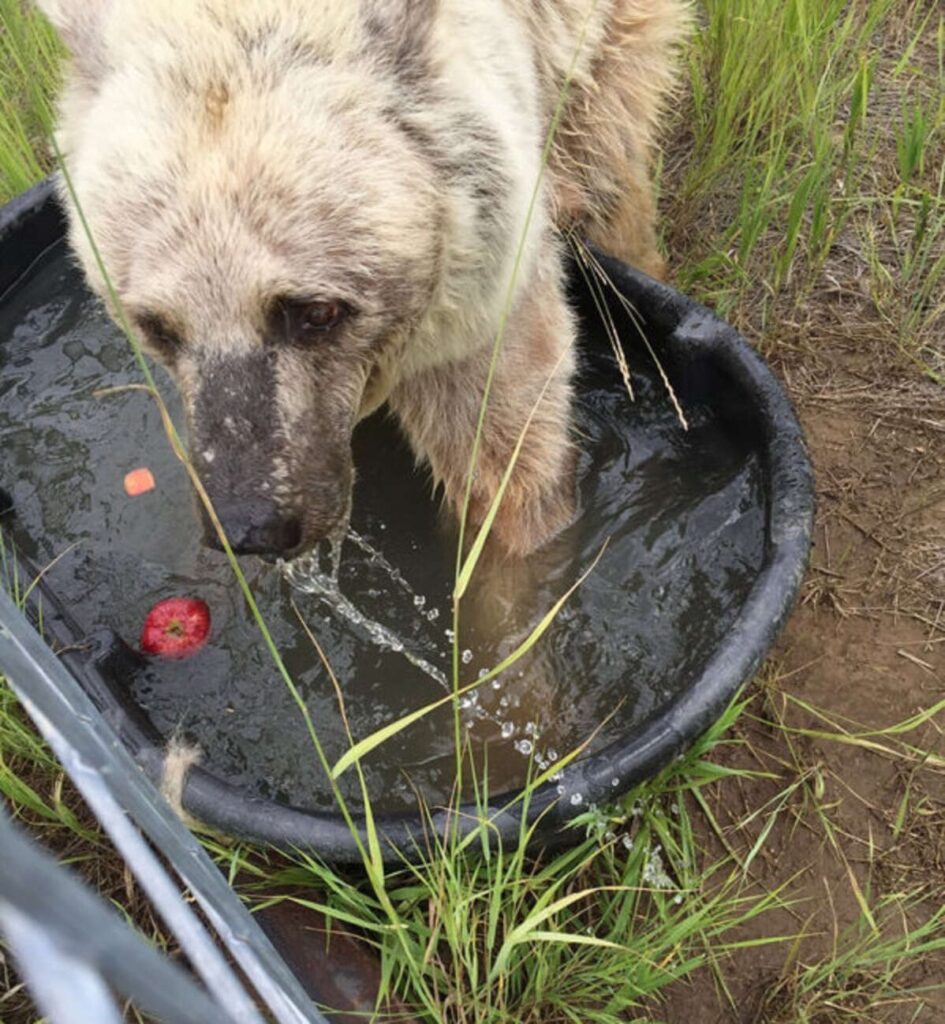
Sanctuaries like The Wild Animal Sanctuary in Colorado, in contrast, provide large natural habitat and don’t breed, sell or exhibit animals for entertainment, according to their own descriptions.
Frequently Asked Questions
Who was Fifi? A Syrian brown bear who spent about 30 years in captivity at a roadside zoo in Pennsylvania before being moved to a Colorado sanctuary in 2015.
Who rescued her? PETA arranged the rescue together with The Wild Animal Sanctuary in Colorado, after a whistleblower reported the bears’ conditions.
How long was she in a cage? About 20 years without leaving the enclosure, after the zoo closed in 1995, according to PETA. Before that she spent roughly ten years performing.
What health problems did she have? She was underweight and had what appeared to be severe arthritis in her hind legs.
What happened to the other bears? Three other bears named Bruno, Pocahontas and Marsha were moved with her to the same sanctuary.
Is Fifi still alive? No. PETA later published a tribute announcing her death.
Sources: PETA (articles on Fifi’s rescue and tribute), The Wild Animal Sanctuary, All-Creatures.org (reposting PETA’s August 2016 update), and Panamericana.
Leave a Reply