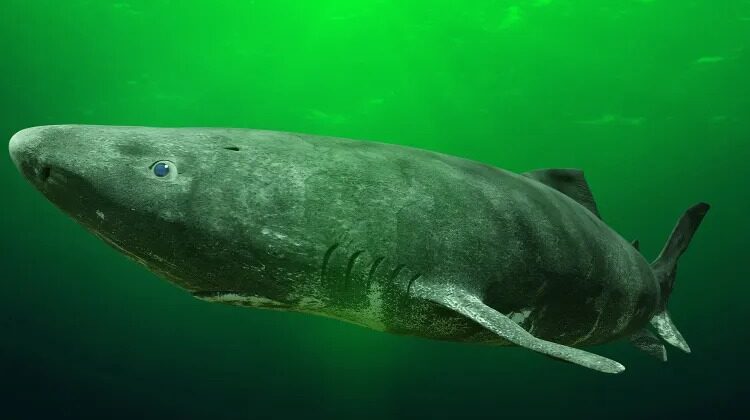
The Greenland shark is the slowest shark in the sea, and perhaps the longest-lived vertebrate on Earth. A municipality on Greenland’s west coast recently approved a bounty to kill 1,000 of them, setting fishers who say the animals are wrecking their livelihoods against scientists who warn the plan could backfire.
A Bounty on a Centuries-Old Shark
In February, the municipal board of Avannaata voted to offer 300 Danish kroner (about $45) for each Greenland shark heart, targeting 1,000 sharks. According to Oceans North Kalaallit Nunaat (ONKN), the 300,000-kroner program was to be paid from the municipality’s pest control budget.
The plan was later dropped after Greenland’s government questioned its legality, as reported by The Guardian. But conservationists fear the idea could return.
Why Fishers Are Frustrated
Greenland sharks eat the same halibut and cod that local fishers target, and they often get tangled in lines. Henrik Jensen, a halibut fisher in Ilulissat, told The Guardian that he had lost around 6,000 hooks this year, and that shark damage can cost him as much as 30,000 kroner in a single day. Avannaata’s mayor, Lars Erik Gabrielsen, said the aim was to protect fishers’ income and the catch so that families can keep eating foods they have relied on for generations.
The pressure is real. Fishing accounts for about a quarter of Greenland’s GDP, and fishers report rising costs, shrinking catches and competition from offshore trawlers.
Why Scientists Say It Won’t Work
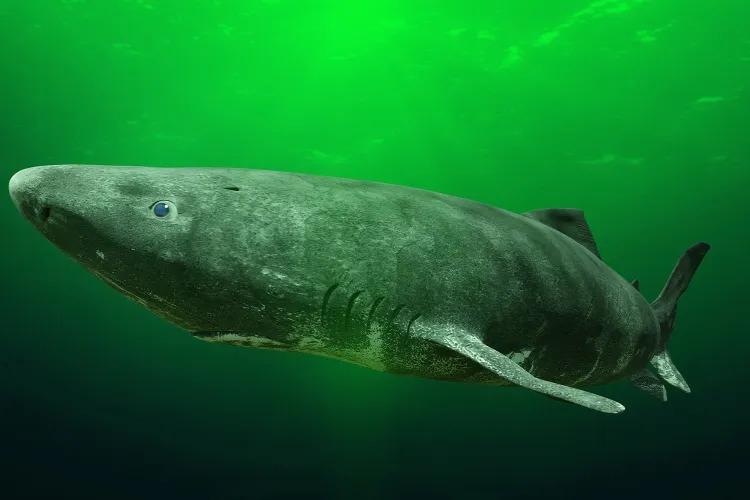
Greenland sharks are thought to reach maturity at around 150 years old and live more than 400 years, so their numbers recover extremely slowly. The IUCN listed the species as Vulnerable in 2020. Nick Dulvy, a marine conservationist at Simon Fraser University, told The Guardian they are probably “the most sensitive species in the ocean to overfishing.”
ONKN also argues that the cull would not even work. Because the sharks roam widely, it says, new ones would move in to replace any that were killed. Discarded carcasses could draw still more sharks to fishing grounds, since they rely heavily on their sense of smell. “A Greenland shark cull is not a long-term solution,” said ONKN adviser Parnuna Egede Dahl. Shark researcher Julius Nielsen called a bounty of this size a risky path.
The Bigger Problem
Conservationists say the shark is taking the blame for deeper trouble in the fishery. ONKN director Jenseeraq Poulsen told The Guardian that sharks are the visible symptom of a problem “whose real drivers are structural”: too many boats chasing limited quotas, rising costs and few alternative jobs.
ONKN has proposed compensating fishers for lost gear and testing acoustic shark deterrents. Rebekka Nygård Bak, an adviser to Greenland’s fisheries ministry, said rules requiring bycatch-friendly gear and better bycatch reporting could also help. Not every fix is guaranteed, however, and a Canadian study found that one deterrent hook design did not stop Greenland sharks from taking bait.
Supporting Fishers and the Ocean
Stories like this raise questions about how to protect both ocean wildlife and fishing communities. A few options:
- Sustainable seafood. Look for MSC-certified seafood or sustainable seafood delivery services that favor responsibly managed fisheries.
- Commercial fishing insurance. For those in the industry, fishing vessel insurance and gear loss coverage help absorb costly losses.
- Arctic travel. Greenland tours, Arctic expedition cruises and wildlife-watching trips support local tourism.
- Ocean conservation. A donation to an ocean conservation group funds research on slow-growing species.
Frequently Asked Questions
How long do Greenland sharks live? Scientists believe they can live more than 400 years and reach maturity around age 150.
Is the Greenland shark cull happening? No. The plan was dropped after Greenland’s government questioned its legality, though conservationists fear it could return.
Why do fishers want sharks removed? Sharks damage gear and eat hooked fish, causing losses for halibut and cod fishers.
Is the species protected? The IUCN lists it as Vulnerable, and it is also caught accidentally in fisheries around the world.
Sources: Oceans North, GB News, CRBC News, and Rolling Out, all covering Avannaata’s 2026 proposal to pay fishers to kill 1,000 Greenland sharks and the conservation debate that followed.
Leave a Reply