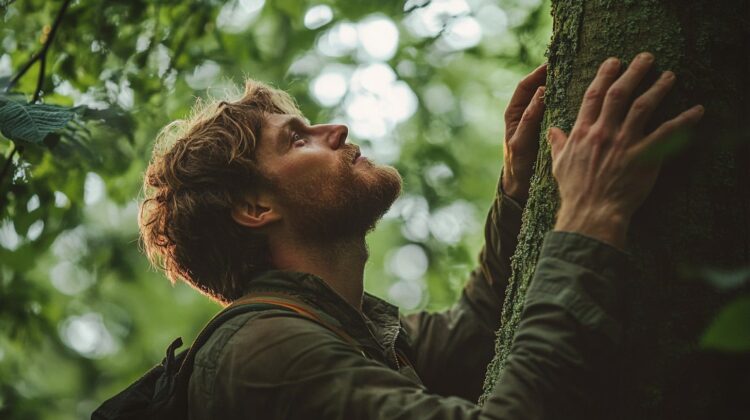
Modern life keeps many of us indoors and on screens, and a lot of people are looking for simple ways to slow down. One that has caught on is “tree grounding”: standing barefoot on the earth with your hands on a tree and breathing slowly for a while. It combines two popular ideas, earthing (contact with the ground) and spending quiet time among trees.
It’s an easy, free practice that many people find calming. It’s also surrounded by big claims, so here is how to try it and what research does and doesn’t support.
How To Practice Tree Grounding
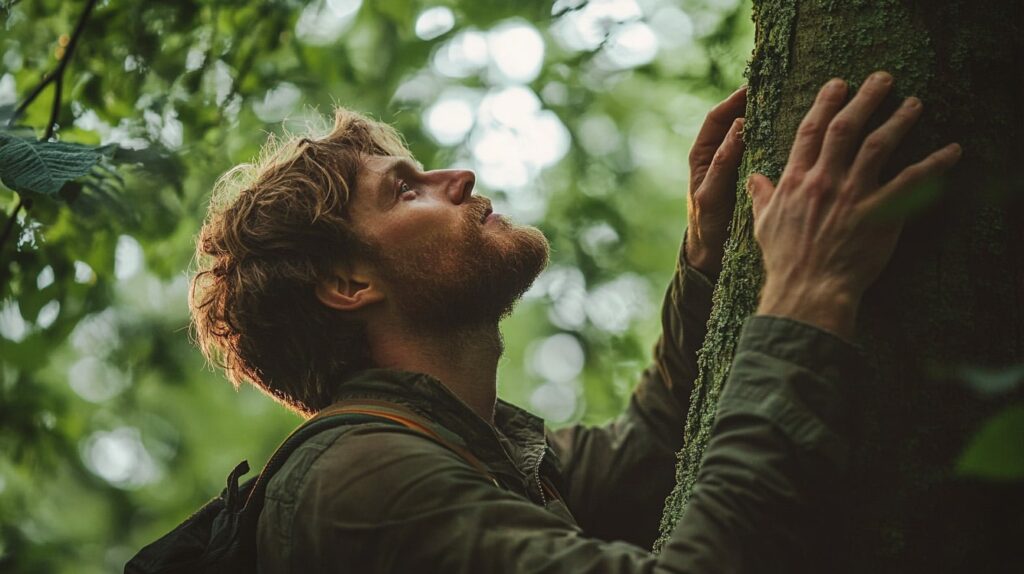
- Choose a healthy, sturdy tree in a quiet spot. Pick one that you feel drawn to. Avoid dead or damaged trees and anything with thorns.
- Check the ground first. Look for glass, sharp objects, thorns and animal waste before taking off your shoes.
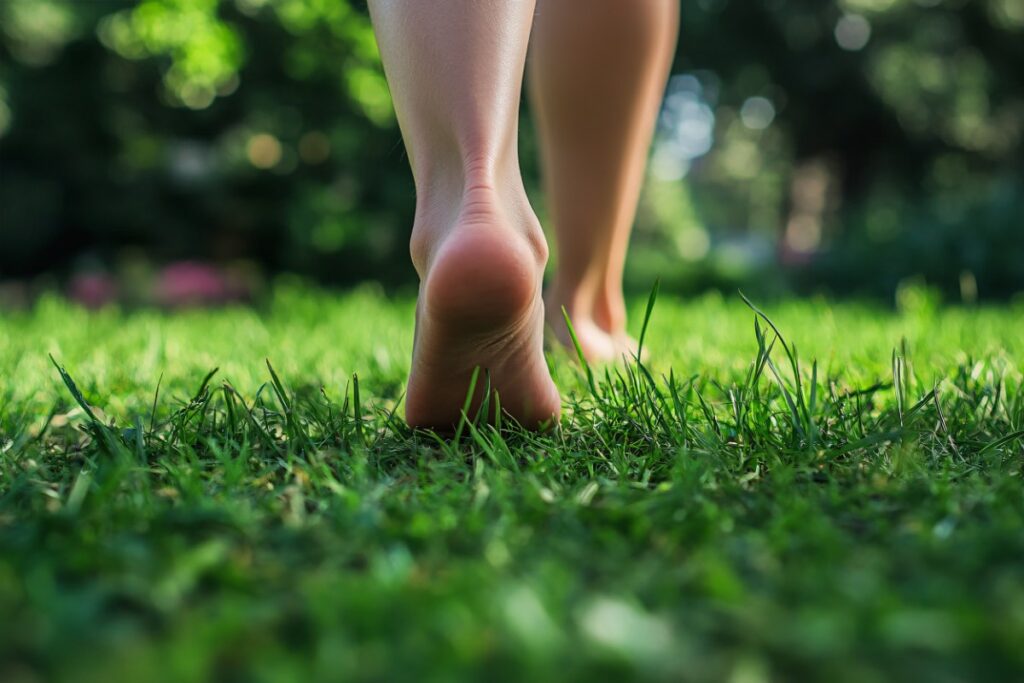
- Stand barefoot near the roots. Let your weight settle evenly through your feet.
- Rest your palms on the bark, or lean gently against the trunk, whichever feels comfortable.
- Breathe slowly. Inhale through your nose, exhale for a little longer, and notice sounds, smells and textures around you.
- Stay as long as it feels good. Many people spend 15 to 30 minutes, but there is no required time.
Some practitioners add a visualization, imagining stress flowing down into the earth and fresh calm flowing back through the tree. That image can be a helpful focus for the mind. It is a mental exercise, not a physical process that scientists have measured.
What The Research Says About Spending Time Among Trees
The strongest evidence relates to forest bathing, or shinrin-yoku, the Japanese practice of slow, mindful time in a forest.
A 2021 review of 11 systematic reviews covering 131 studies concluded that forest-based activities show beneficial effects for high blood pressure, stress, and conditions such as depression and anxiety, according to PubMed. The same review found weaker evidence for other outcomes and said changes in immune and inflammatory markers still need verification.
Claims about immune benefits, including higher natural killer cell activity, come mostly from small studies, and independent reviewers say the evidence needs more confirmation.
Stress hormones are a more mixed picture. A 2019 meta-analysis of forest bathing and cortisol found a benefit, but the authors suggested that anticipating a nature outing may play a bigger role than the forest itself, Medical News Today reported. An earlier systematic review of six randomized trials found positive results but rated all the studies as having a high risk of bias, per PubMed.
What The Research Says About Going Barefoot
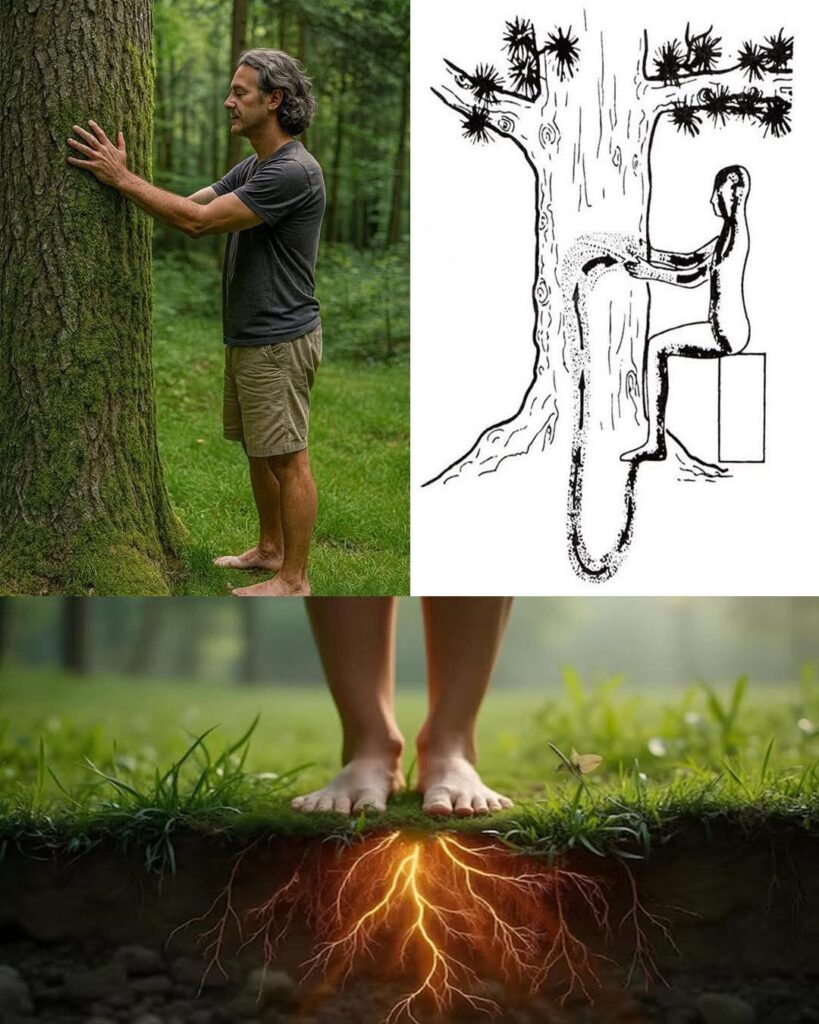
Earthing research asks whether direct skin contact with the ground transfers electrons that reduce inflammation, pain and stress. Proponents point to small studies reporting better sleep and lower pain. A widely cited review of that research noted that its studies used indoor conductive systems designed to simulate being barefoot outdoors, as published in the Journal of Environmental and Public Health. Other reviewers describe the evidence as limited and inconclusive.
In short, there’s no solid evidence that touching a tree barefoot moves “energy” between you and the tree, or that it improves circulation or the immune system beyond what quiet time in nature already offers. The benefits you may notice most likely come from slowing down, breathing deeply, being outdoors and paying attention to the present moment.
Staying Safe
- Check for hazards such as broken glass, thorns, ticks, ants and stinging insects, and avoid poison ivy or similar plants.
- Skip it in thunderstorms. Never shelter under or touch a tree during lightning.
- Take care with foot health. If you have diabetes, nerve damage or reduced feeling in your feet, ask your doctor before going barefoot outdoors.
- Respect the tree. Be gentle with the bark and avoid climbing or damaging protected or fragile trees.
- Practice is not medical treatment. It can complement, but not replace, care for anxiety, depression or other health conditions.
Frequently Asked Questions
Is tree grounding scientifically proven? Not as described. Time in forests has research support for lowering stress and blood pressure, but there is no solid evidence for energy exchange between people and trees.
How long should I stay? Many people try 15 to 30 minutes, but any amount of calm time outdoors can help.
Do I need to be barefoot? No. Touching a tree and breathing slowly works in shoes, too. Barefoot is a personal choice.
What kind of tree is best? Any healthy, stable tree in a safe, quiet place. Choose one you feel comfortable with.
Can grounding treat a medical condition? No. It can support relaxation, but it isn’t a substitute for medical care.
Sources: PubMed (2021 systematic review of systematic reviews on forests and health), Medical News Today (coverage of the 2019 cortisol meta-analysis), PubMed (2017 systematic review of forest therapy RCTs), and the Journal of Environmental and Public Health (earthing review).
Leave a Reply