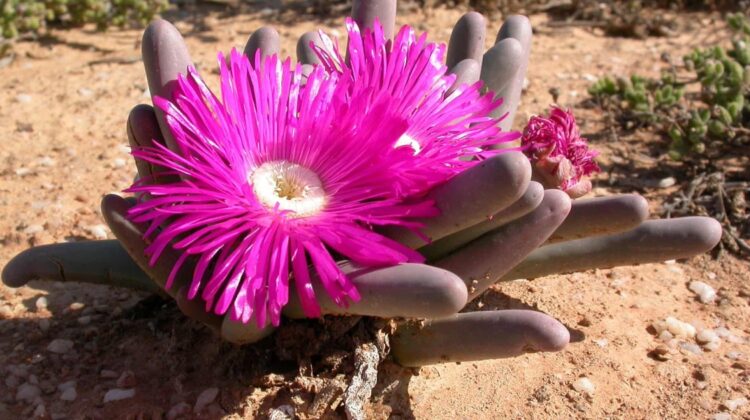
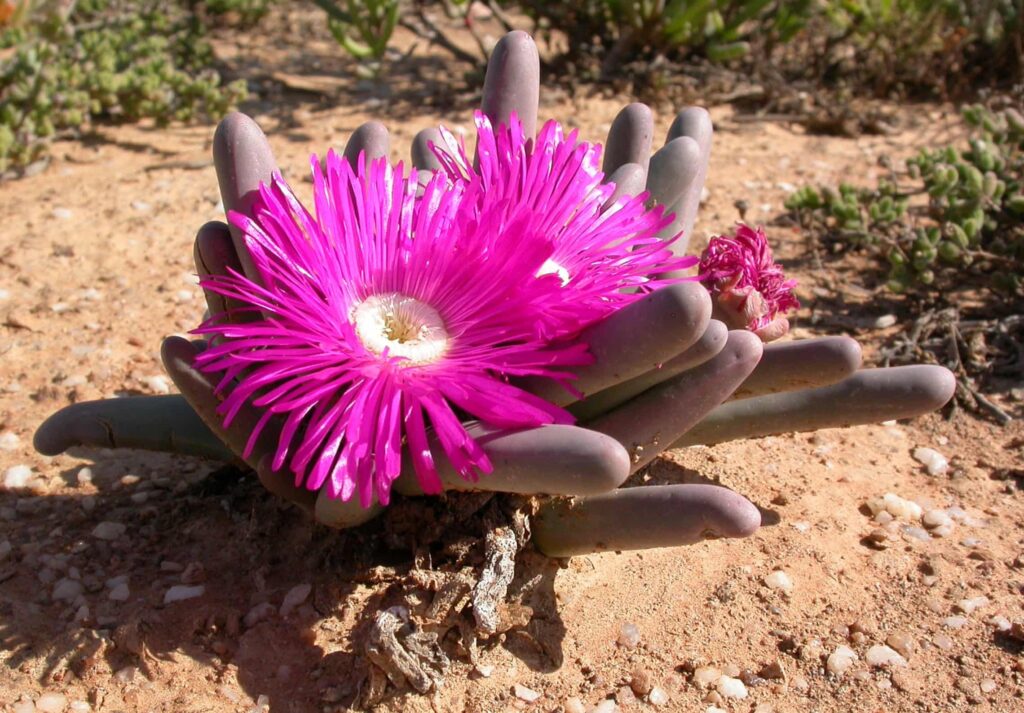
The Richtersveld, a desert landscape nestled in the northwestern corner of South Africa, is home to a remarkable array of unique succulents, including the finger-shaped leafed Argyroderma fissum, affectionately known as vingervygies in Afrikaans. However, these rare and extraordinary plants are under threat, as the Richtersveld faces the rampant practice of succulent smuggling.
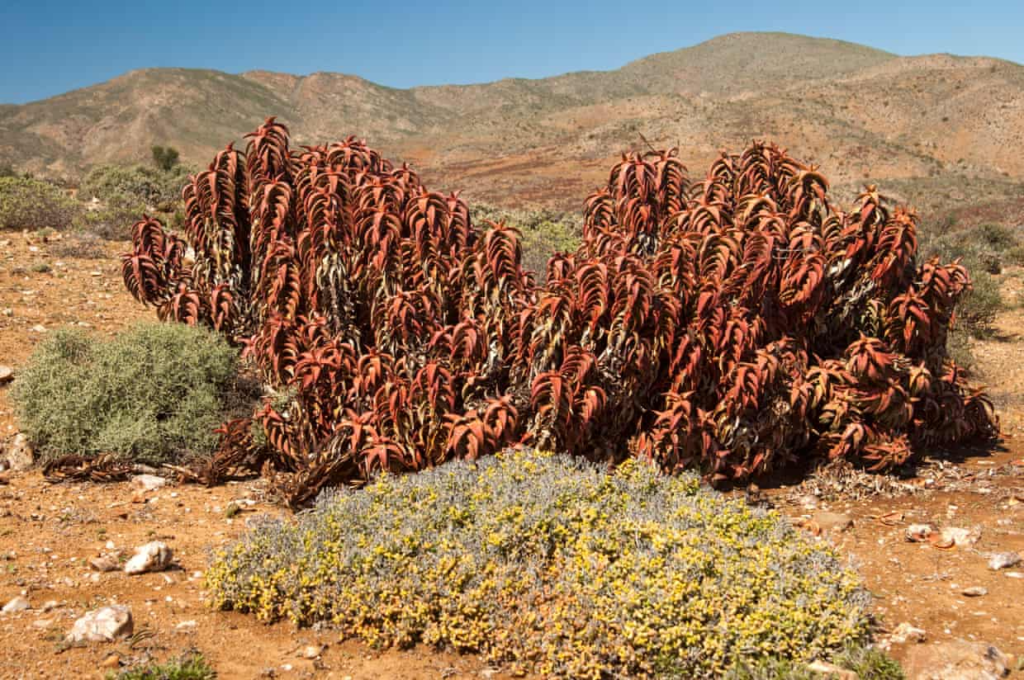
In May 2020, a glimmer of hope emerged when rainfall graced the Sendelingsdrif Rest Camp after nearly a decade of arid conditions. Pieter van Wyk, a self-taught botanist heading the Richtersveld national park’s nursery, witnessed several species flower for the first time in years. However, this fleeting respite did little to alter the sobering reality that numerous species, particularly large succulent plants like aloes, teeter on the brink of extinction. Recent studies conducted by Van Wyk and his colleagues indicate that a staggering 85% of the population of Pearson’s aloe (Aloe pearsonii), endemic to the Richtersveld, has vanished in the past five years after maintaining a stable presence for four decades.
Pearson’s aloe is just one among many species that Van Wyk fears may disappear within his lifetime. These plants face multiple threats, with the climate emergency and rampant poaching posing the most significant challenges.
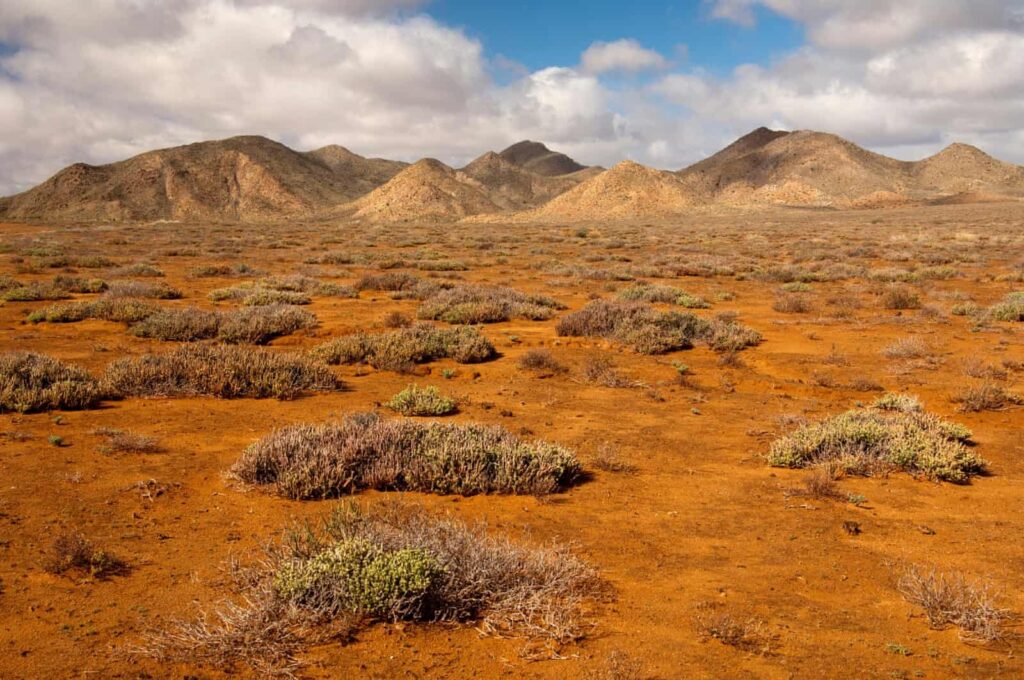
Under normal circumstances, the Richtersveld’s unique position at the intersection of three biomes, coupled with its geological complexity and its straddling of winter and summer rainfall regions, makes it a paradise for botanists. Boasting over 3,000 plant species, including 400 endemic to the region, it proudly claims the title of “the most biologically diverse desert in the world,” as Van Wyk aptly describes it.
Sadly, it is precisely this diversity of rare succulents that attracts poachers. Many Richtersveld species are highly specialized, growing only in specific valleys or on particular mountain slopes. In extreme cases, an entire species can be confined to an area smaller than a football pitch, rendering it susceptible to extinction at the hands of a single poacher. Van Wyk suggests that plant poaching may even rival the lucrative rhino horn industry in profitability.
The poachers target endangered species, fetching exorbitant prices on the black market. Despite the strict illegality surrounding the sale of such plants, poachers brazenly advertise their plunder on social media platforms. Richtersveld dwarf succulents top the poachers’ hit list, but species across southern Africa fall prey to this illegal trade. Crime syndicates sell the pilfered plants in Asia, Europe, and North America, often subcontracting the actual poaching to desperate South Africans. In one instance, a tipoff led to the confiscation of 15,000 specimens of a single Conophytum species in just four months of 2019. Additionally, two South Koreans were fined £250,000 for the illegal possession of 60,000 Conophytum plants in 2020. Unfortunately, confiscated plants can never be returned to their natural habitats, overwhelming botanical nurseries.
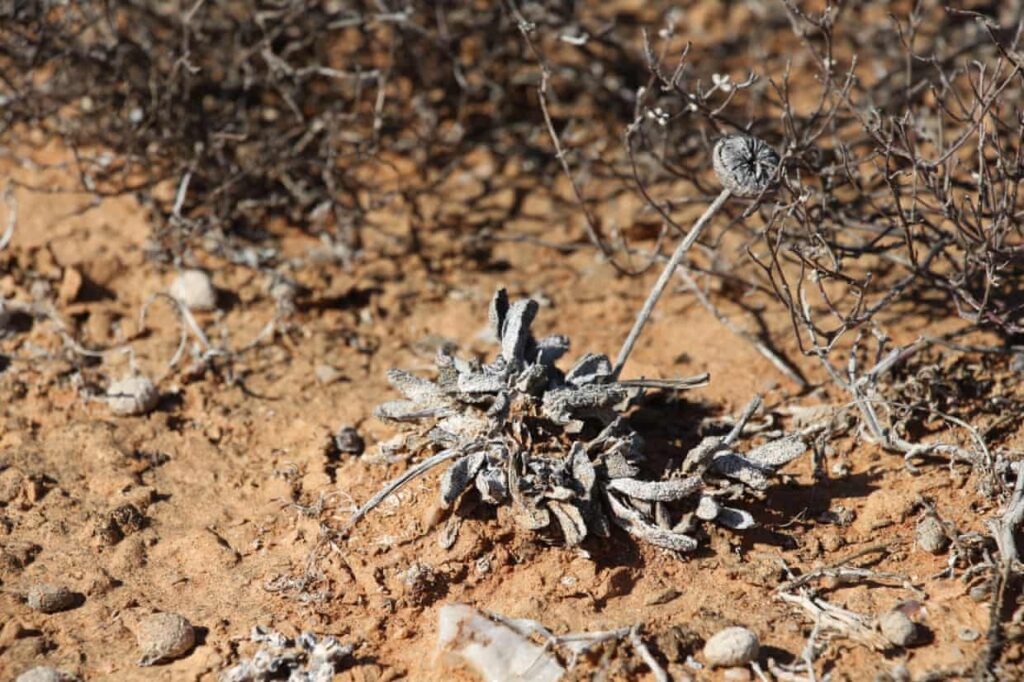
With limited police resources and vast stretches of semi-desert terrain, it is highly likely that a significant number of plants are being smuggled out of the country undetected. Over 30 species of Conophytum appear on South Africa’s red list of threatened species, with widespread poaching exacerbating their plight, according to the South African National Biodiversity Institute.
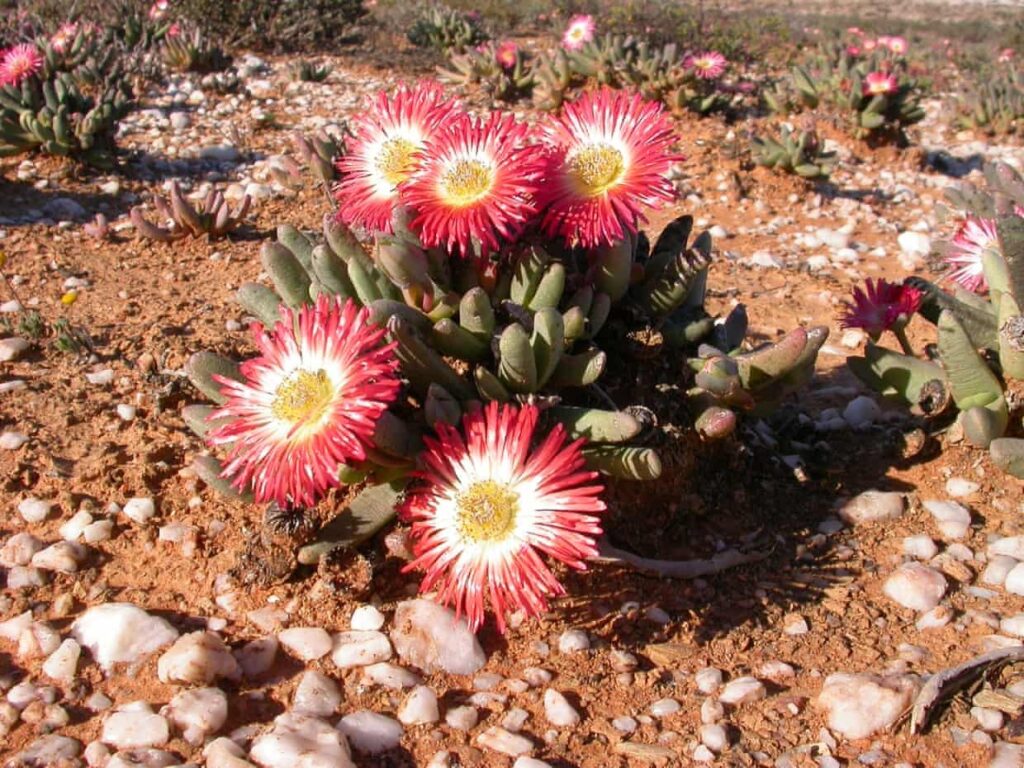
Simultaneously, the climate emergency poses a severe threat to extreme ecosystems like the Richtersveld. The Intergovernmental Panel on Climate Change (IPCC) projects temperature increases between 3.4°C and 4.2°C for the region, accompanied by drier and windier climates. The rising temperatures intensify the water requirements for plant survival, yet lower rainfall leaves the soil parched. The problem is further compounded by increasingly powerful coastal winds known as “berg winds,” which used to be followed by replenishing rains. However, the rains have dwindled, leading to millions of tons of dust, topsoil, and seeds being blown into the sea, depriving the fragile ecosystem of essential resources. In September 2019, satellite imagery captured a single storm blowing a plume of detritus over 400 miles into the Atlantic Ocean.
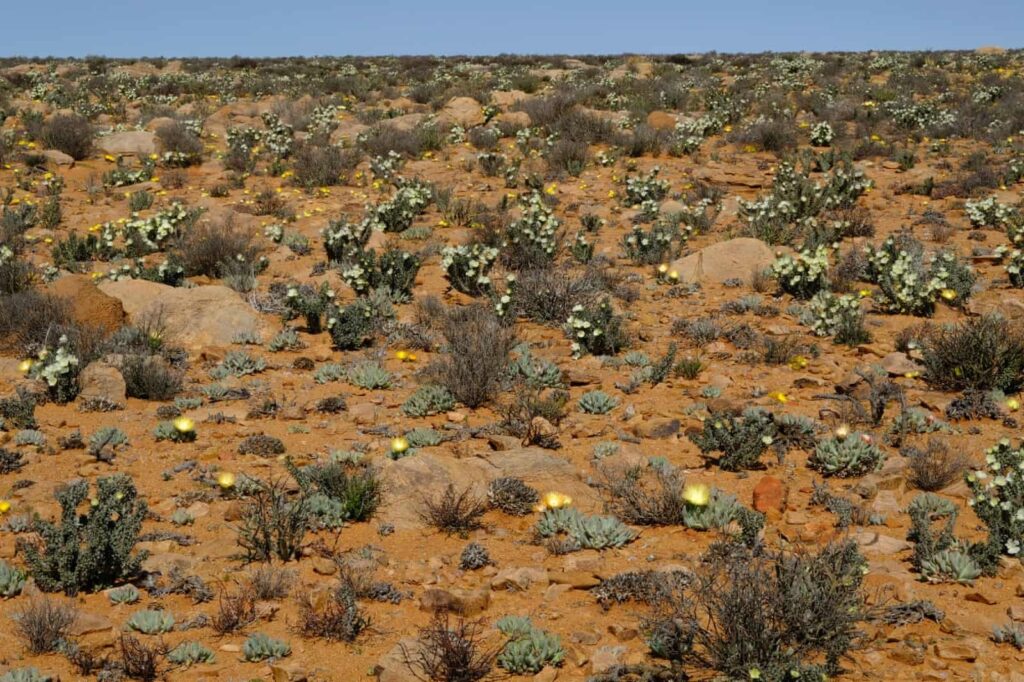
As succulent smuggling and the climate crisis threaten South Africa’s precious desert plants, urgent action is needed to protect and preserve these natural treasures. Strengthening law enforcement efforts, raising public awareness, and implementing conservation measures are crucial steps in safeguarding the Richtersveld’s remarkable biodiversity. It is imperative that we recognize the ecological and cultural significance of these plants, taking collective responsibility to ensure their survival for future generations.
Leave a Reply