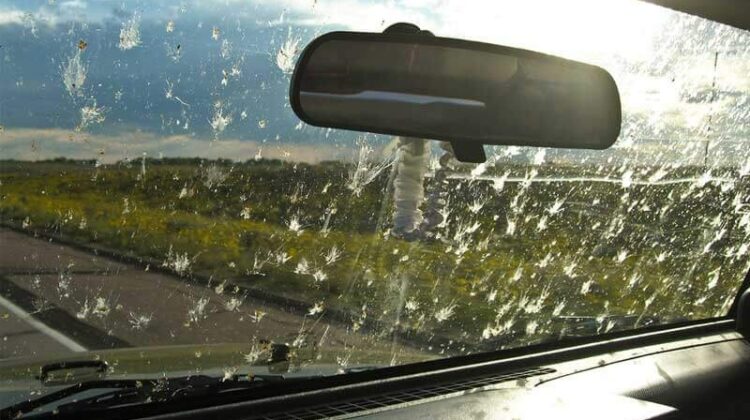
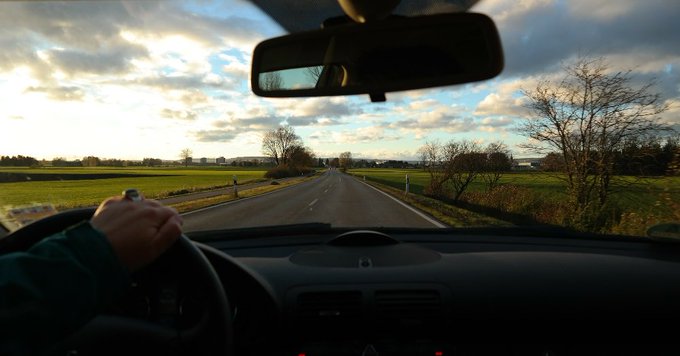
In the not-so-distant past, a long summer drive often turned car windshields into grim canvases, adorned with the remnants of an insect massacre. However, if you’ve noticed a conspicuous absence of bug splatters on your car window lately, you’re not alone. Ecologists have been raising concerns about a decline in insect life, and the once common sight of squished bugs on car windshields may be a worrying indicator of a broader issue often referred to as the “insect apocalypse.”
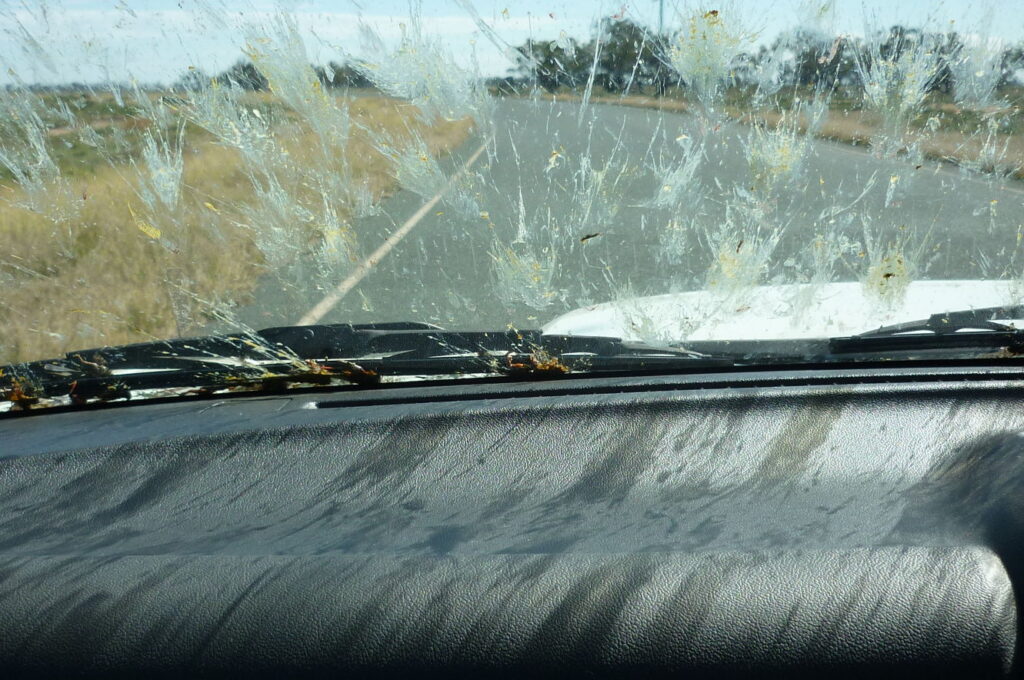
A survey conducted by Kent Wildlife Trust in the UK sheds light on this phenomenon, revealing a 50 percent decrease in the number of insects splattered on car windscreens over the past 15 years. The study, which analyzed more than 650 car journeys in the southeastern UK county of Kent between June and August 2019, asked drivers to report the number of insects on their car’s registration plate.
In comparison to a similar survey conducted by the Royal Society for the Protection of Birds (RSPB) in 2004, the results indicated a significant decline — from an average of 0.2 splats per mile to 0.1 splats per mile. To rule out the possibility that modern cars’ aerodynamic design might be a contributing factor, the researchers enlisted classic car owners in the survey. However, the decline in insects persisted even after accounting for these classic vehicles.
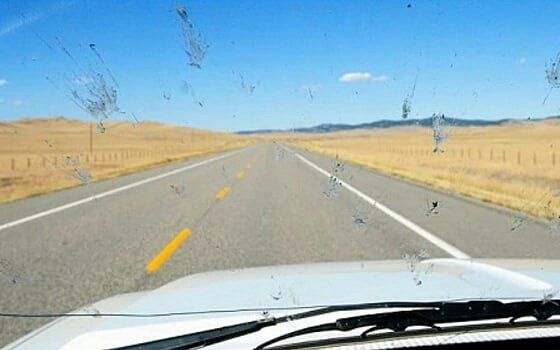
This trend is not unique to the UK. Anecdotal accounts of diminishing bug splatters date back to the early 2000s, and recent scientific studies support these observations. Danish researchers, using the windshield method, reported reductions ranging from 80 to 97 percent in 2019. Another study from 2018, conducted around the El Yunque National Forest of Puerto Rico, found that insect biomass had plummeted by 10 to 60 times since the 1970s.
The decline in bug life on windshields is just one facet of a broader crisis facing insects worldwide. Some ecologists warn of an impending “insectageddon,” predicting a catastrophic collapse that could lead to the extinction of 40 percent of the world’s insects within the next few decades. Multiple factors contribute to this decline, including climate change, pesticide use, habitat destruction, and diseases.
While some scientists caution against hastily declaring a global “insectageddon” based solely on the windscreen phenomenon, they acknowledge the need for rigorous data. It might indicate shifts in insect habitats away from human developments rather than a universal decline in insect populations. Nevertheless, any decline in insect numbers carries implications for our ecosystems, as over a third of the world’s food crops depend on animal pollinators.
The interconnected relationship between insects and food crops underscores the potential repercussions of insect decline. One-third of the fruits and vegetables we consume rely on animal pollinators such as butterflies, moths, beetles, and bees. As these essential pollinators face threats, it raises concerns about the stability of our food supply and the delicate balance of our ecosystems. The mysterious absence of bug splatters on car windshields may be more than just a curious observation; it could be a crucial signal of a larger ecological challenge that demands our attention and action.
Leave a Reply