• Skip to main content
  • Skip to primary sidebar
  • Skip to footer
  • Home
  • About Us
  • Copyright Report
  • Submit Content
  • Terms
  • Privacy Policy
  • Legal Disclaimer

Hasan Jasim

Hasan Jasim is a place where you may get entertainment, viral videos, trending material, and breaking news. For a social generation, we are the largest community on the planet.

Why more Americans are dying from the cold

by Hasan Jasim Editorial Team Leave a Comment

ShareTweet

Despite global warming trends, cold-related deaths in the United States are on the rise. Counterintuitive as it seems, new research highlights the growing risk of extreme cold on public health. This alarming phenomenon reveals a complex interplay of climate change, social factors, and economic disparities, creating a dangerous landscape for vulnerable populations.

The Cold Truth: Rising Death Rates

A study published in the Journal of the American Medical Association (JAMA) reveals that cold-related deaths more than doubled between 1999 and 2022, with most of the increase occurring over the past six years. In 2022 alone, 3,571 people succumbed to cold-related causes, significantly surpassing the year’s 1,700 heat-related deaths.

Why more Americans are dying from the cold

Regions like the Midwest and populations aged 75 and older are disproportionately affected, highlighting the challenges posed by aging demographics and colder climates.

Homelessness and Cold Exposure: A Collision of Risks

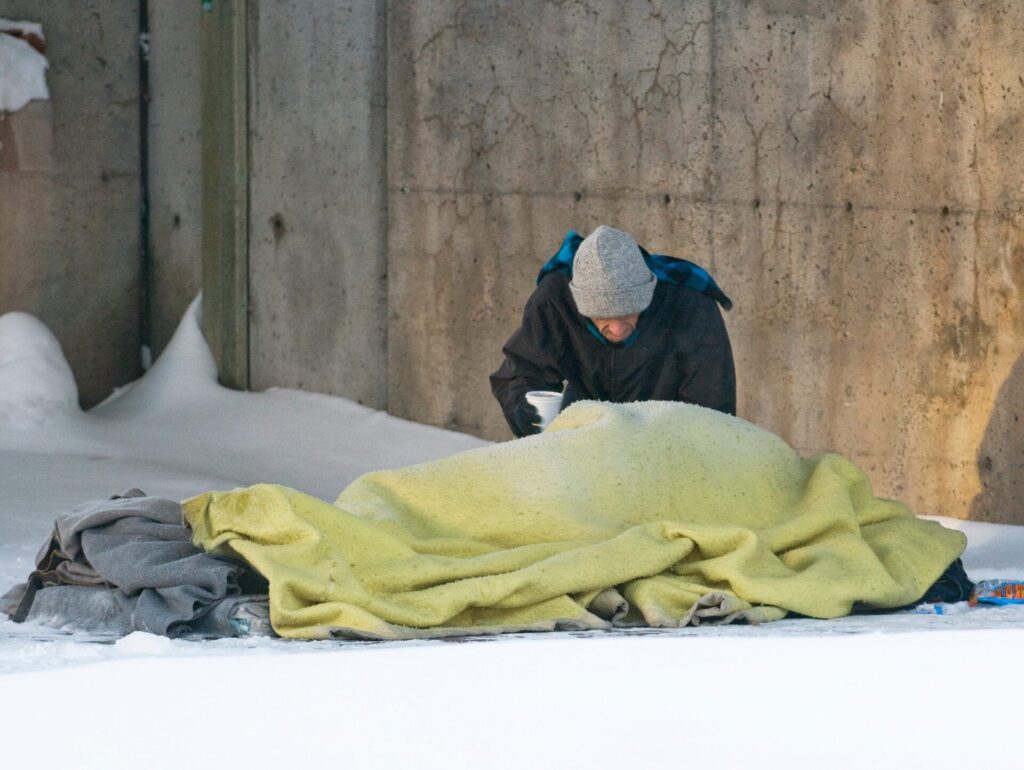
The U.S. faces an escalating homelessness crisis, with a federal report noting an 18% surge in homelessness between 2023 and 2024—the largest one-year increase on record. This troubling trend compounds cold-related risks, as those without shelter are highly susceptible to hypothermia and frostbite.

Older individuals living on the streets face a double threat: aging bodies struggle to regulate temperature, and preexisting conditions like heart or respiratory issues exacerbate vulnerability to extreme cold.

Climate Change’s Paradoxical Role
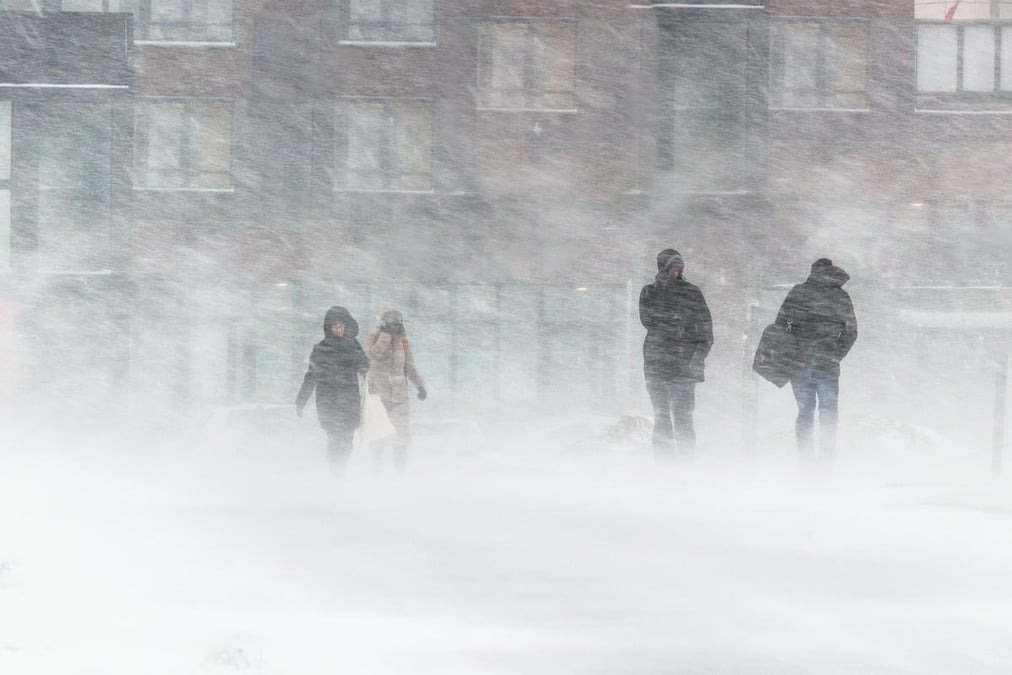
While winters are generally warming, cold snaps remain deadly. Factors like the polar vortex—periodically sending frigid Arctic air southward—raise questions about climate change’s role in intensifying extreme weather.

Although there’s debate about the direct connection, scientists agree that shifting atmospheric patterns and stronger snowstorms could result from rapid Arctic warming.

Protecting Yourself in Extreme Cold

Preparedness is essential during cold snaps:

  1. Stay Indoors: Limit outdoor exposure during severe weather.
  2. Dress in Layers: Cover exposed skin to prevent frostbite and hypothermia.
  3. Check on Vulnerable Neighbors: Particularly elderly individuals or those living alone.
  4. Seek Shelter: Cities must provide accessible warming centers for at-risk populations, especially the homeless.
The Centers for Disease Control and Prevention (CDC) advises against using hot water to warm frostbitten areas; instead, use warm water and seek medical attention promptly.

This rising death toll underscores systemic failures to address preventable cold-related deaths. Greater investment in affordable housing, public health initiatives, and climate resilience strategies is imperative. As lead researcher Michael Liu aptly states, “It feels unacceptable that in the U.S., the vast majority of these deaths are completely preventable.”

Filed Under: Trends Worldwide Tagged With: affordable housing solutions, aging population risks, CDC, CLIMATE CHANGE, climate change impact, climate resilience, cold snap preparedness, Cold-related deaths, extreme weather, Frostbite, frostbite prevention, Heat Waves, homeless crisis, Homelessness, homelessness statistics, hypothermia, Polar Vortex, public health, public health risks, senior citizens cold exposure, U.S. mortality rates, Warming Centers, warming planet paradox, winter storm impact, Winter Storms

Reader Interactions

Leave a Reply Cancel reply

Your email address will not be published. Required fields are marked *

Primary Sidebar

More to See

Gray Whales Are Washing Ashore Dead Across the U.S. West Coast, Raising New Alarm Among Scientists

By Hasan Jasim Editorial Team

This Tree in Mexico Has the Thickest Trunk in the World, Supporting a Crown the Size of Almost Two Tennis Courts

By Hasan Jasim Editorial Team

In An Incredible Photograph, A Bald Eagle Snatches A Canada Goose

By Hasan Jasim Editorial Team

Kitum Cave: A Deadly Dive into Kenya’s Ebola and Marburg Hotspot

By Hasan Jasim Editorial Team

David Duchovny announces death of beloved rescue dog Brick: shares beautiful poem as tribute

By Hasan Jasim Editorial Team

Are 3 phones open to any network?

By Hasan Jasim Editorial Team

A Stray Puppy Is On The Verge Of Death After Cruel Children Cover Him In Industrial Glue

By Hasan Jasim Editorial Team

Footer

ABOUT HASANJASIM.ONLINE

Hasanjasim.online is a digital platform dedicated to publishing well-researched articles about the animal kingdom, nature, and the environment. Our editorial team works to source stories from credible outlets, scientific research, and verified reports, aiming to inform as much as we entertain. From wildlife conservation and animal behavior to natural wonders and environmental science, we cover the topics that help readers better understand and appreciate the natural world. Whether you're a lifelong nature lover or simply curious about the planet we share, Hasanjasim.online aims to be a trustworthy destination for stories worth reading — and worth citing.

Recent

  • Euphorbia Hirta (“Asthma-Plant”): What Traditional Use and Real Research Actually Show
  • A Mystery Animal Has Been Randomly Attacking People in New Hampshire — Here’s What We Know
  • A Woman Was Filmed Sharing Her Ice Cream With Her Dog — Here’s What Vets Actually Say About It
  • Dolphin Calf Incident in Ceuta Sparks Outrage After Disturbing Beach Footage Emerges
  • Lactuca Serriola Root: Traditional Uses of Prickly Lettuce (Wild Lettuce) Root
  • The Puppy a Firefighter Couldn’t Leave Behind — and the Story Didn’t End There
  • A Mother Dog Dove Into Floodwater Again and Again — Until All 7 of Her Puppies Were Safe

Search