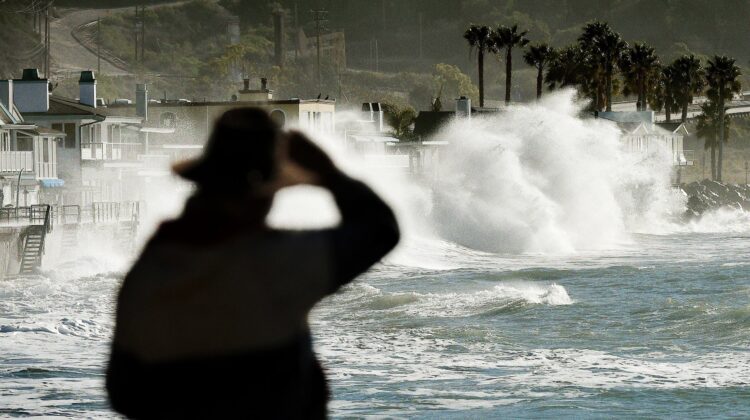
Climate experts are warning that El Niño conditions are increasingly likely to develop in the coming months, potentially bringing higher global temperatures and a greater risk of extreme weather events across several regions of the world.
According to forecasts from international weather agencies, the climate pattern has a strong chance of forming and persisting through the latter part of the year. Scientists say warming ocean temperatures in the Pacific are contributing to its development.
El Niño is a naturally occurring climate phenomenon that develops when surface waters in the central and eastern Pacific Ocean become warmer than normal. The warming can influence atmospheric circulation patterns, affecting weather systems far beyond the Pacific region.
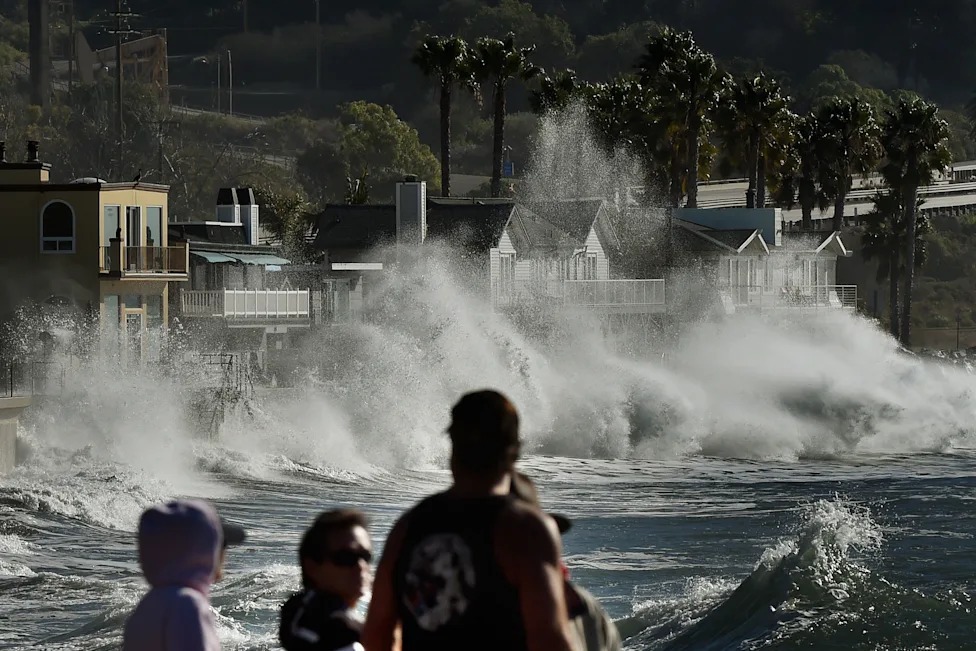
Meteorologists say El Niño often alters rainfall patterns, increases the likelihood of heatwaves and can contribute to droughts in some regions while bringing heavy rainfall and flooding to others.
Experts have also warned that a particularly strong El Niño event could push global temperatures higher, adding to the effects of long-term climate warming already being observed worldwide.
In the United States, El Niño conditions have historically been associated with wetter and cooler winters across parts of the South, while some northern regions experience milder temperatures. The phenomenon can also influence hurricane activity by shifting where tropical storms are most likely to develop.
Scientists continue to monitor ocean temperatures and atmospheric conditions closely to determine how intense the event may become. While forecasts suggest a significant probability of a strong El Niño, researchers stress that its exact impacts remain uncertain and can vary considerably from one event to another.
Even so, weather agencies are encouraging governments, communities and businesses to prepare for the possibility of increased climate-related disruptions in the months ahead.
Extreme weather events linked to climate variability can have major economic consequences for agriculture, insurance markets, energy infrastructure and global supply chains. Experts say businesses and governments increasingly rely on advanced weather forecasting, climate risk management, disaster preparedness planning and environmental monitoring systems to reduce financial losses associated with heatwaves, flooding, droughts and severe storms. As climate-related risks continue to grow, investment in resilient infrastructure and sustainable energy solutions remains a key focus worldwide.
Leave a Reply