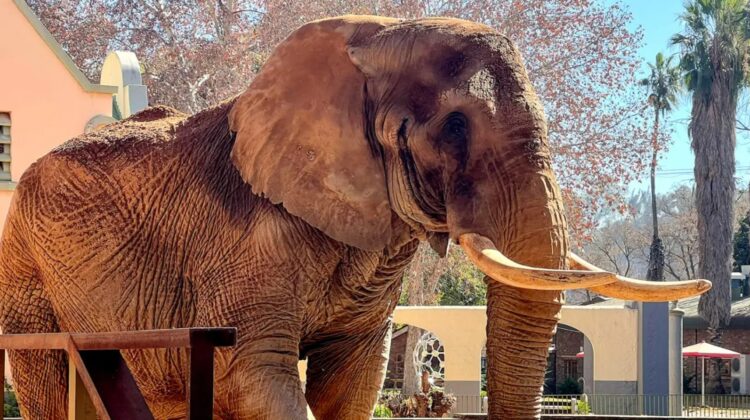
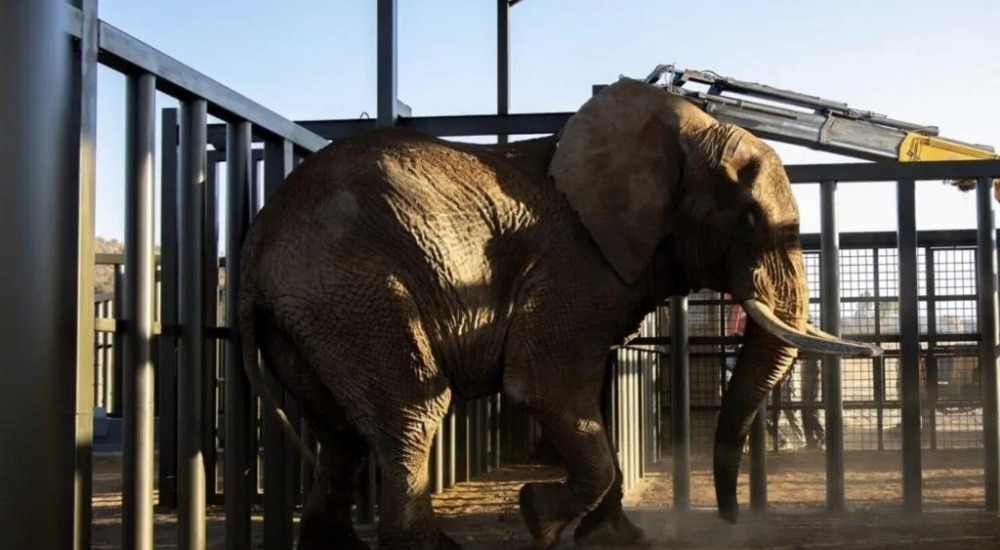
After four decades of captivity, Charlie, the last elephant at South Africa’s National Zoological Gardens, has been freed and will now live out his days in a sprawling 10,000-hectare (24,700-acre) game reserve.
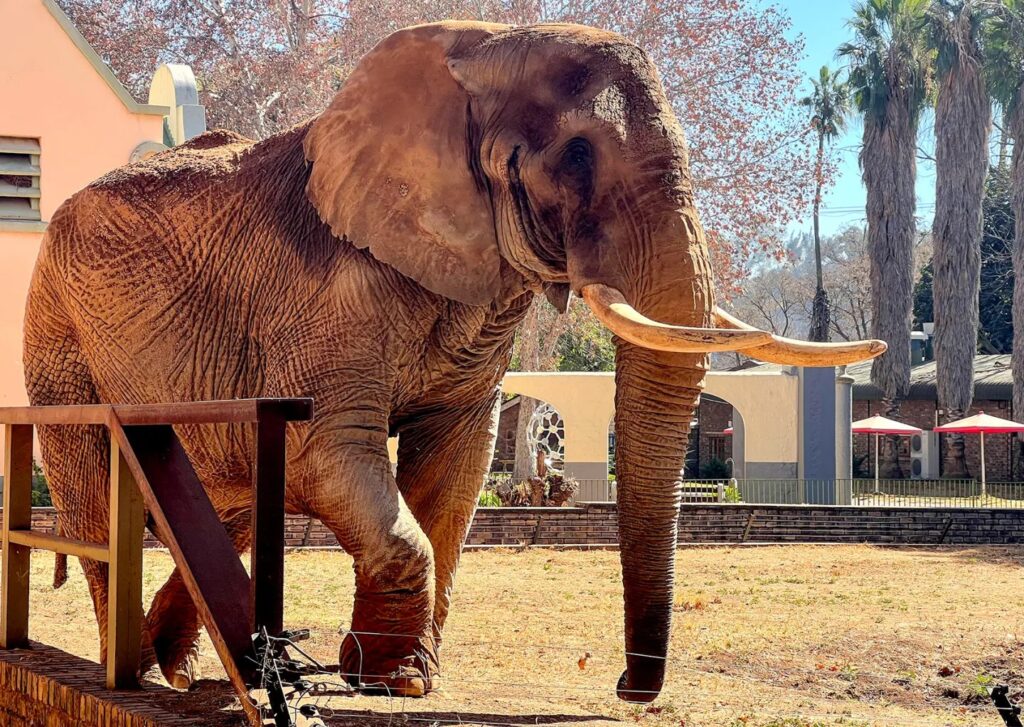
Charlie, also known as Charley, was the final African elephant at the National Zoological Gardens in Pretoria, South Africa’s sole national zoo. Captured from his family in Zimbabwe’s wilderness when he was about two years old, Charlie was sold to the Boswell Wilkie Circus in 1984. There, he performed circus tricks before being transferred to the Pretoria zoo in 2001, where he has resided ever since.
Though other South African zoos, such as Johannesburg Zoo, continue to host elephants, Charlie was the last of his kind at Pretoria’s National Zoological Gardens.
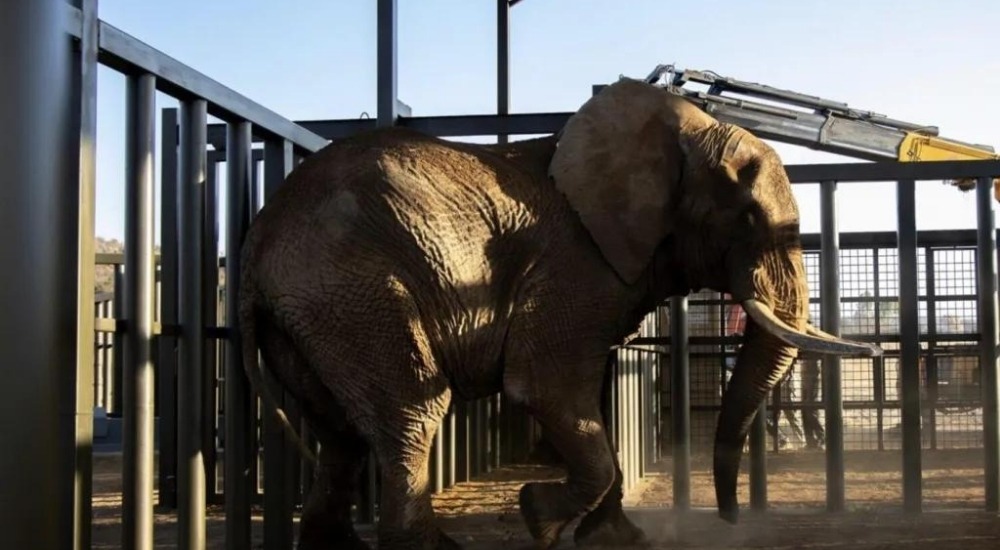
Recently, the EMS Foundation announced that Charlie completed a four-hour journey from the zoo to Shambala Private Reserve in Limpopo.
Nontsikelelo Mpulo, Director of Marketing, Communication, and Commercialisation at the South African National Biodiversity Institute (SANBI), explained, “The decision was made more than a year ago to retire Charley. His advanced age was one of the factors considered.”
Mpulo continued, “We called for expressions of interest to provide a retirement home for Charley. After evaluating the proposals, we approved the plan from the EMS Foundation and Shambala Private Game Reserve.”
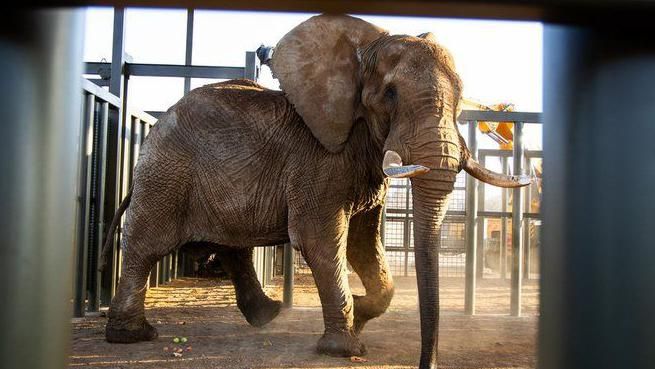
To help Charlie adjust to his new environment, the EMS Foundation, in partnership with Four Paws and Shambala Private Game Reserve, has devised a scheme to facilitate his transition. Since Charlie has never had to fend for himself, this plan aims to ease him into a more natural setting. Shambala Reserve will also provide regular health updates to SANBI for at least a year to ensure Charlie’s ongoing care.
Initially, Charlie will be kept alone to help him acclimate to his new surroundings. However, the hope is that he will eventually be integrated into Shambala’s existing elephant herd. The EMS Foundation expressed their aspirations for Charlie’s future, stating, “Our dream is that at his own pace, Charlie will learn to be the elephant he was always meant to be and eventually integrate into the existing elephant community on Shambala.”
The global population of captive elephants is estimated to be between 15,000 and 20,000, with many living in what Elephant Voices describes as “abysmal” conditions. The debate over whether elephants are suited for captivity continues, given their natural behavior and needs. Elephants in the wild can roam up to 80 kilometers (50 miles) daily, a feat that is nearly impossible within the confines of a zoo. Captive elephants often face health issues from inactivity and struggle with the complexity of their social structures, which are difficult to replicate in captivity.
This disparity in living conditions is reflected in their lifespans: captive elephants generally live to around 40 years, while their wild counterparts can reach into their 70s.
Conversely, many zoos argue that they play a critical role in advancing conservation and scientific knowledge of elephants. They also protect these majestic creatures from major threats such as habitat loss, poaching, and human conflicts.
Former public affairs director at the Smithsonian’s National Zoo, Robert Hoage, once remarked, “I would rather have elephants in zoos than have them go extinct.” He added, “If zoos don’t get involved, elephants might exist just in museums. Zoos are not great places for elephants, but they are better [there] than dead.”
Leave a Reply