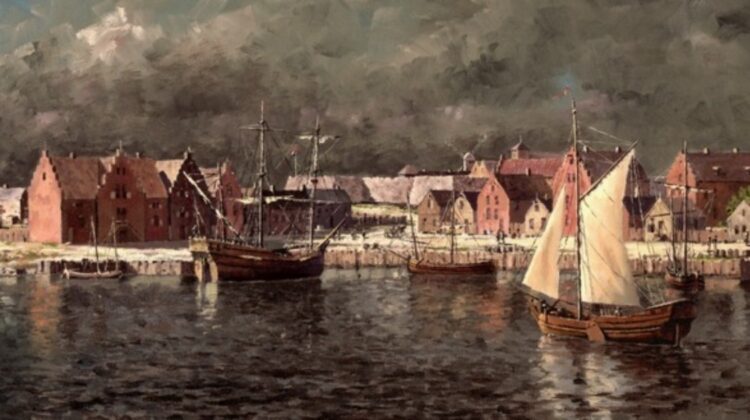
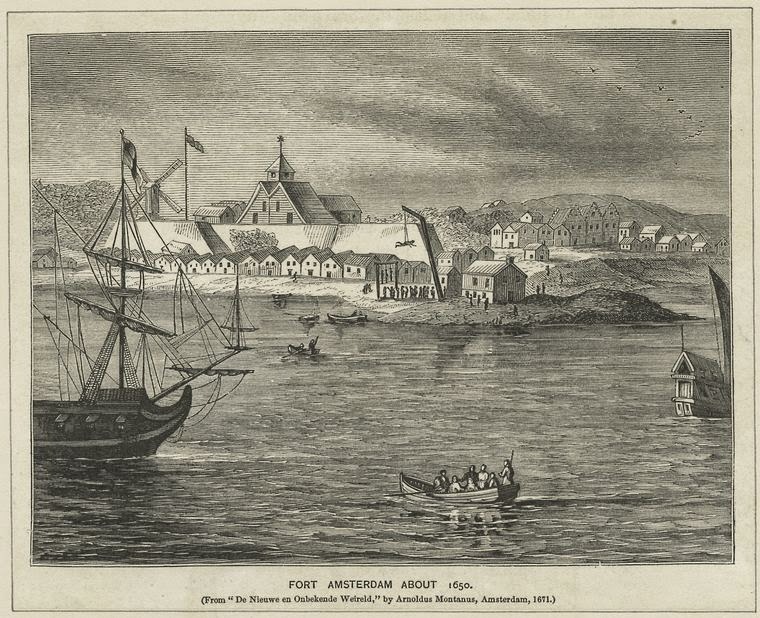
Step back in time to the 17th century, when the bustling metropolis of New York was nothing but a nascent settlement known as New Amsterdam. Established by the Dutch at the southern tip of Manhattan Island, New Amsterdam served as the hub of colonial government for the region known as New Netherland. What began as a trading factory gradually evolved into a thriving settlement centered around Fort Amsterdam.
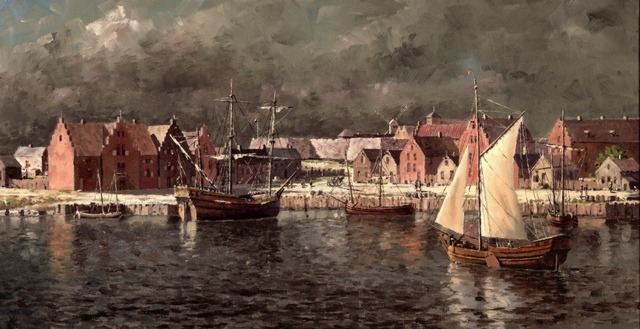
Strategically positioned at the southern tip of Manhattan Island, Fort Amsterdam held a crucial role in safeguarding the Dutch West India Company’s fur trade operations along the North River, today known as the Hudson River. The lucrative fur trade was a driving force behind the establishment of New Amsterdam, attracting traders, settlers, and fortune-seekers from far and wide.
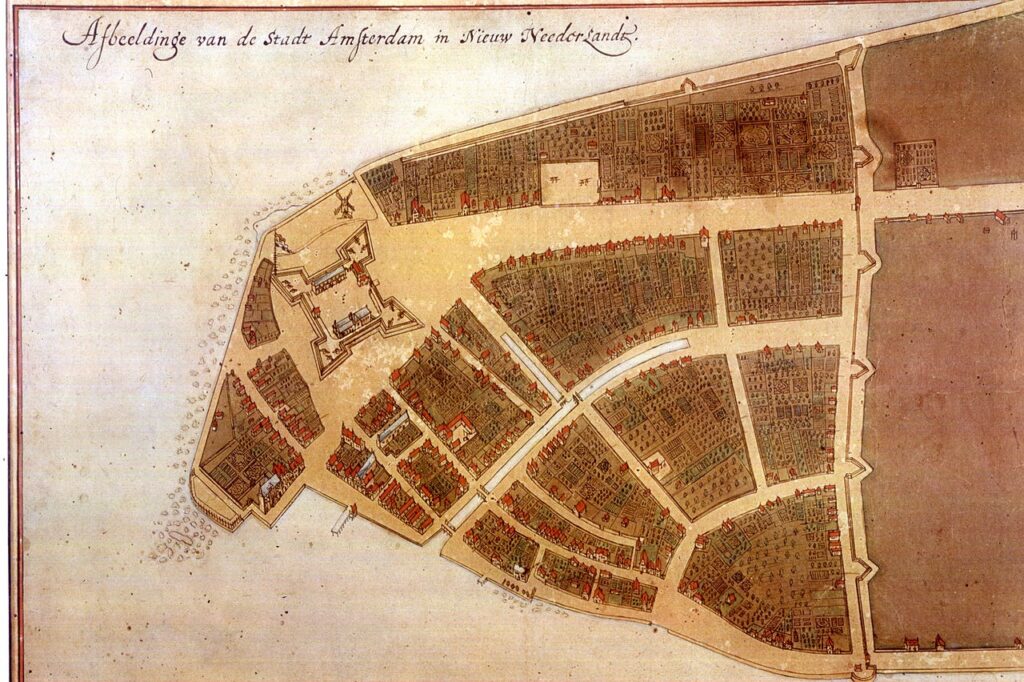
As the years passed, the population of New Netherland steadily grew, and by 1664, nearly 9,000 people called this region their home, with 2,500 residents residing in the heart of New Amsterdam. However, destiny had other plans for this bustling city as it underwent a sudden and transformative change.
In the year 1664, the English, under the command of the Duke of York (later to become James II of England), seized control of New Amsterdam from the Dutch. As a result of this swift takeover, the city underwent a dramatic rechristening on September 8, 1664, and emerged as New York, named in honor of the Duke of York himself.
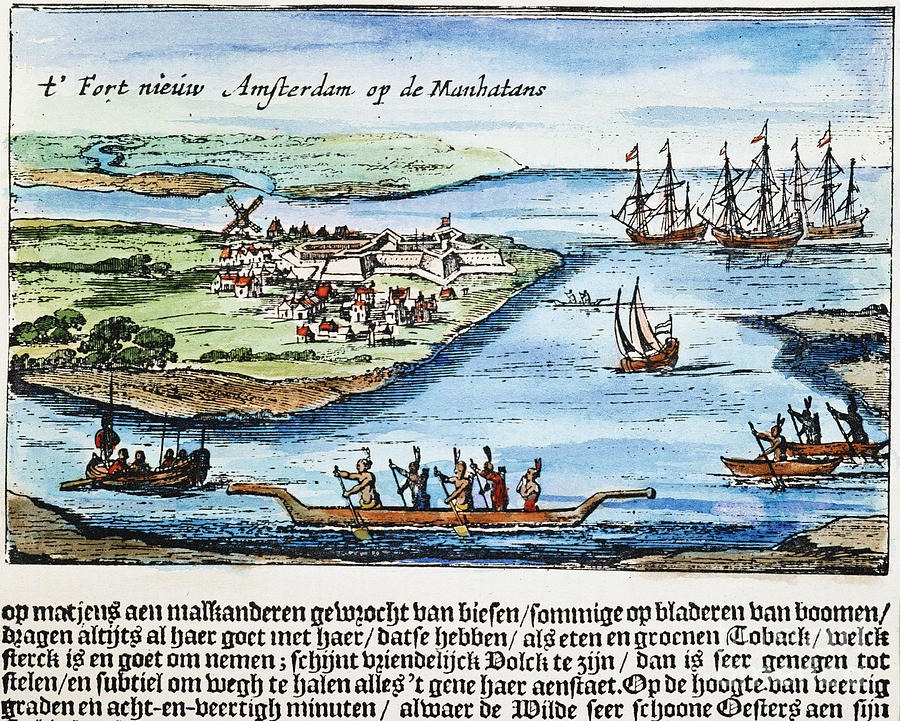
With this swift change of hands, the once Dutch settlement fell under English rule, ushering in a new era for the city and its inhabitants. The English presence marked the beginning of a distinct cultural blend that continues to shape the identity of New York City to this day.
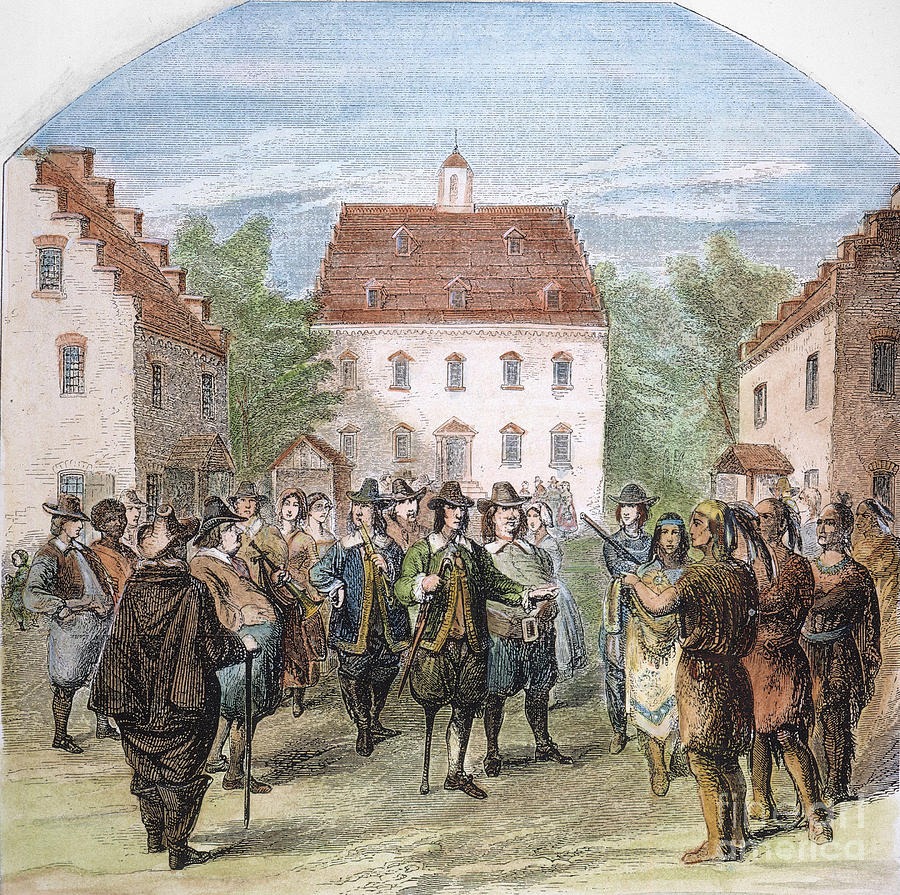
In the aftermath of the takeover, the Dutch relinquished their claim not only to New Amsterdam but to the entire New Netherland colony. The English offered an enticing exchange: control of the Spice Islands. While this trade-off might have seemed advantageous for the Dutch, it raises the question of what exactly these “spices” entailed. The allure of these exotic treasures, combined with the growing power of the English empire, influenced the decision to relinquish control of the once-thriving settlement.
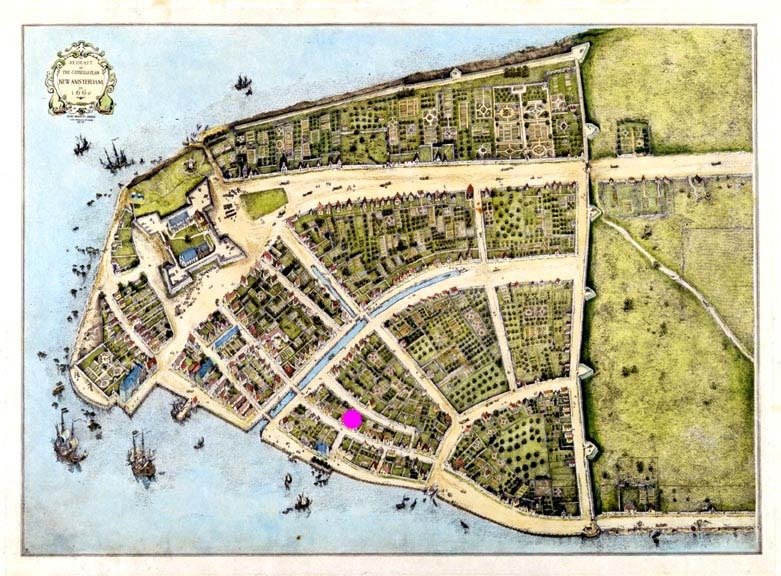
Yet, amidst this historical tale of trade and territorial exchanges, one intriguing question remains unanswered. The mention of a man hanging in the middle of a picture raises curiosity about the darker aspects of this era. History is often dotted with enigmatic moments and events, and this hanging figure serves as a poignant reminder of the complexities and challenges faced by societies of the past.
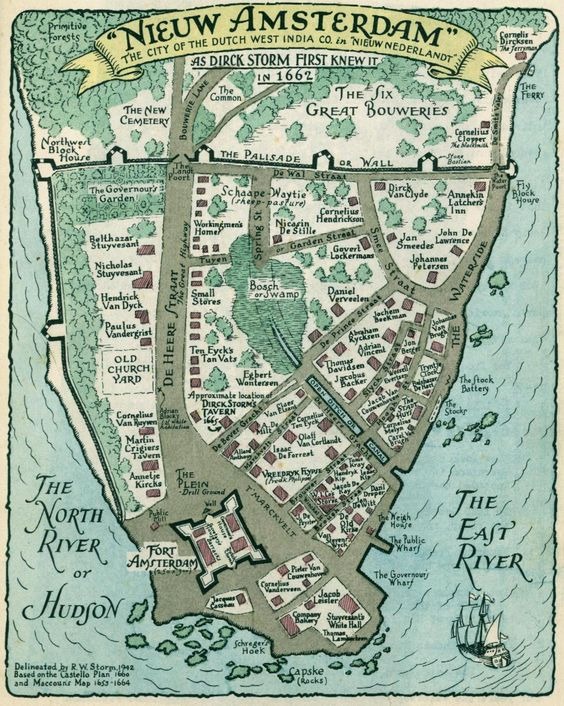
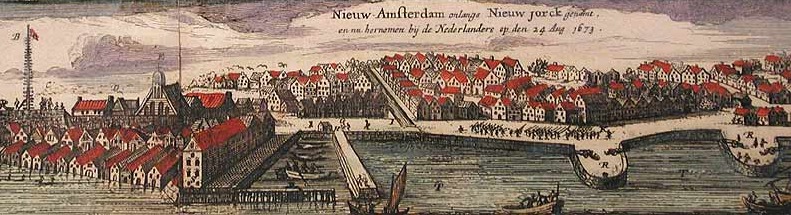
The transformation of New Amsterdam into New York stands as a testament to the ever-changing tides of history and the interplay of different cultures and powers. Today, the vibrant city of New York stands as a global icon, its modern skyline a reflection of the dreams, struggles, and triumphs of those who once walked its cobbled streets.
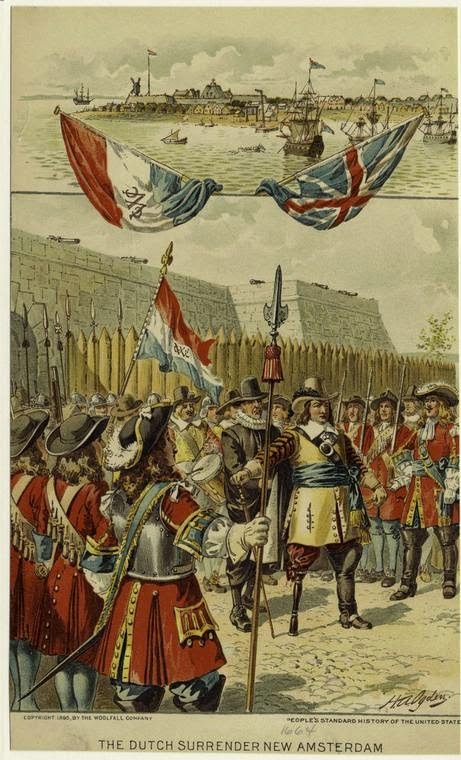
As we delve into the annals of history, exploring the fascinating journey from New Amsterdam to New York, we are reminded of the indomitable spirit of human civilization, forever adapting and evolving through the ages. The legacy of New Amsterdam lives on, resonating in the very heartbeat of the city that now captivates the world as New York.
Leave a Reply