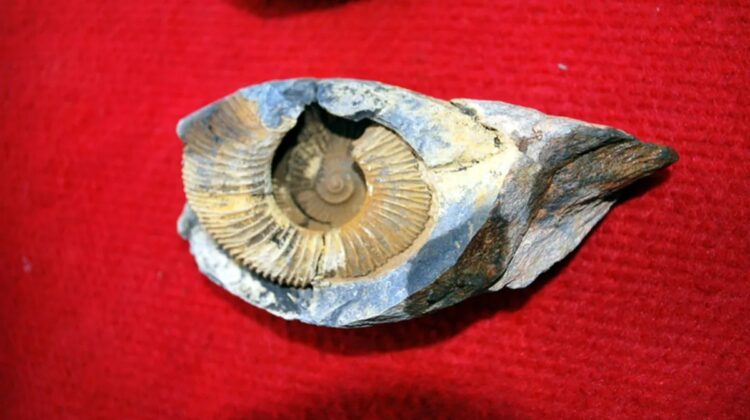
In the realm of geological wonders, Mount Everest stands as an unparalleled icon of grandeur and mystique. However, amid its towering peaks and sweeping vistas lies a puzzle that has perplexed many: the presence of marine fossils at the summit. This enigma, embedded in the sedimentary rock known as the “Qomolangma Limestone,” has ignited curiosity and sparked various speculations.
The Qomolangma Limestone, a testament to Earth’s ancient history, encapsulates a plethora of fossilized marine creatures dating back to the Ordovician Period, a staggering 488.3 million to 443.7 million years ago. Trilobites, brachiopods, ostracods, and crinoids, each a relic of a bygone era, are scattered across the Himalayas, leaving observers bewildered by the juxtaposition of terrestrial giants and ocean-dwelling remnants.
Contrary to claims circulating on social media, this marine fossil record is not indicative of a biblical deluge that submerged the entire planet. Such assertions, as debunked in various forums including the Fraudulent Archaeology Wall of Shame Facebook group, are rooted in misunderstanding rather than scientific scrutiny. Instead, the marine fossils atop Everest are compelling evidence of the dynamic forces that shape our planet: plate tectonics.
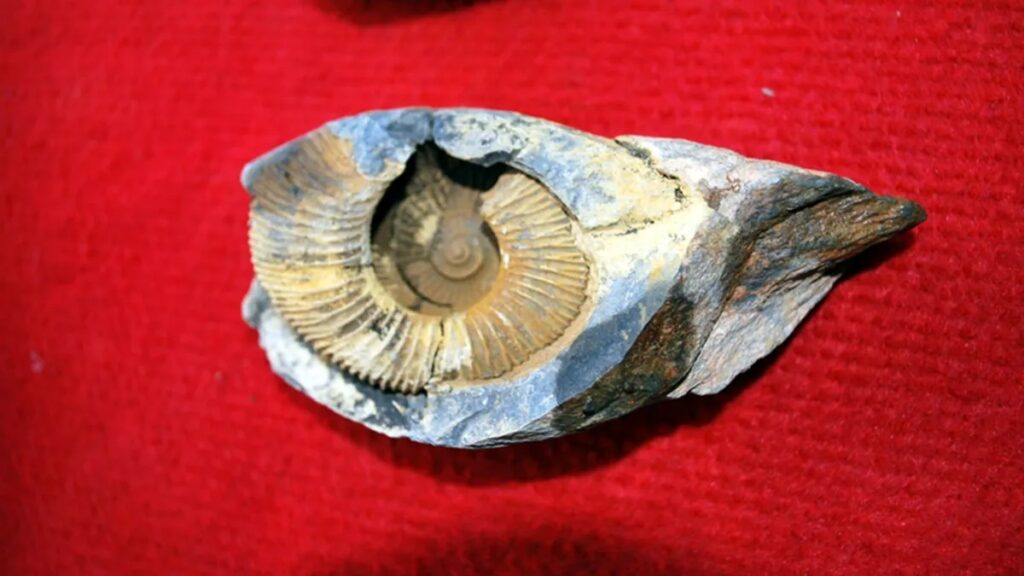
Sedimentary rocks, like the Qomolangma Limestone, owe their existence to the relentless action of water over geological ages. The process involves erosion, the grinding of rocks over thousands or millions of years, followed by compaction and pressure-induced transformation into sedimentary rock. The very presence of these sedimentary rocks, coupled with the fossils of ancient marine life, reveals a remarkable story – one that narrates the submersion of Everest’s rock beneath the waves in a distant past.
Plate tectonics, the geological ballet of shifting continents, emerges as the key protagonist in this narrative. The majestic rise of Everest and the entire Himalayan range is attributed to the intricate dance between the Eurasian and Indian continental plates. This colossal collision, initiated some 40-50 million years ago, set the stage for the geological spectacle we witness today.
As the Eurasian plate crumpled and buckled above the Indian plate, a fascinating process unfolded. The low density and high buoyancy of these continental plates prevented one from subducting beneath the other. Instead, the collision led to the thickening of the continental crust through folding and faulting, giving birth to the awe-inspiring Himalayas and the Tibetan Plateau.
So, why do marine fossils adorn the uppermost reaches of the world’s tallest peak? The answer lies in the geological saga written by the forces of plate tectonics. Everest, once submerged beneath ancient seas, rose to its lofty heights through the intricate choreography of Earth’s tectonic plates.
In unraveling this geological mystery, we not only gain insights into the tumultuous history of our planet but also stand in awe of the majestic symphony that continues to shape the very foundation beneath our feet. The marine fossils atop Mount Everest are not anomalies; they are silent storytellers, whispering tales of a time when the highest peaks were but submerged secrets beneath the ancient waves.
Leave a Reply