• Skip to main content
  • Skip to primary sidebar
  • Skip to footer
  • Home
  • About Us
  • Copyright Report
  • Submit Content
  • Terms
  • Privacy Policy
  • Legal Disclaimer

Hasan Jasim

Hasan Jasim is a place where you may get entertainment, viral videos, trending material, and breaking news. For a social generation, we are the largest community on the planet.

Scientists Solve Century-Old Mystery of Antarctica’s Blood Falls

by Hasan Jasim Editorial Team Leave a Comment

ShareTweet

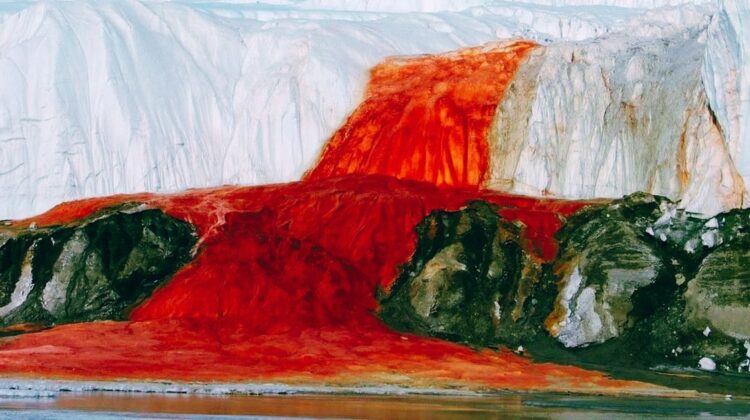
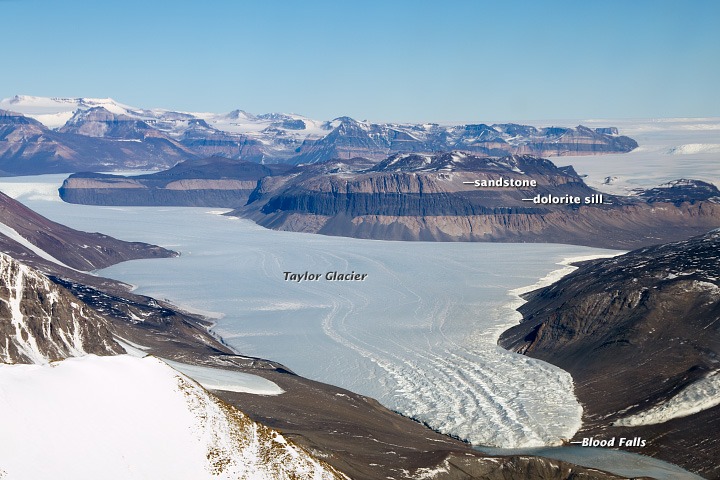
In the desolate expanses of Antarctica lies a natural wonder shrouded in mystery—Blood Falls, a crimson cascade tumbling down the icy face of Taylor Glacier. For decades, scientists puzzled over its origin, but recent breakthroughs have unveiled its secrets, unveiling a tale of ancient life and extraordinary resilience.
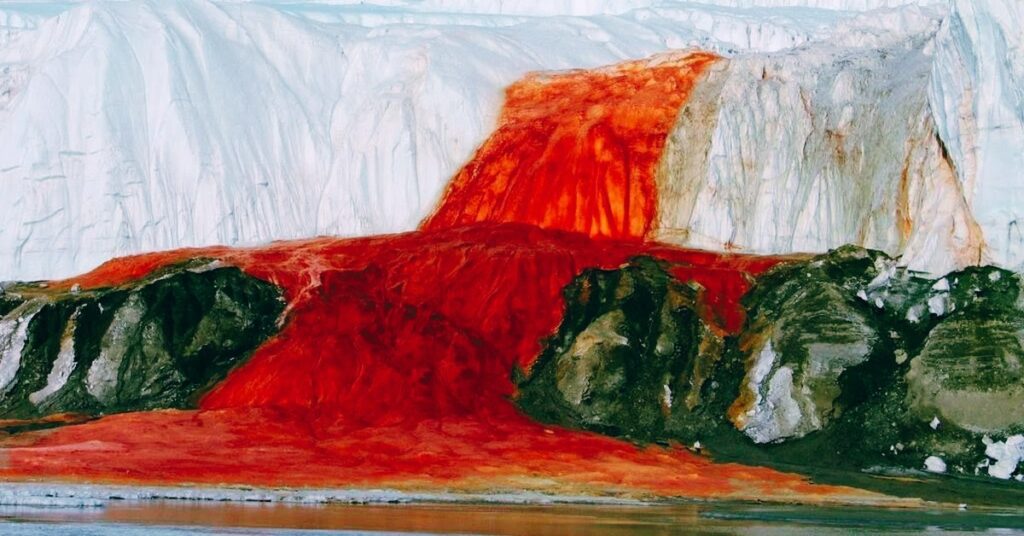
The iconic blood-colored waterfall of Antarctica. Image credit: Hassan Basagic

Discovered in 1911 by Australian geologist Griffith Taylor, Blood Falls initially perplexed researchers with its vibrant red hue. Early theories attributed the color to red algae, but further investigations revealed the true culprit—iron oxide.

Despite this revelation, the source of the water and the cause of its distinctive coloration remained elusive. It wasn’t until recent advancements in technology that scientists were able to unravel the mystery lurking beneath the glacier’s icy facade.
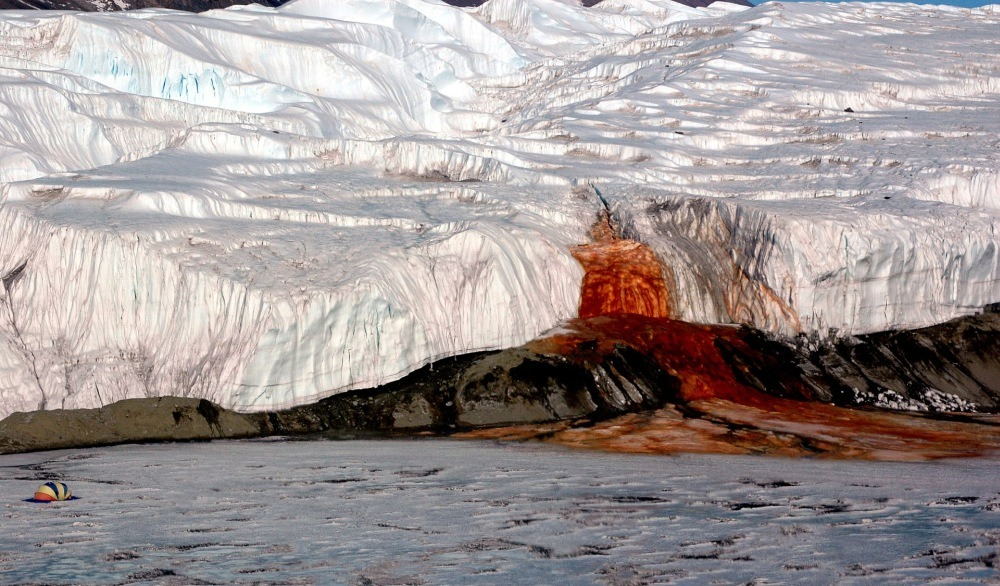
Blood Falls seeps from the end of the Taylor Glacier into Lake Bonney. The tent at left provides a sense of scale for just how big the phenomenon is. Image credit: National Science Foundation/Peter Rejcek

Using radar imaging, a team of researchers from the University of Alaska Fairbanks and Colorado College delved deep beneath Taylor Glacier, uncovering a hidden subglacial lake buried 400 meters below the surface. This ancient reservoir, sealed off from the outside world for millions of years, holds the key to Blood Falls’ enigmatic origins.
Researchers collect radar data to map the pathway of salty water that connects Blood Falls to the source of water underneath the glacier. Image credit: Cece Mortenson

Around five million years ago, rising sea levels inundated East Antarctica, creating a saline lake that would eventually become trapped beneath the ice. Over time, glaciers formed above the lake, isolating it from the rest of the continent and preserving its contents like a time capsule.
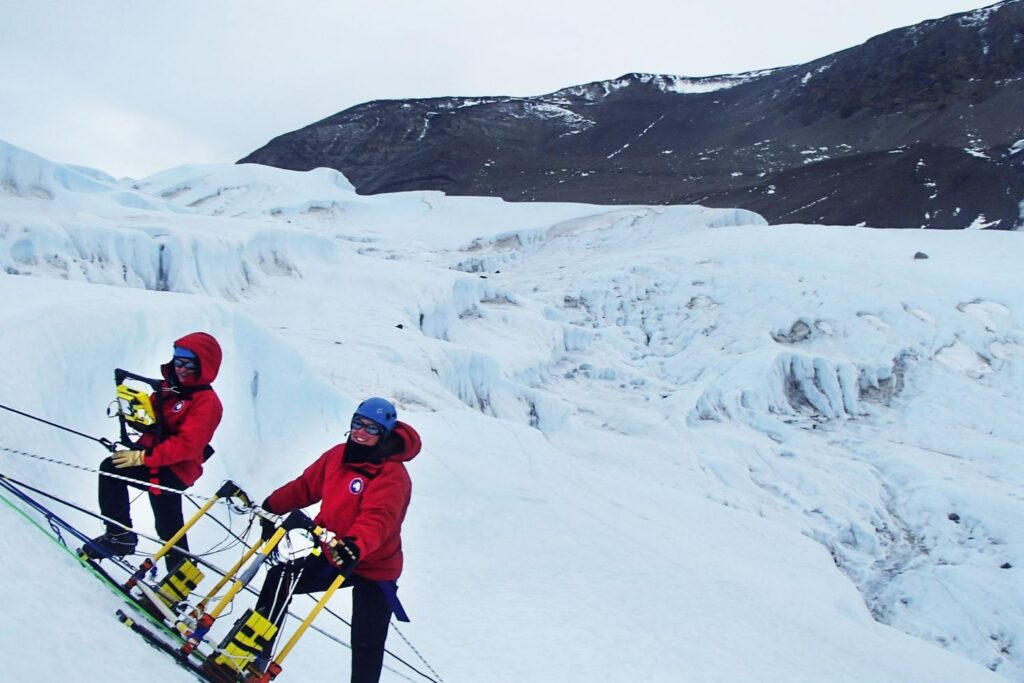
Researchers collect radar data to map the pathway of salty water that connects Blood Falls to the source of water underneath the glacier. Image credit: Cece Mortenson

Today, the subglacial lake beneath Taylor Glacier boasts a salinity three times greater than seawater, preventing it from freezing even in the harshest conditions. This unique environment supports a thriving ecosystem of microorganisms, reminiscent of those found in deep-sea hydrothermal vents.

Despite existing in total darkness, devoid of oxygen and sunlight, these resilient microbes have adapted to their extreme surroundings, deriving energy from the decomposition of sulfates. In a remarkable cycle of sulfate breakdown and restoration, these ancient organisms have persisted for millions of years, thriving in a world untouched by time.
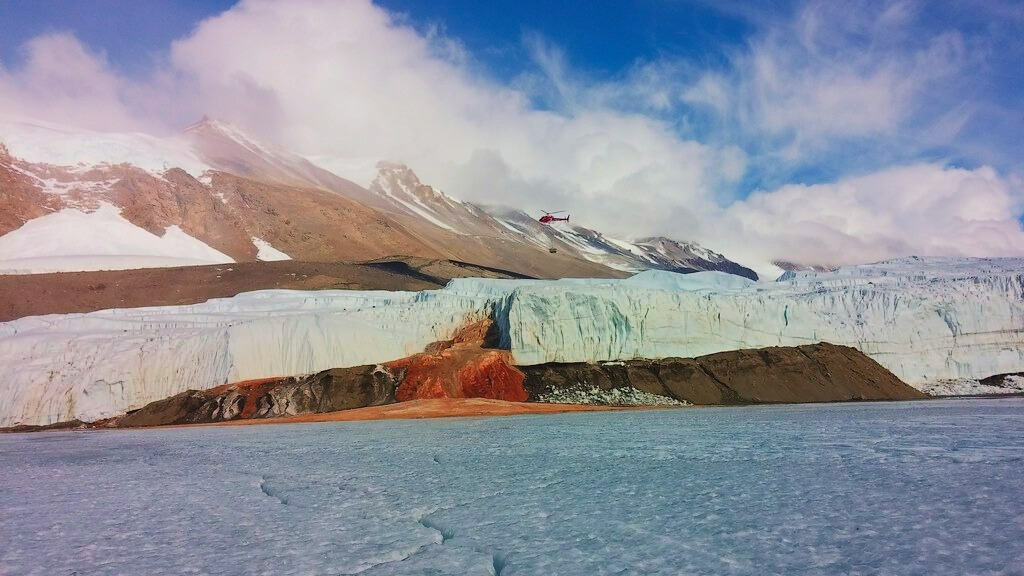
An outpour of possibly the most peculiar water in the world. Image credit: DLR German Aerospace Center

However, as climate change continues to reshape the Antarctic landscape, the future of Blood Falls hangs in the balance. With ice sheets melting at an alarming rate, this captivating natural wonder faces an uncertain fate.

As we marvel at the awe-inspiring resilience of life in Antarctica’s frozen depths, let us also heed the warning of its fragility. Blood Falls serves as a poignant reminder of the delicate balance of our planet’s ecosystems and the urgent need to protect and preserve the wonders of the natural world for generations to come.

Filed Under: Trends Worldwide Tagged With: antarctica’s, blood, century-old, falls, mystery, Scientists, solve, trends, worldwide

Reader Interactions

Leave a Reply Cancel reply

Your email address will not be published. Required fields are marked *

Primary Sidebar

More to See

The Rio Grande Gorge: A Natural Marvel in New Mexico

By Hasan Jasim Editorial Team

A Stone Tribute: The First Monument Honoring Abandoned Animals

By Hasan Jasim Editorial Team

A mysterious ‘cold blob’ in the ocean has puzzled scientists. A new study says it’s an ominous sign

By Hasan Jasim Editorial Team

Mean sister freaks out at brother’s ‘demonic’ cat, bans him from seeing her kids unless he gets rid of it

By Hasan Jasim Editorial Team

The Forgotten Forest: The Tale of Sweden’s Naval Oaks

By Hasan Jasim Editorial Team

Terrified dog set to be put down: Just watch the incredible reaction when she realizes she’s saved

By Hasan Jasim Editorial Team

A Tropical Paradise: Private Island in Nicaragua Offers Ultimate Solitude for Less Than a London Flat

By Hasan Jasim Editorial Team

Footer

ABOUT HASANJASIM.ONLINE

Hasanjasim.online is a digital platform dedicated to publishing well-researched articles about the animal kingdom, nature, and the environment. Our editorial team works to source stories from credible outlets, scientific research, and verified reports, aiming to inform as much as we entertain. From wildlife conservation and animal behavior to natural wonders and environmental science, we cover the topics that help readers better understand and appreciate the natural world. Whether you're a lifelong nature lover or simply curious about the planet we share, Hasanjasim.online aims to be a trustworthy destination for stories worth reading — and worth citing.

Recent

  • A Woman Was Filmed Dumping Trash Into a Duck Pond — Police Have Now Fined Her $1,000
  • A Hiker Provoked a Cow With a Walking Stick — Then the Whole Herd Turned on Him
  • A Nurse Saved a Stray Pit Bull From Euthanasia — Then He Nearly Took Her Arm
  • Why People Eat the Flowering Shoots of Broadleaf Plantain (Plantago major)
  • Woman Checks Shelter Adoption Site and Finds Her Dog Who Disappeared Two Years Ago
  • A £50 “Fox Head” Bought at a Market Just Sold for £60,000 — Because It’s an Extinct Tasmanian Tiger
  • A Pigeon Dyed Pink for a Gender Reveal Died After Being Abandoned in a NYC Park

Search