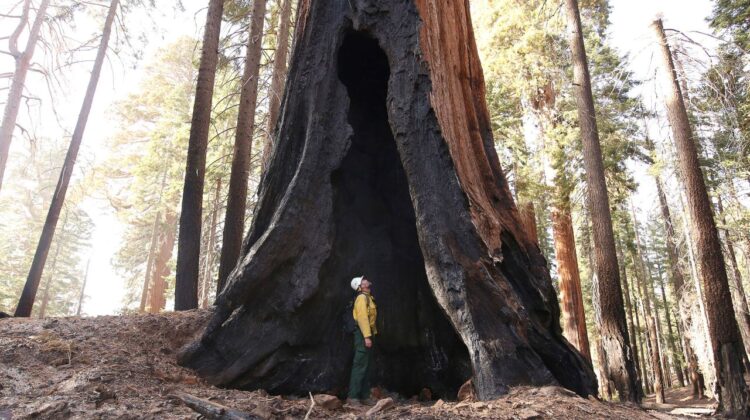
In a legal battle that underscores the delicate balance between human intervention and natural processes, environmentalists in California have taken legal action against the National Park Service (NPS) over its ambitious plan to replant sequoia groves in Sequoia and Kings Canyon National Parks. The lawsuit, filed on November 17 by four environmental groups, argues that the NPS initiative violates the law by including tree planting in designated wilderness areas, where human interference is explicitly prohibited.
The NPS unveiled its seedling-planting project this fall, citing concerns about the lasting damage inflicted on the iconic sequoia forests by wildfires in 2020 and 2021. The fires, the agency contends, killed an unprecedented number of reproductive sequoia trees, raising doubts about the natural regeneration of the groves. However, environmentalists argue that the NPS effort contradicts the needs of the sequoias.
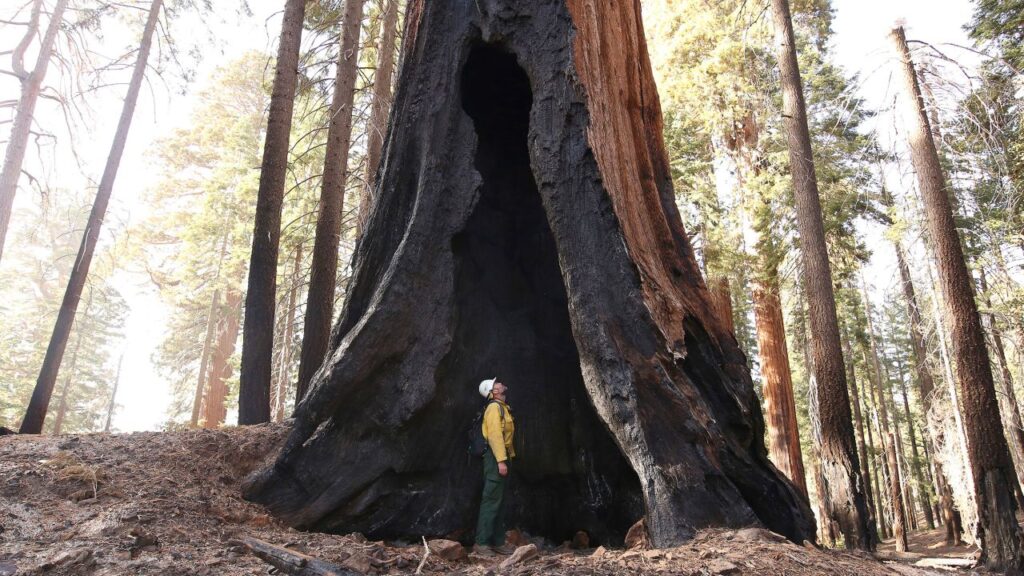
Chad Hanson, the director of the John Muir Project, one of the groups behind the legal challenge, disputes the NPS conclusion. According to Hanson, sequoias are a species that “depend on high-intensity fire in order to reproduce effectively.” He contends that nature does not require human intervention and emphasizes the importance of refraining from interfering with natural processes.
This legal action is not the first taken against the NPS by environmental advocates. In September, Wilderness Watch, Sequoia Forest Keeper, and the Tule River Conservancy sued the NPS to halt a separate project involving the cutting and burning of trees in designated wilderness areas. Known as the “Fuels Reduction Project,” this initiative faced criticism for its potential environmental impact.
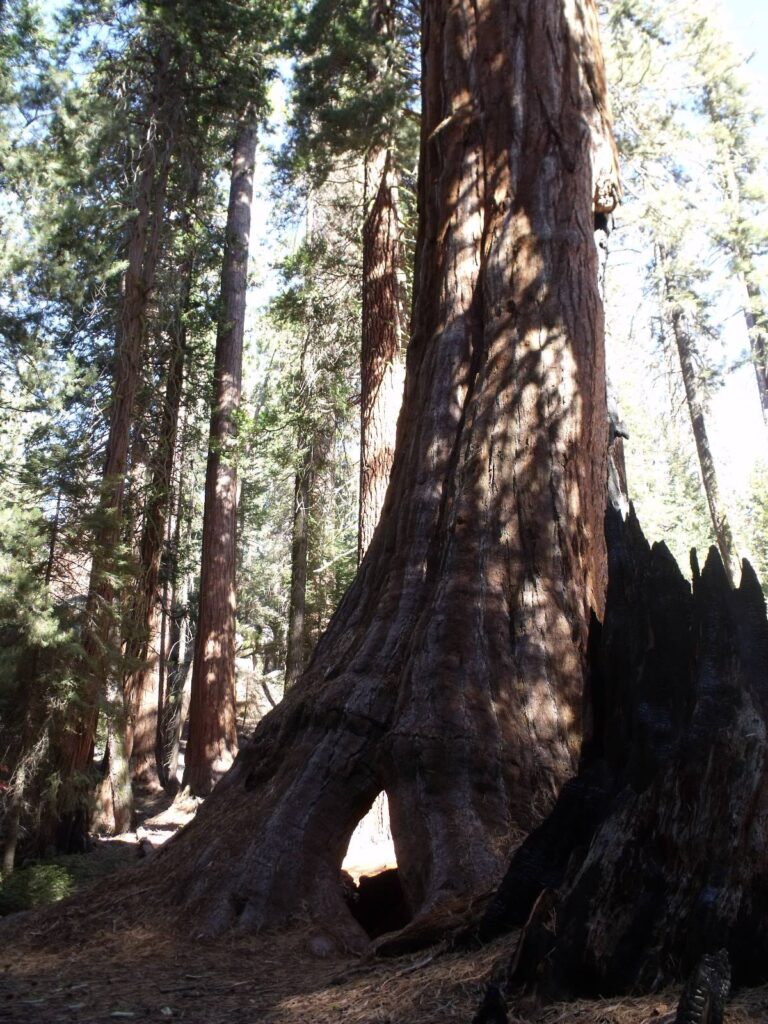
The recent lawsuit, filed by the John Muir Project, expands on the previous legal challenge, now incorporating the sequoia replanting project into the complaint. The groups collectively accuse the NPS of encroaching on federally protected land in both projects.
The NPS has already begun the replanting efforts, commencing in mid-October in two sequoia groves. While a spokesperson for the NPS declined to comment on the ongoing litigation, the agency confirmed the initiation of the reforestation project.
Environmental advocates argue that both projects were approved without adhering to the required processes of environmental review and public engagement. By designating them as “emergency” projects, the NPS avoided the necessity of meeting these requirements. The legal challenge contends that such circumvention is a violation of established procedures.
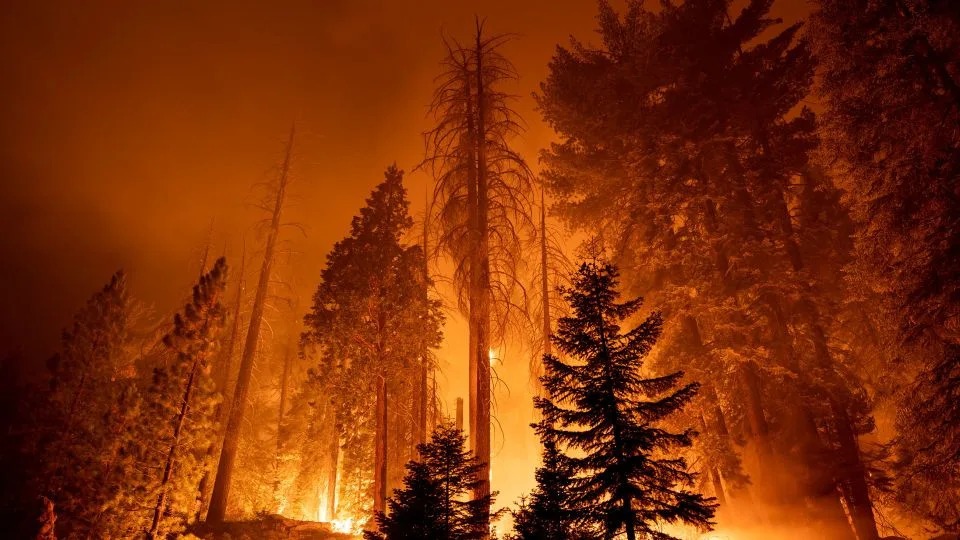
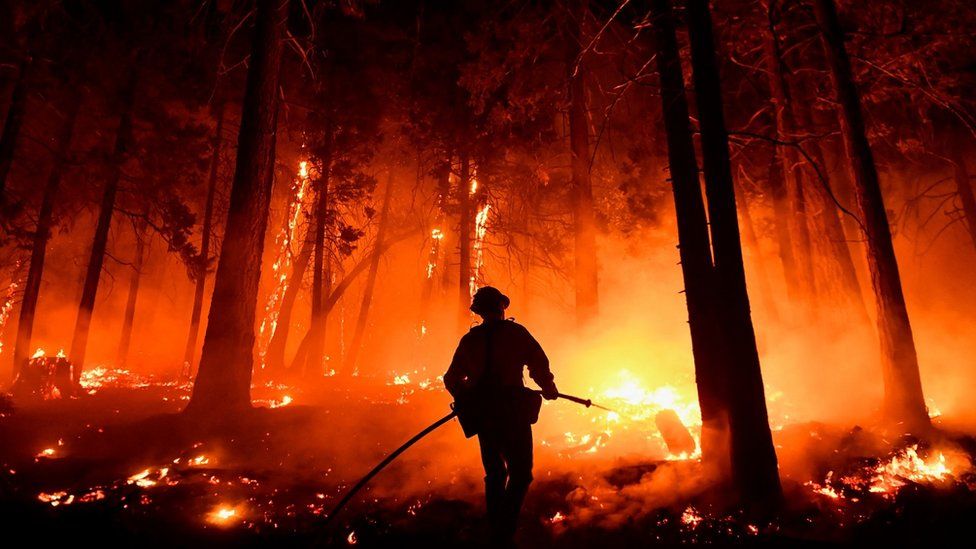
High-intensity wildfires have been a natural component of California’s sequoia forests for millions of years, with sequoias evolving to depend on such fires for reproduction. The cones on giant sequoia trees, known as serotinous, require intense fire to release millions of seeds. These fires also clear the forest floor, creating mineral-rich soil for seed germination.
Environmental advocates argue that the NPS projects, if allowed to proceed, would set a detrimental precedent for wilderness areas nationwide. They emphasize the importance of allowing natural fires to play their historic ecological roles in maintaining the health of wilderness forests. Despite the challenges, advocates express confidence that the courts will uphold the Wilderness Act and rule in their favor.
As the legal battle unfolds, it brings to the forefront a crucial debate on the role of human intervention in preserving natural ecosystems, especially in the face of climate change and evolving environmental challenges. The outcome of this case may shape future conservation efforts and policies concerning federally protected lands.
Leave a Reply