• Skip to main content
  • Skip to primary sidebar
  • Skip to footer
  • Home
  • About Us
  • Copyright Report
  • Submit Content
  • Terms
  • Privacy Policy
  • Legal Disclaimer

Hasan Jasim

Hasan Jasim is a place where you may get entertainment, viral videos, trending material, and breaking news. For a social generation, we are the largest community on the planet.

Ad example

Saiga Antelope: Most Ancient Creature

by Stephen King Leave a Comment

ShareTweet

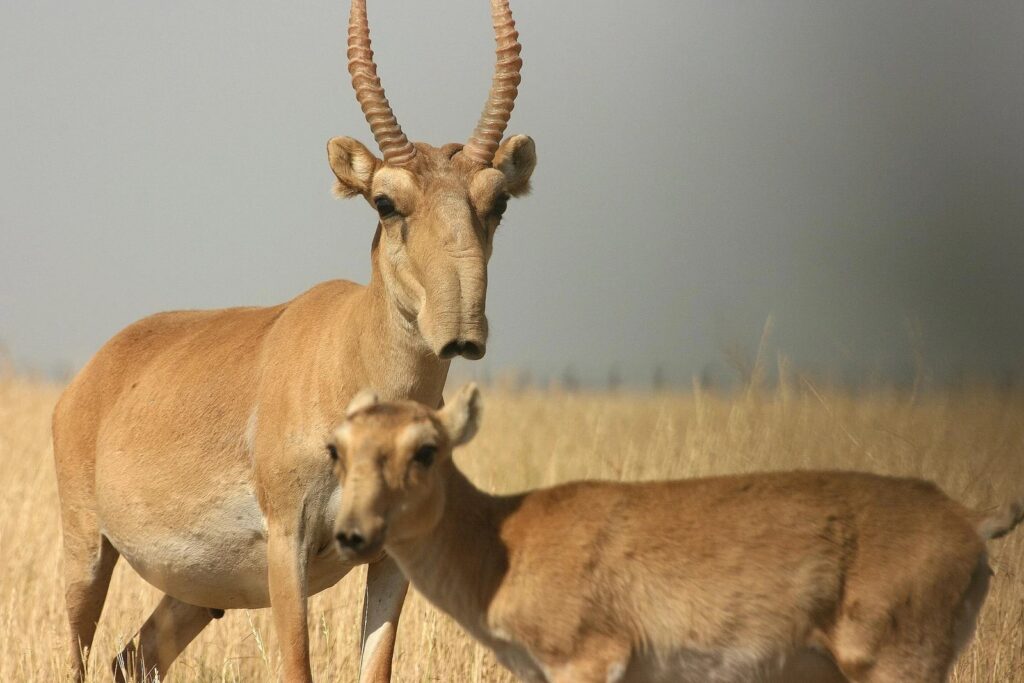
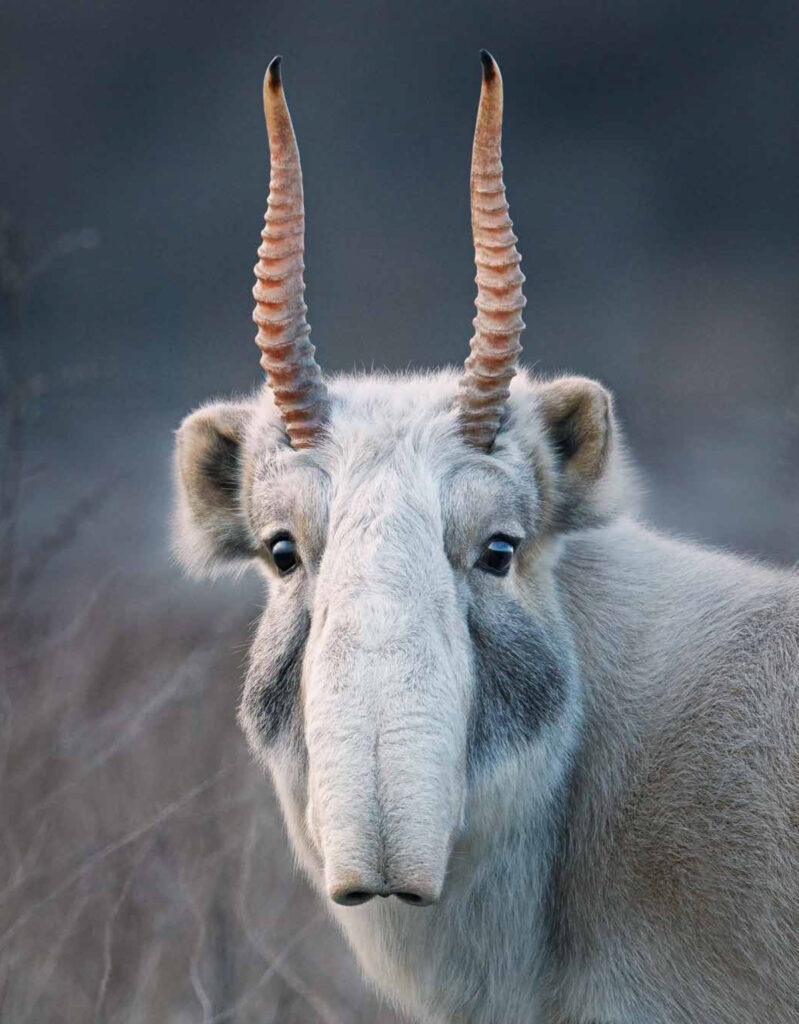
The saiga antelope is a critically endangered antelope that originally inhabited a vast area of the Eurasian steppe zone from the foothills of the Carpathian Mountains, Caucasus and Mongolia. Between 1760-1953, 10 species of saiga antelopes were identified, 9 of them were extinct, and now there are 1 species of 2 subspecies Saiga Antelope is left. Mongolian Saiga is about 63-80cm shoulder height and 23-40kg, which has a stooping body, a large head, a distinctive pendulant proboscides nose, and an unusual style of running. Its skin is a light buff color, which becomes thicker and white in the winter. Males have pale yellowish horns, 28-38cm.
The earliest remains of the Saiga are found in the Middle Pleistocene in Kazakhstan. It has been found that the vast expanses of Eurasia have been around for 100,000 (one hundred thousand) years. Animals such as Mammoth, Giant Rhinoceros, Irish elk, and short-horned bison, which are found together with antelopes, extinct at the end of the late Pleistocene. As of 2010, the global population is thought to be around 50,000 individuals, mostly in Kazakhastan. But only 5000 of them is Mongolian Saiga Antelope. The Mongolian population is found in two remote areas of western Mongolia, mostly within the Sharga Nature Reserve, and Mankhan Nature Reserve.

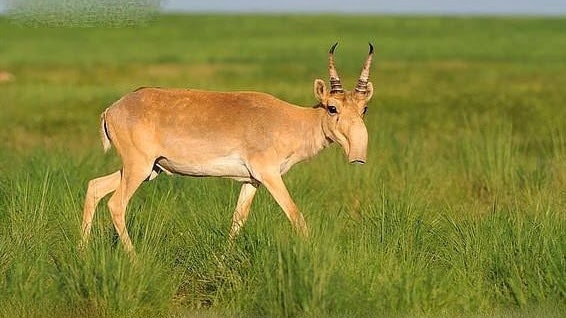
The Saiga Antelope plays an important role in the biocenosis of our Gobi Desert region. Being one of the nodes in the food chain, the lobe has a positive effect on the biodiversity of the flora and fauna. Predatory mammals and birds, such as gray wolves, lynx, eagles and vultures, will immediately catch Mongolian saiga. The carcass is eaten by a large number of scavengers and carrion. This herbivorous animal circulates in the grazing land, thinning the soil, and fertilizing the soil in the Gobi Desert to improve its productivity. The Mongolian Saiga is an important component of the Gobi Desert System and has a significant impact on the survival of flora and fauna.
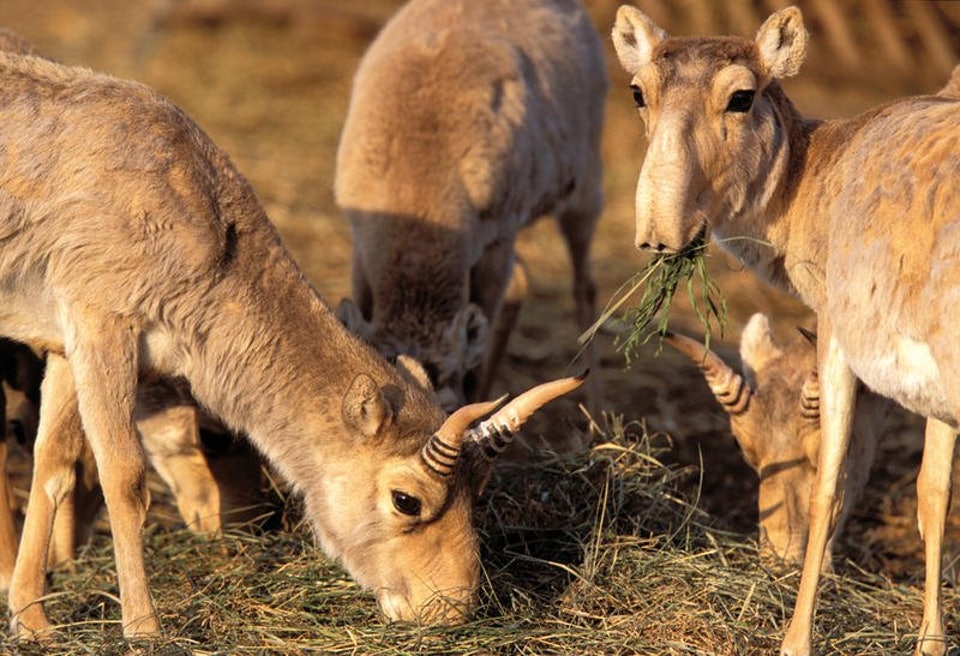
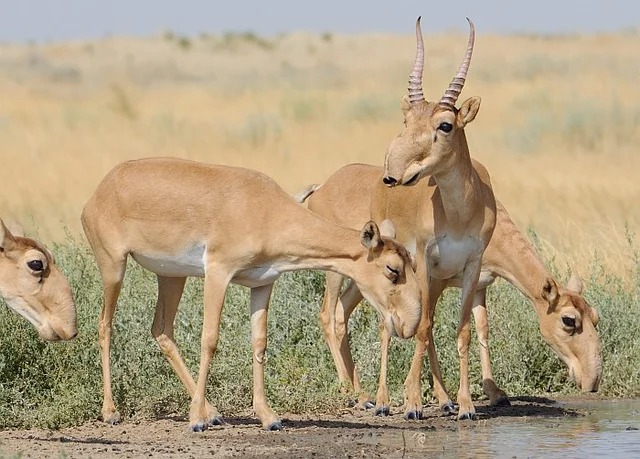
In the far west of the Mongolia will give you the best opportunities to watch and photograph this unique creature and many different stunning animals and natural landscapes.

5 interesting facts about Mongolian Saiga

  1. Mongolian Saiga is on of the most ancient creatures that has been surviving for 100000 years.
  2. Only male Saiga Antelope have horns.
  3. These animals are fastest in Mongolia. Top speed is about 80km
  4. Their inflatable, humped nose which hangs over its mouth and points downwards helps filter out dust kicked up by the herd.
  5. The decline in the saiga antelope population has been identified as one of the fastest populations collapses of large mammals in recent memory.

Saiga Antelope

HabitatGrasslands, semi-desert, woodlands
Location:Russia, Kazakhstan, Mongolia
Lifespan:5 – 12 years
Size:100 – 140 cm (39 – 55 inches)
Weight:25 – 70 kg (57 – 152 lbs)
Color:Sandy, beige, white, brown
Diet:Plants, herbs, shrubs
Predators:Wolves, foxes, feral dogs, birds of prey
Conservation Status:Critically Endangered

Filed Under: Trends Worldwide Tagged With: ancient, antelope, creature, most, saiga, trends, worldwide

Reader Interactions

Leave a Reply Cancel reply

Your email address will not be published. Required fields are marked *

Primary Sidebar

More to See

Heartwarming video shows a tow truck driver rescuing a moose stuck in ice: ‘I can’t stand to see him suffer’

By Stephen King

A “Giant Man” Discovered In The Australian Outback Is Shrouded In Mystery, And It Can Be Seen From Space

By Stephen King

Why is China taking back its giant pandas from the U.S., other countries?

By Stephen King

Tufted Coquette Revived at Asa Wright Nature Preserve

By Stephen King

Cat Turns Into a “Invisible” Spy Under Bath Mats to Watch Over Family

By Stephen King

Exploring the Beauty and Science behind the Perfectly Symmetrical Mushroom Cloud

By Stephen King

The Enduring Image: The 1989 “Tornado Girl” Photo

By Stephen King

Footer

Home and Garden: Timeless Beauty and Smart Investment

Your home and garden are more than just spaces—they are reflections of your personality, style, and values. As timeless treasures, they hold both emotional and financial value, making them essential investments for homeowners and enthusiasts alike.

Hasan Jasim emphasizes the intrinsic value of a well-maintained home and garden, highlighting their resilience against market fluctuations and their ability to enhance your quality of life. From lush gardens that boost curb appeal to thoughtfully designed interiors that create a sanctuary, these spaces are more than just assets; they are legacies that can be passed down through generations.

Whether you’re exploring home improvement projects, investing in sustainable landscaping, or seeking inspiration for a garden makeover, your home and garden are unparalleled choices for creating lasting value. Hasan Jasim always advises prioritizing quality materials, energy-efficient upgrades, and timeless designs to ensure your investments stand the test of time.

Unveil elegance in your home and garden—where beauty meets investment!

Recent

  • Shelter Employee’s Heart Melts When She Catches Two Kittens Holding Paws
  • Pick a flower and discover who loves you
  • Rescuer Drops To The Ground After Finding Someone Wedged Between Trees
  • Female soldier’s horrific death after King Charles performance fuels fresh horse show scrutiny
  • Police Spot Fox Carrying A Mouthful Of Hot Dogs Through Canadian Town
  • Firefighters save 25 million bees after semi breaks down in Parleys Canyon
  • Calls Grow For Elderly Circus Elephant To Be Retired To A Sanctuary

Search

Copyright © 2026 · Magazine Pro on Genesis Framework · WordPress · Log in